The Event
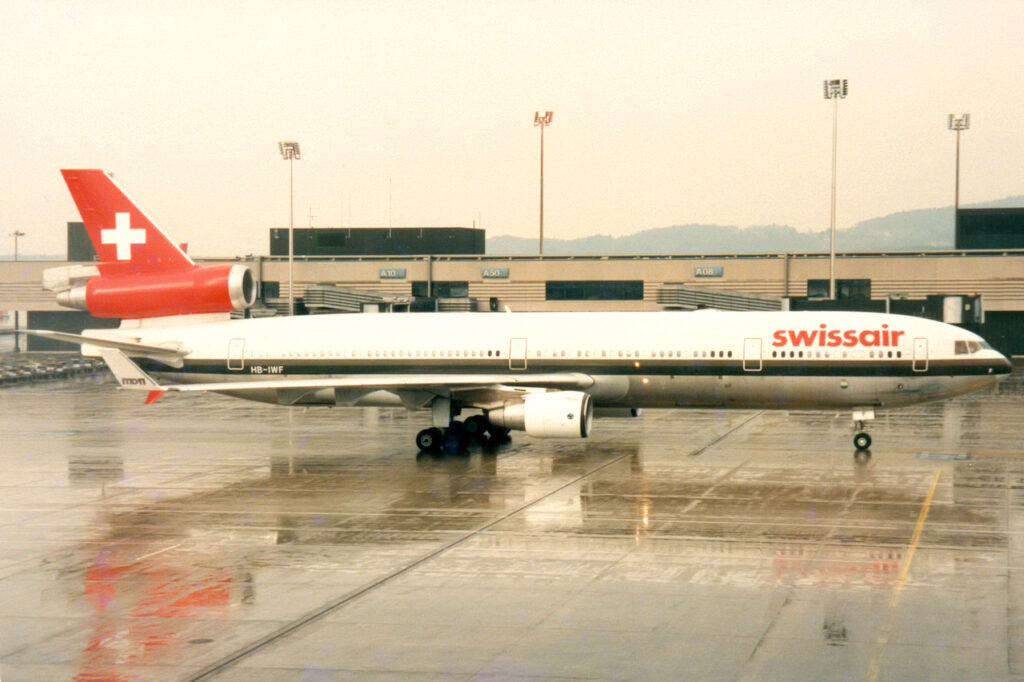
- Swissair 111 departs JFK for Geneva on a routine transatlantic flight
- 43 minutes after departure, crew detects an unusual smell in the cockpit
- PAN PAN declared; diversion to Halifax, Nova Scotia initiated
- An arc fault in the in-flight entertainment (IFE) wiring above the cockpit ignites Mylar-based insulation blankets
- Fire spreads through the overhead area; electrical systems begin to fail progressively
- Crew conducts fuel dump to reduce landing weight for Halifax
- Fire degrades avionics and flight instruments progressively
- Aircraft enters the sea 15 km short of Halifax runway — 229 people die
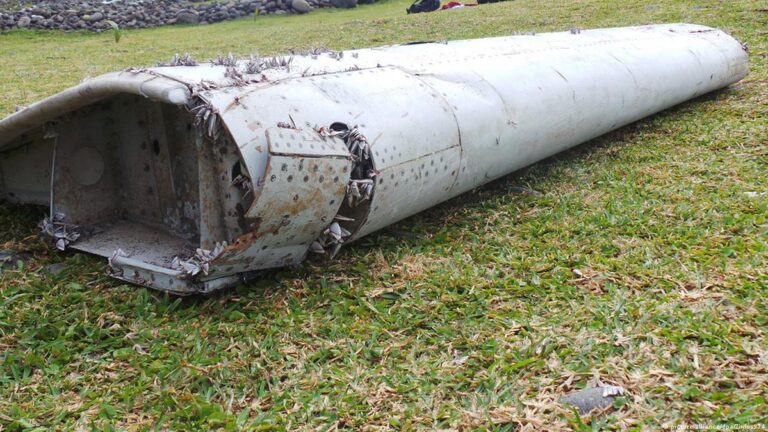
- Post-accident investigation recovers the aircraft over four years; full failure sequence is reconstructed
The decision to conduct a fuel dump extended the time to landing. Investigation analysis suggested that had the crew landed at Halifax without dumping, the outcome might have been survivable. The crew had no information to suggest the situation was this time-critical.
Systems Engineering Perspective
From a systems engineering perspective, Swissair 111 exposes a certification gap that had been hidden in plain sight: the installed-assembly versus component testing problem. Materials and components were tested and certified individually. Their behaviour when installed in proximity to other materials, in enclosed spaces, under bundled-wiring arc fault conditions, was not tested.
Component certification that does not represent the installed condition is not certification of the installed condition. It is certification of a laboratory specimen.
The Certification Gap — Individual Component vs Installed Assembly
The Mylar-based thermal acoustic insulation blankets installed in the overhead area of the MD-11 had been individually tested for flammability and had passed. When tested as a single layer in standard conditions, the material met the regulatory standard. When installed as part of an assembly — in contact with other materials, in an enclosed overhead space, under the heat generated by an arc fault — it burned.
The certification test did not represent the installed condition. This is not a new problem in engineering — it is one of the most common sources of certification failure. A component that behaves acceptably in isolation may behave catastrophically in a system. Testing must represent the system, not just the component.
The difference between passing a component test and surviving an installed-assembly arc fault can be the difference between a certification standard and a fatal fire.
Arc Fault Detection — An Absent Protection
The IFE system’s wiring circuits used standard overcurrent protection — circuit breakers that trip when sustained current exceeds a threshold. Arc faults are characterised by intermittent, high-energy discharges that do not produce sustained overcurrent at the circuit breaker level. They generate enormous heat while remaining below the threshold that would trip the protective device.
The system was designed without arc fault protection because arc fault circuit interrupter (AFCI) technology was not widely available or mandated for aircraft applications. The protection technology was absent. The hazard was not.
Circuit breakers protect against overcurrent. Arc faults are not overcurrent events. A circuit breaker does not protect against an arc fault.
Time-Critical Emergency With Time-Consuming Procedures
The crew executed the smoke and fire checklists with discipline. The checklists were thorough. The fire was faster. The mismatch between checklist completion time and fire propagation rate meant that the crew was falling progressively behind the emergency as they worked through the procedure. By the time they had completed the relevant checklist items, the situation they were addressing had already advanced beyond what those items could address.
Human Factors Perspective
The human factors analysis of Swissair 111 is primarily a story of professional excellence in the face of a system failure that had already progressed beyond recovery. The crew’s actions were textbook. The system had already failed them before the first smoke indication appeared on the flight deck.
Professional Excellence in Extreme Conditions
The crew of Swissair 111 flew their aircraft into the sea while following every relevant procedure correctly. Their communication was clear, their task allocation was appropriate, their decision-making was rational under the information available to them. The crew did not fail the aircraft. The aircraft’s design — specifically its wiring installation and the absence of arc fault protection — failed the crew.
This is the most important human factors finding in this case: perfect crew performance and 229 fatalities. The outcome was not determined in the cockpit. It was determined on the production line of every aircraft on which these wiring standards were installed.
Crew excellence is a necessary but insufficient safety condition when the system they are flying contains an undetected fatal flaw. Swissair 111 is the proof.
Time Pressure and the Decision to Dump Fuel
The decision to dump fuel was procedurally and operationally correct under normal assumptions — landing an overweight aircraft without structural cause would risk gear failure and runway overrun. The crew had no information suggesting the fire was expanding at a rate that would preclude a landing within their available time.
This is the information asymmetry of progressive system failure: the crew’s decisions were calibrated to the situation as they understood it. The situation was evolving faster than their information reflected.
System Interaction Breakdown
1. Test Standard Did Not Represent Installed Condition
The Mylar insulation passed its individual component test. It did not represent its installed behaviour. The test was the wrong test for the installed condition.
Certification tests must be designed for the worst-case installed scenario, not the best-case laboratory specimen.
2. Arc Fault Generates Heat Below Breaker Threshold
The arc fault in the IFE wiring generated heat that propagated the fire while remaining below the circuit breaker trip threshold. The protection system was blind to the failure mode.
3. Fire Propagation Exceeded Checklist Response Rate
The fire spread faster than the crew could address it through available procedures. The mismatch between emergency timeline and procedural response time was fatal.
An emergency that progresses faster than the available response procedures is an emergency for which the procedures are insufficient.
Significance in Aviation Risk
1. Installed Assembly Testing Mandated
Post-Swissair 111, flammability testing requirements were revised to require testing of materials in their installed assembly configuration, not just in individual component isolation.
2. AFCI Technology Developed and Mandated
Arc fault circuit interrupter technology was developed and mandated for aircraft IFE wiring systems — providing protection against the specific electrical fault mode that killed Swissair 111.
3. In-Flight Fire Priority — Land Immediately
Crew procedures for in-flight fire were revised to emphasise immediate landing over checklist completion. The principle of ‘land as soon as possible’ took precedence over ‘complete all relevant checklist items before landing.’
Related Aviation Risk Lab Content
Pillar Pages
Systems Engineering: Systems Engineering
Design and Certification: Design And Certification
Human Factors: Human Factors
Related Case Studies
Case Study 13: TWA 800 — The Fuel Tank That Sparked: Twa 800
Case Study 17: ValuJet 592 — The Oxygen Generators in the Hold: Valujet 592
Case Study 42: China Airlines 120 — The Fuel Leak: China Airlines 120
Closing Perspective
Swissair 111 forced the aviation industry to confront the difference between certification by component and certification by installation. The Mylar insulation was certified. The installed wiring assembly was not. The fire that resulted was not a failure of compliance with standards — it was a failure of the standards themselves to represent the actual operational environment.
The arc fault protection technology now mandated in IFE wiring systems, the revision of flammability testing to assembly-level standards, and the revision of in-flight fire procedures to prioritise immediate landing over checklist completion are the direct legacies of 229 deaths over the North Atlantic.
The crew of Swissair 111 did everything right. The system they were flying in did not.
Swissair 111 is the case that changed how aviation certifies wiring assemblies. The difference between ‘the component passed the test’ and ‘the installation would survive the fire’ is the difference this accident made.