Systems Engineering

Non-Linear Systems in Aviation: Why Small Failures Can Lead to Major Outcomes

Aviation systems do not always behave in predictable, proportional ways. Small changes or failures can produce disproportionately large outcomes. This is known as non-linear system behaviour. Understanding this is critical to understanding why aviation accidents cannot be explained through simple cause-and-effect reasoning.   What is Non-Linear Behaviour? In linear systems: input and output are proportional […]

System State Awareness in Aviation: Understanding Aircraft Behaviour in Complex Systems

System state awareness refers to the ability of pilots and operators to accurately understand what an aircraft system is doing at any given time. In modern aviation, this is increasingly difficult due to automation, system complexity, and indirect control. Pilots are no longer directly controlling aircraft in many situations—they are managing systems that control the

Leading and Lagging Indicators in Aviation Safety: Measuring Risk Before and After Failure

Aviation safety relies on measurement—but not all safety metrics are equal. Indicators are typically divided into: lagging indicators (after events occur) leading indicators (before events occur) Understanding the difference is essential for managing risk proactively.   Lagging Indicators Lagging indicators measure outcomes that have already occurred, such as: accidents incidents safety reports They are useful

Failure Propagation in Aviation: How System Coupling Turns Small Faults into Complex Events

In aviation systems, failures rarely remain isolated. A single technical fault can remain contained—or it can spread across multiple subsystems, creating unexpected and sometimes severe operational consequences. This process is known as failure propagation through system coupling. It is one of the most important concepts in understanding modern aviation risk, because it explains why accidents

Interaction Effects in Aviation Systems

Most aviation systems are designed around the assumption that components can be understood individually. Engines, sensors, procedures, human operators, and automation are often analysed as separate elements. But in real operations, systems rarely behave in isolation. They interact. And it is these interactions—not individual components—that often determine outcomes. This is known as interaction effects.  

System-Level Failure Emergence

Most aviation accidents are not caused by a single component failing. They occur when multiple parts of a system interact in ways that were not fully anticipated during design or operation. This is known as system-level failure emergence. It describes the point where individual conditions—each manageable on their own—combine to produce an outcome that is

sammy sander detective 6677956

Accident Investigations Focus on the Final Cause Instead of System Failures

There is a very natural tendency in how we interpret accidents, incidents, and failures: we look for the moment where everything finally went wrong, and we anchor the explanation there because it gives us something clear, simple, and actionable. In aviation, engineering, healthcare, and even everyday life, that final moment often becomes the headline of

independece

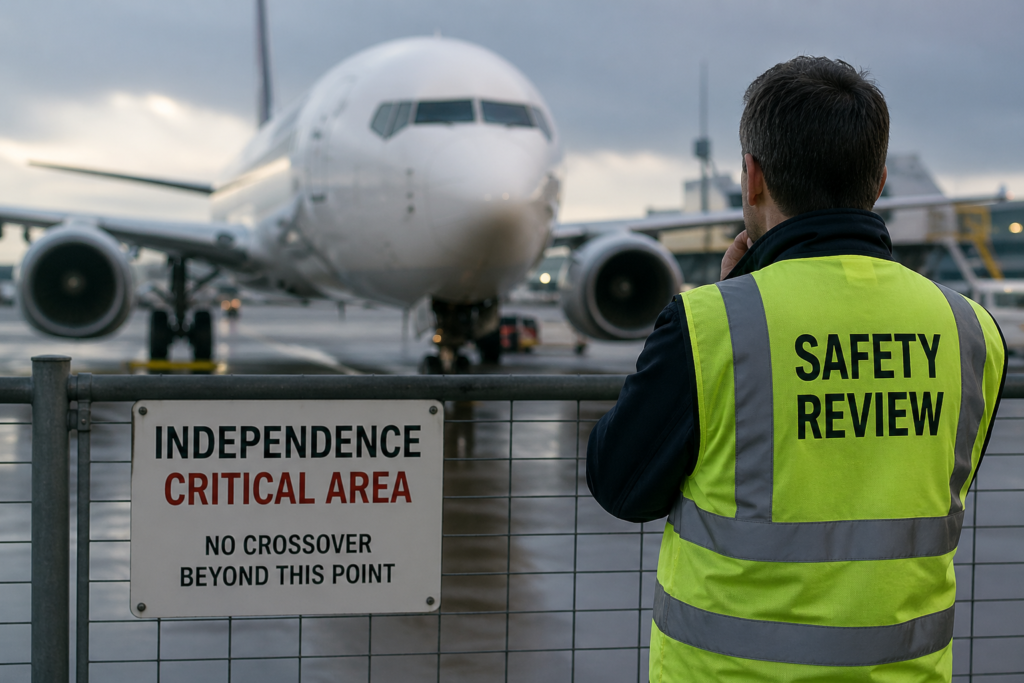
When “Independent” Stops Being Independent

In aviation safety systems, independence is one of those concepts that is always present, always referenced, and almost never as clean in practice as it appears on paper, particularly when you look across regulatory systems such as the Federal Aviation Administration, the European Union Aviation Safety Agency, the Civil Aviation Authority, the Civil Aviation Safety

blance

When “Grossly Disproportionate” No Longer Reflects Risk

There is a line that sits quietly behind most safety decisions, usually referenced without much discussion, coming from the Work Health and Safety Act 2011, which says that cost can only be considered after risk, and even then only where it is grossly disproportionate. On paper, that aligns neatly with how certification activities are supposed

rp cover what is a risk assessment matrix 1 scaled

Risk Assessments Don’t Make Systems Safe

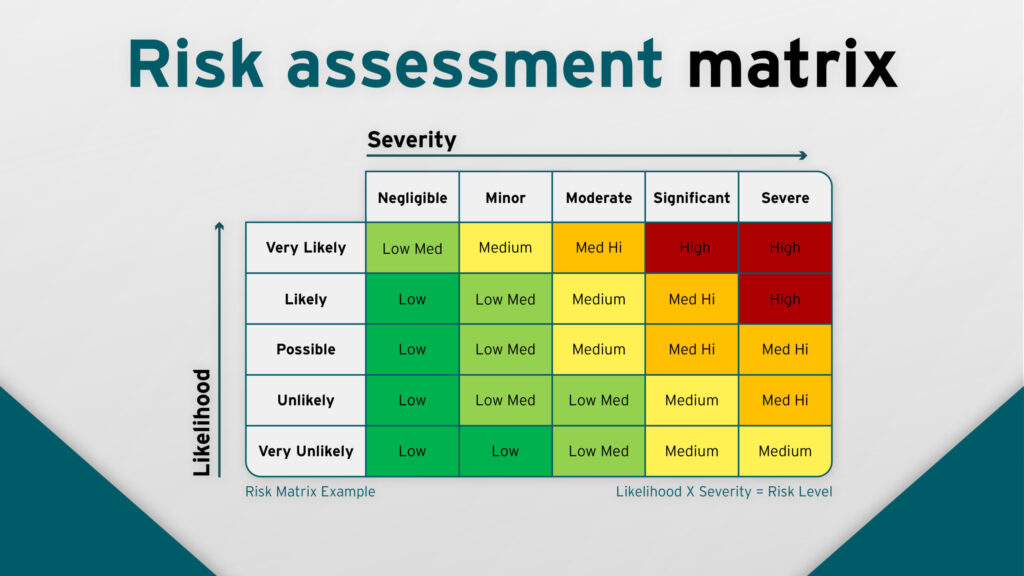
Risk assessments are everywhere in aviation. Before a change. After an incident. During design. During operations. During audits. We fill in the tables. We assign severity and likelihood. We land somewhere in the matrix. Maybe we add a mitigation or two. And then there’s this quiet, unspoken feeling: “ok, we’ve assessed the risk—so we’re good.”