
sammy sander detective 6677956

Accident Investigations Focus on the Final Cause Instead of System Failures

There is a very natural tendency in how we interpret accidents, incidents, and failures: we look for the moment where everything finally went wrong, and we anchor the explanation there because it gives us something clear, simple, and actionable. In aviation, engineering, healthcare, and even everyday life, that final moment often becomes the headline of […]
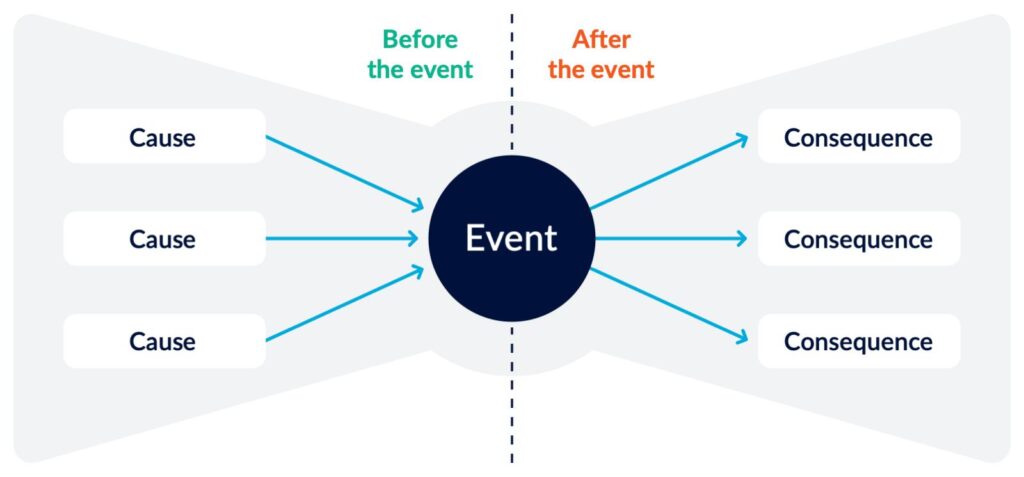
bowtieavi

Mitigations Are Not Solutions

There is a point in most safety assessments where the conversation shifts, almost subconsciously, from understanding the problem to feeling like it has been solved, and that point usually arrives the moment someone says, “we have mitigations in place.” It sounds reassuring, and in many cases it is, but it can also be slightly misleading

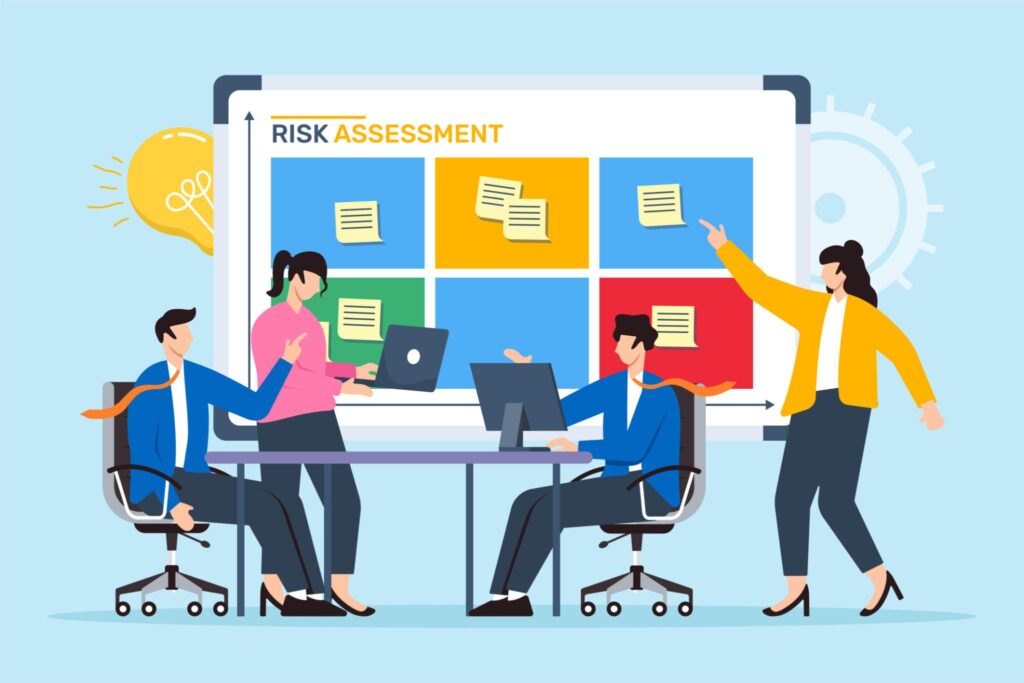
riskasssessment

From Hazards to Risk: The Basics of Risk Understanding

If you spend any amount of time around safety engineering, you will hear the same words repeated over and over again—hazard, risk, severity, likelihood—to the point where they start to feel almost interchangeable, as though everyone shares the same understanding simply because the terminology is familiar. The reality is a bit less tidy than that.

software

Software vs Hardware: Assurance Levels Explained

There was a time when most aviation safety discussions were grounded firmly in the physical world, where structures, engines, and mechanical systems dominated the conversation, and where failure could be understood through deformation, fracture, or wear, all of which followed patterns that engineers had spent decades learning to predict and manage. Software, by contrast, existed

independece

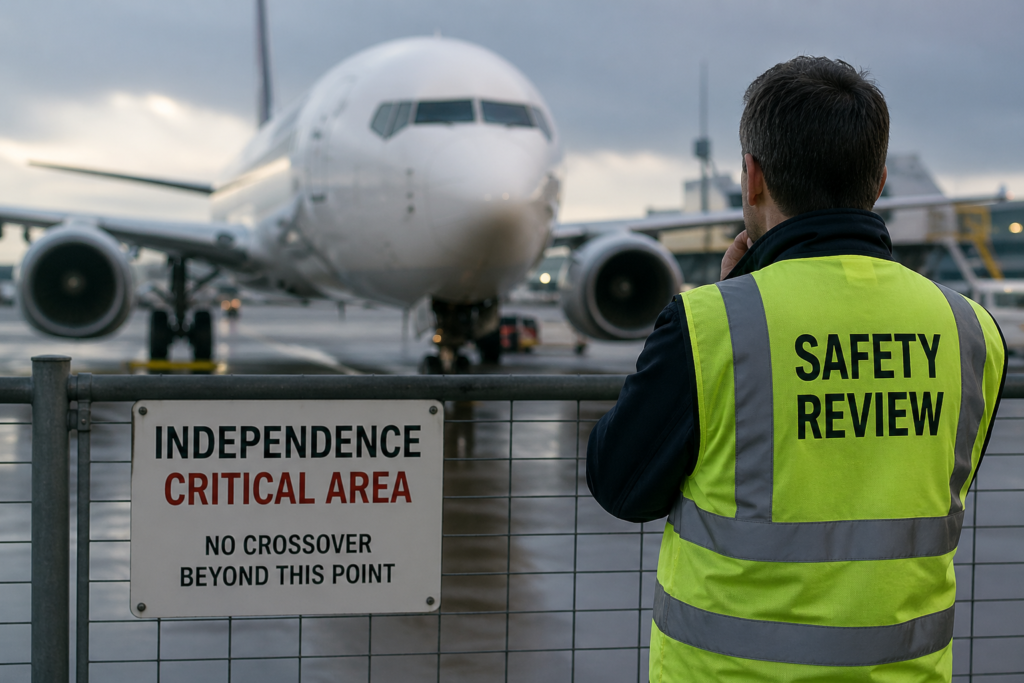
When “Independent” Stops Being Independent

In aviation safety systems, independence is one of those concepts that is always present, always referenced, and almost never as clean in practice as it appears on paper, particularly when you look across regulatory systems such as the Federal Aviation Administration, the European Union Aviation Safety Agency, the Civil Aviation Authority, the Civil Aviation Safety

blance

When “Grossly Disproportionate” No Longer Reflects Risk

There is a line that sits quietly behind most safety decisions, usually referenced without much discussion, coming from the Work Health and Safety Act 2011, which says that cost can only be considered after risk, and even then only where it is grossly disproportionate. On paper, that aligns neatly with how certification activities are supposed

airtranj

Air Transat 236: The Flight That Shouldn’t Have Turned Around

There are certain aviation events that feel almost implausible when you first hear them, not because they involve dramatic explosions or catastrophic structural failures, but precisely because they unfold so quietly and progressively that, at each individual step, nothing appears obviously wrong. This is one of those cases. An Airbus A330, a modern long-haul aircraft

46 43522449 1536x864

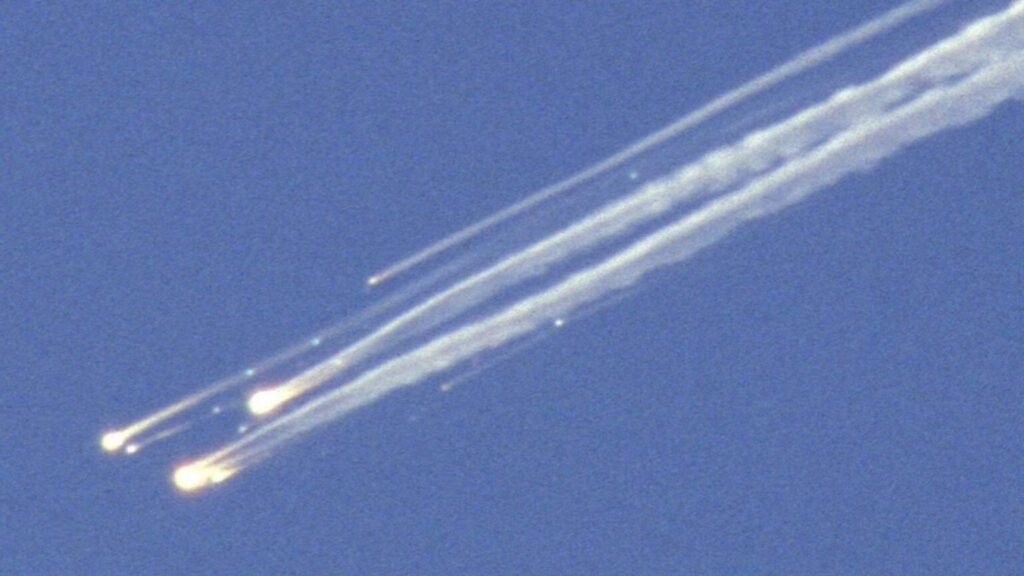
The Columbia Accident: When Uncertainty Becomes the Decision

Some accidents are caused by failures. Others are caused by something more subtle: uncertainty that is recognised… but not fully acted on. The loss of the Space Shuttle Columbia in 2003 is one of the clearest examples of this. Not because engineers didn’t see the problem. But because the system didn’t quite know what to

rp cover what is a risk assessment matrix 1 scaled

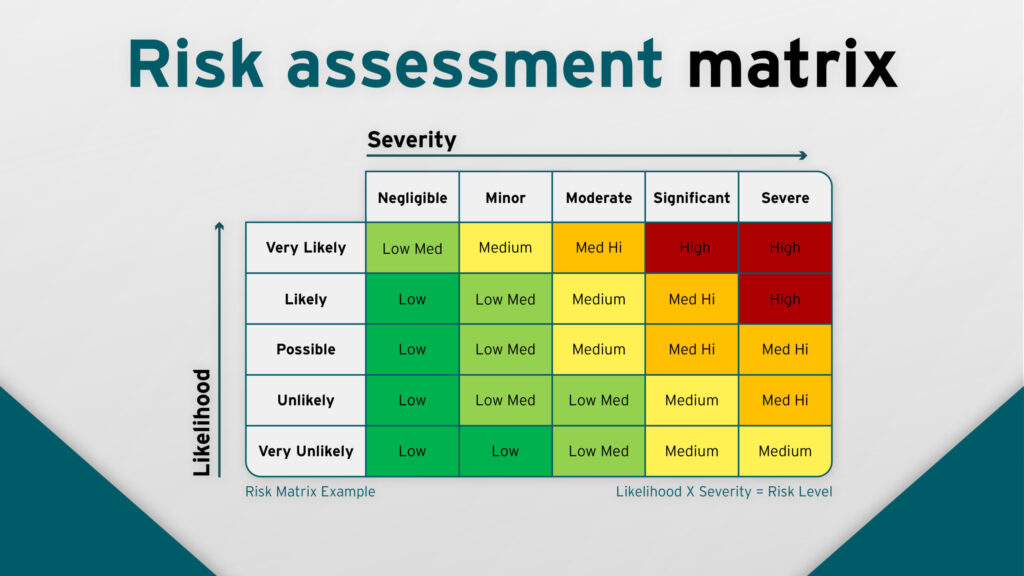
Risk Assessments Don’t Make Systems Safe

Risk assessments are everywhere in aviation. Before a change. After an incident. During design. During operations. During audits. We fill in the tables. We assign severity and likelihood. We land somewhere in the matrix. Maybe we add a mitigation or two. And then there’s this quiet, unspoken feeling: “ok, we’ve assessed the risk—so we’re good.”

uber crash

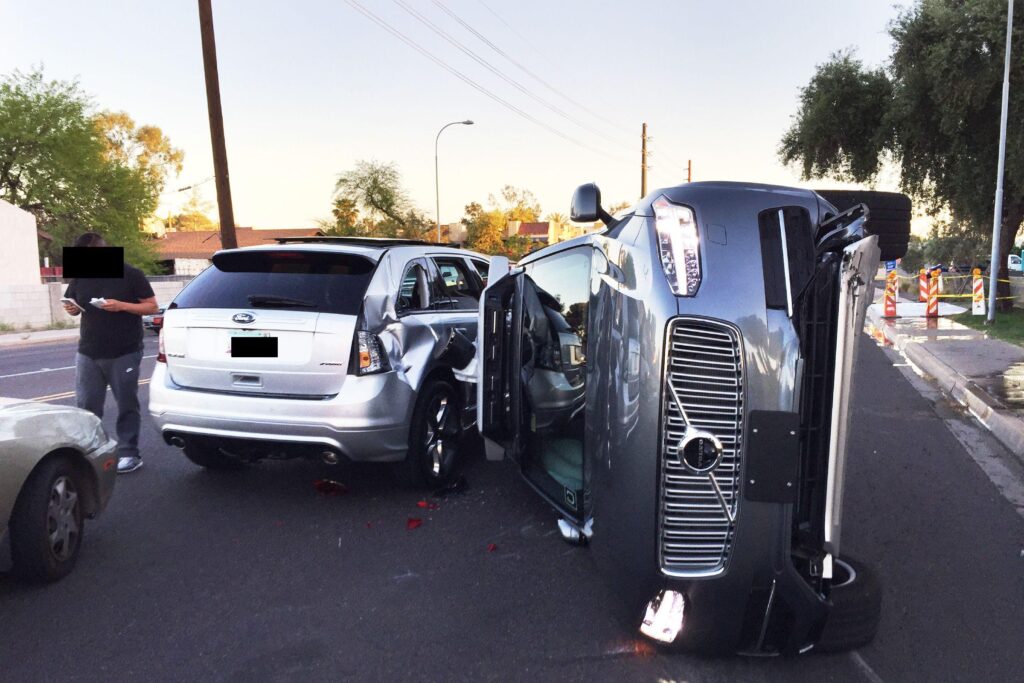
Uber Autonomous Crash: Seeing vs Understanding

This is not an aviation accident case, but it is closely related to autonomous aviation systems and the same safety engineering principles that underpin modern flight operations. In particular, it sits in the same space as highly automated aviation systems where perception, decision-making, and human oversight are distributed across multiple layers of control.   A