Ensure vs Assure: The Real Regulatory Split in Aviation Safety

casa

One of the most important—but often misunderstood—distinctions in aviation safety engineering is the difference between ensuring safety and assuring safety.

The language matters because it reflects a deeper truth about how safety is actually distributed across the system.


1. Organisations ensure safety

Operators, designers, maintainers, and manufacturers are responsible for creating and maintaining safety within the system.

They ensure safety by:

  • Designing safe systems and architectures
  • Performing hazard analyses (FHA, FMEA, SSA, etc.)
  • Implementing mitigations and controls
  • Training personnel and defining procedures
  • Maintaining aircraft and systems within approved limits
  • Managing operational risk day-to-day

In short:

Organisations actively build and maintain safety into the system they operate.

They are inside the system boundary. Safety is part of their engineering and operational responsibility.


2. Regulators assure safety

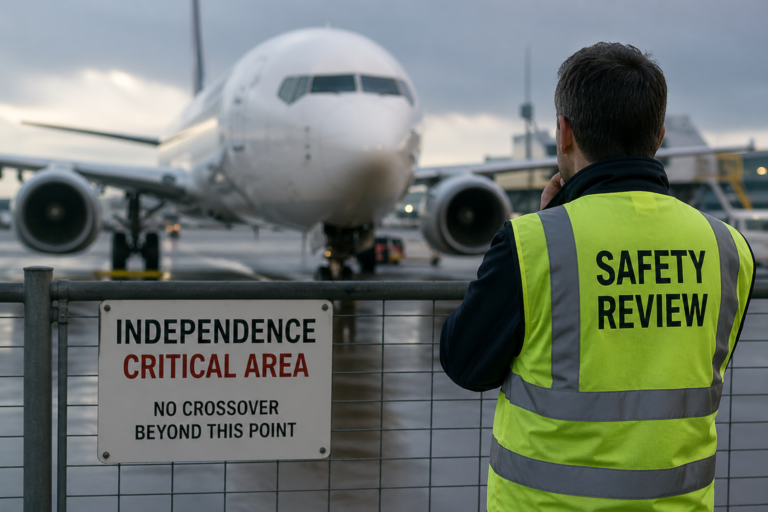
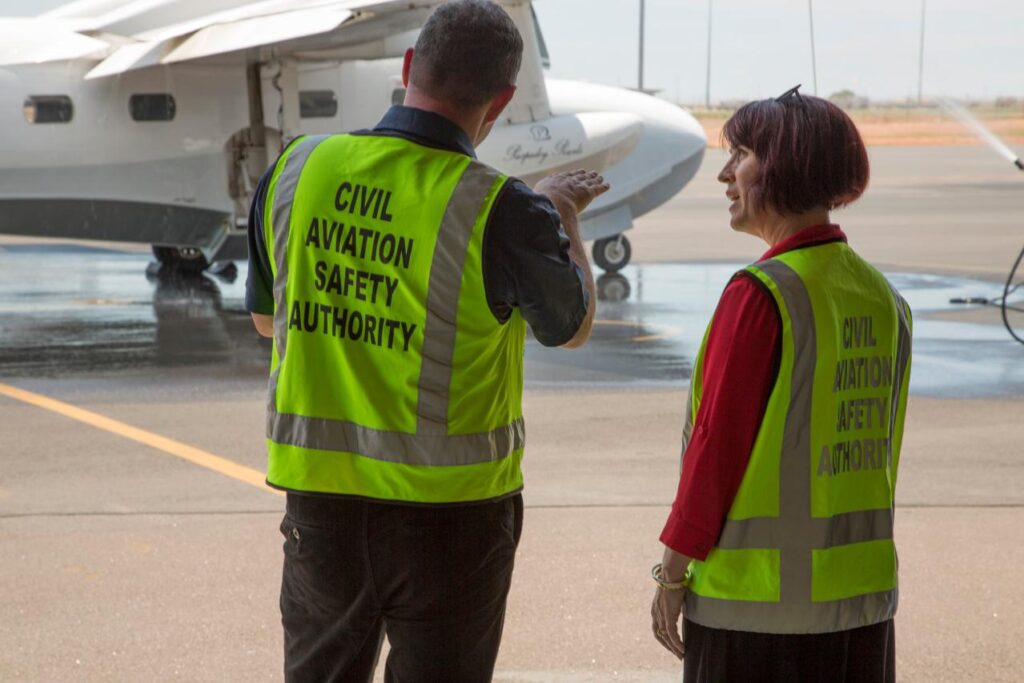
Regulators do not design or operate the system. Their role is independent oversight.

Authorities such as:

  • Civil Aviation Safety Authority
  • Federal Aviation Administration
  • Defence Aviation Safety Authority
  • European Union Aviation Safety Agency
  • UK Civil Aviation Authority
  • Transport Canada Civil Aviation
  • International Civil Aviation Organization

exist to provide independent assurance that organisations are meeting acceptable safety standards.

They assure safety by:

  • Setting regulatory frameworks and certification standards
  • Approving designs, organisations, and procedures
  • Auditing compliance and safety management systems
  • Conducting surveillance and inspections
  • Investigating incidents and systemic failures
  • Enforcing corrective actions where required

In short:

Regulators do not make systems safe—they verify that safety has been engineered and maintained correctly.

They sit outside the system boundary.


3. Why this distinction matters

Confusing “ensure” and “assure” leads to a subtle but serious problem:

  • If regulators are expected to ensure safety, they become operationally responsible for design decisions they do not control.
  • If organisations assume regulators ensure safety, internal responsibility weakens.

The aviation system only works when responsibility is correctly distributed:

  • Operators ensure
  • Regulators assure

This separation is deliberate. It prevents single-point failure in governance.


4. Assurance is not approval

A common misconception is that regulatory approval means a system is “safe.”

It does not.

Approval means:

  • The system meets defined certification criteria
  • The organisation has demonstrated compliance
  • The safety case is acceptable within the regulatory framework

It does not mean:

  • The system is risk-free
  • No failure will occur
  • All hazards have been eliminated

Regulators are not certifying perfection—they are validating acceptable risk management.


5. Safety is distributed, not delegated

A healthy aviation system distributes safety responsibility across multiple layers:

  • Engineers design safe functions and architectures
  • Operators maintain safe day-to-day operation
  • Safety teams analyse, monitor, and improve system behaviour
  • Regulators independently verify that controls are working

No single layer owns “safety” in isolation.

Instead:

Safety is produced by organisations and independently verified by regulators.


Closing thought

The difference between ensure and assure is not semantic—it defines the structure of aviation safety itself.

One builds safety into the system.
The other checks that it has been built correctly.

Both are essential. Neither is sufficient alone.

Related Posts