The Event
- The G-73T Mallard has been in continuous seaplane service since its manufacture in 1947
- The aircraft operates Miami-Bahamas routes, making multiple daily seawater landings and departures
- A weld repair exists in the right wing spar lower cap from previous maintenance
- No enhanced fatigue monitoring program covers the weld repair site
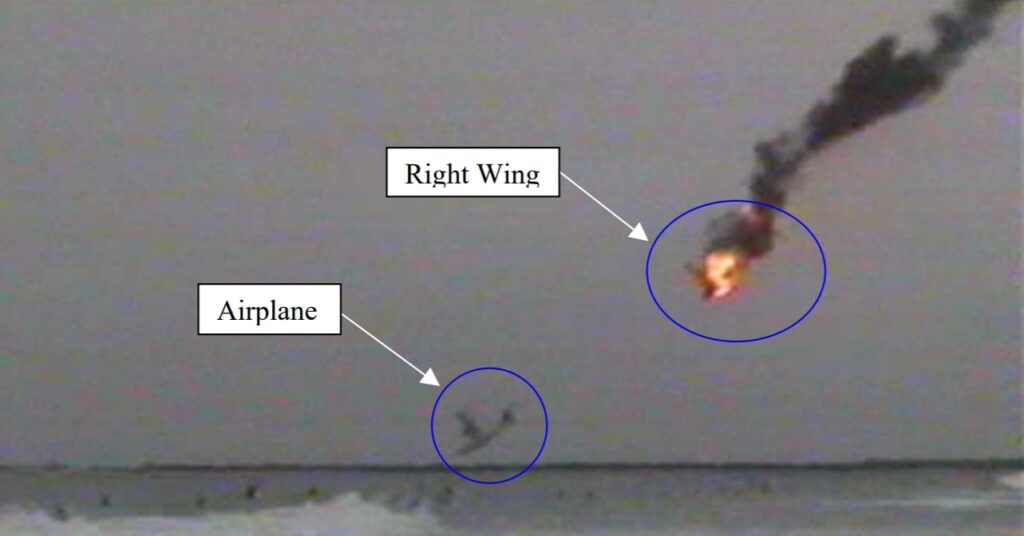
- 19 December 2005: During climbout from Watson Island, the right wing separates at the root
- The aircraft rolls inverted and impacts Biscayne Bay at high speed
- All 20 die; no survivors
The G-73T had no Supplemental Inspection Document — a document that provides enhanced inspection guidance for ageing aircraft — because such documents were mandated only for larger transport category aircraft. The regulatory framework had not caught up with the ageing of smaller aircraft types.
Systems Engineering Perspective
From a systems engineering perspective, Chalk’s 101 demonstrates the gap between the regulatory ageing aircraft framework of 2005 — calibrated for large transport aircraft — and the actual structural life management needs of a 58-year-old seaplane operated in one of the most corrosive environments available.
Ageing aircraft structural management requirements must be calibrated to the actual operating environment and structural age of each aircraft type — not derived from frameworks designed for different aircraft in different environments.
The Missing SID
Supplemental Inspection Documents for small transport category aircraft did not exist in 2005. The G-73T’s maintenance programme was based on manufacturer documentation from 1947. The weld repair in the wing spar had no enhanced inspection requirement.
An aircraft 58 years old operating in salt air and thermal cycling does not have the same structural life as an aircraft 5 years old in controlled conditions. The maintenance programme must reflect this.
Weld Repair as Fatigue Initiator
Weld repairs in aluminium structure create heat-affected zones with different material properties from the parent material. These zones can be fatigue initiation sites under cyclic loading. The weld repair in the wing spar required specific, enhanced fatigue inspection that was not part of the maintenance programme.
Environmental Degradation Factor
Salt water contact, high-temperature cycling, and the impact loads of seawater landings accelerate structural degradation at a rate significantly higher than land-based aircraft. The maintenance intervals had not been adjusted for this environment.
Human Factors Perspective
The human factors analysis centres on the regulatory and organisational failure to adapt the maintenance programme to the actual operating environment and structural age of this specific aircraft.
Regulatory Framework Gap
The SID requirement had not been extended to small transport category aircraft. The aircraft was legally operating under a maintenance programme that was structurally inadequate for its age and environment. This was a regulatory gap, not an operator deviation.
A regulatory framework that does not cover a class of aircraft does not make those aircraft safe — it leaves them in a gap.
Ageing Aircraft Culture
Chalk’s operated the same aircraft types over decades. The familiarity and institutional knowledge this creates can produce normalisation of visible ageing signs that should be treated as warning indicators, not background noise.
System Interaction Breakdown
1. No SID for Type
No Supplemental Inspection Document existed for the G-73T — no enhanced inspection requirements calibrated for age and environment.
2. Weld Repair Without Enhanced Monitoring
The fatigue-critical weld repair had no specific, cycle-based inspection requirement.
3. Salt-Air Environment Accelerating Degradation
The seaplane operating environment produced structural degradation at a rate no 1947 maintenance programme was designed to address.
Significance in Aviation Risk
1. SID Extended to Smaller Aircraft
The FAA extended Supplemental Inspection Document requirements to smaller transport category aircraft following Chalk’s 101.
2. Weld Repair Enhanced Inspection
Weld repairs in fatigue-critical structural members were required to receive enhanced, cycle-based NDT inspection.
3. Environmental Factor in Maintenance Planning
Operating environment — particularly corrosive marine environments — was required to be factored into structural inspection interval determination.
Related Aviation Risk Lab Content
Pillar Pages
Maintenance and Airworthiness: Maintenance And Airworthiness
Systems Engineering: Systems Engineering
Design and Certification: Design And Certification
Related Case Studies
Case Study 7: Aloha Airlines 243 — The Fuselage That Flew Apart: Aloha 243
Case Study 9: Japan Airlines 123 — The Bulkhead: Jal 123
Case Study 39: China Airlines 611 — The Repair That Held: China Airlines 611
Closing Perspective
Chalk’s Ocean Airways 101 is the case that closed the regulatory gap for small transport category ageing aircraft. The SID requirement extended to these aircraft after the accident, providing the enhanced inspection framework that the G-73T needed and did not have.
A 58-year-old aircraft can operate safely. It requires a maintenance programme designed for a 58-year-old aircraft in its specific operating environment — not the original 1947 documentation with cosmetic updates.
Chalk’s 101 proved that ageing aircraft management must cover every aircraft type that ages — not just the large ones that attracted regulatory attention first.