
Human Factors

Safety Culture in Aviation: How Organisational Behaviour Influences Risk and Performance

Safety culture in aviation refers to the shared values, beliefs, and behaviours that influence how safety is prioritised and managed within an organisation. It determines how decisions are made under pressure, how risks are communicated, and how deviations from expected performance are handled. Safety culture is not a policy—it is how the system behaves in […]
Normalisation of Deviance

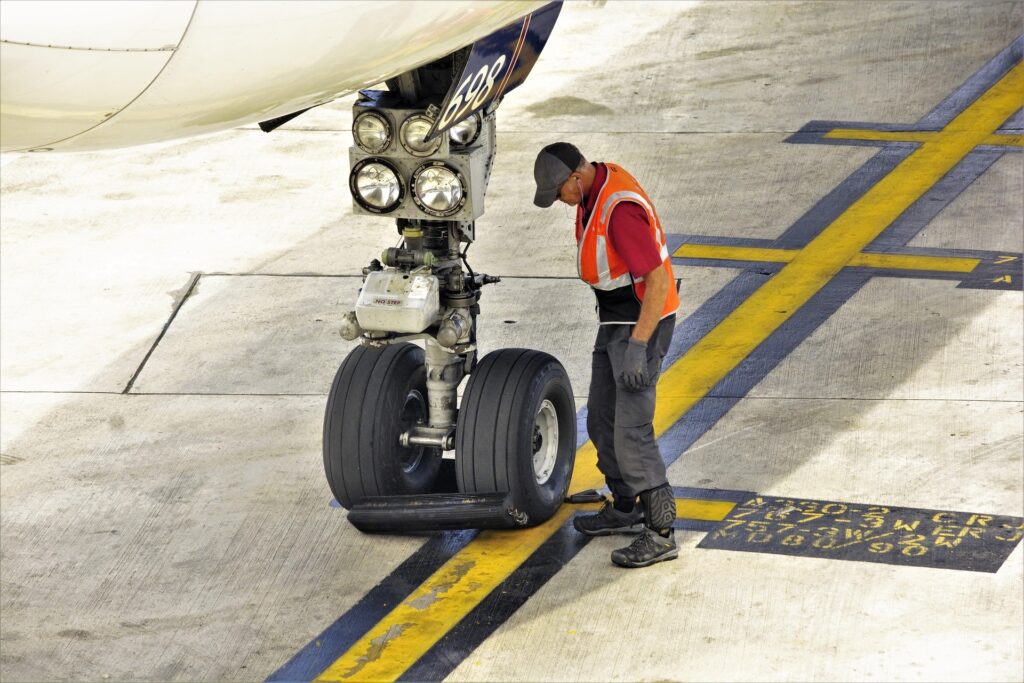
Normalisation of deviance describes the process by which deviations from expected standards gradually become accepted as normal operational behaviour. In aviation, this does not happen through deliberate risk-taking. It emerges when small departures from procedures or design assumptions occur without immediate negative consequences. Over time, these deviations are repeated, accepted, and embedded into routine operations.

Decision-Making Under Stress in Aviation: How Time Pressure and Uncertainty Affect Pilot Performance

Decision-making under stress is a central concept in aviation human factors. It describes how pilots and crew make operational decisions when time is limited, information is incomplete, and consequences are high. In normal conditions, decision-making is structured, procedural, and deliberate. Under stress, however, cognitive processing changes. Attention narrows, working memory is reduced, and reliance on

Risk Accumulation in Aviation

Most aviation accidents are not the result of a single failure. They are the result of multiple small factors aligning over time. Individually, these factors may appear manageable. Together, they can create conditions where safety margins gradually disappear. This process is known as risk accumulation. It is one of the most important—but least visible—concepts in

Fatigue in Aviation: The Invisible Risk Factor

Fatigue is one of the most persistent risks in aviation—and one of the least visible. Unlike mechanical failures or system alerts, fatigue does not present itself clearly. There are no warning lights, no system messages, no immediate indicators that performance is degrading. And yet, its effects can be just as significant. Fatigue in aviation is

Situational Awareness in Aviation

  Situational awareness is one of the most frequently referenced concepts in aviation safety. It is often cited in accident reports and operational briefings, particularly in detailed aviation accident case studies, where breakdowns in awareness are analysed in context. And yet, it is rarely defined in a way that fully explains how it works—or why

Why Checklists Don’t Always Prevent Accidents

Checklists are one of the most fundamental safety tools in aviation. They standardise actions, reduce reliance on memory, and provide a structured way to manage both normal and abnormal situations. In many cases, they work exactly as intended. But not always. Despite their widespread use, accidents still occur in environments where checklists are present, available,

Automation Dependency in Modern Aircraft: When Help Becomes Reliance

Modern aircraft are highly automated. From flight management systems to autopilot modes, much of the routine workload in aviation is now handled by machines. This has improved efficiency, reduced manual workload, and contributed to overall safety. But there is a trade-off. As automation takes over more functions, pilots interact with the aircraft differently. They are

Cognitive Overload in Cockpits

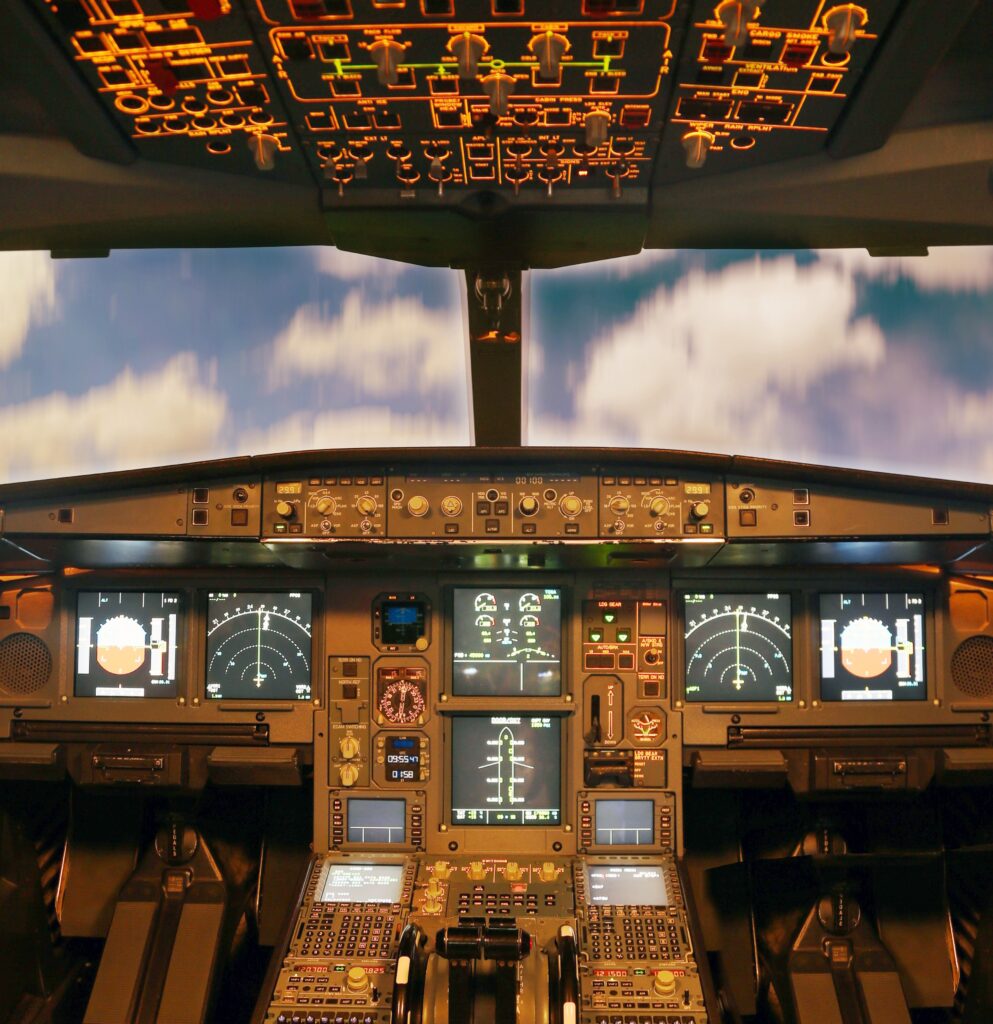
Modern cockpits are designed to provide pilots with more information than ever before. Flight data, system status, navigation inputs, automation modes, warnings—everything is available, often in real time. On paper, more information should mean better decisions. In reality, there is a limit. When that limit is exceeded, performance doesn’t improve. It degrades. This is where

Pilot Error vs System Design: Who Is Really Responsible?

When an aviation incident occurs, the explanation often appears quickly: “Pilot error.” It is a familiar conclusion. It is also an incomplete one. In modern aviation systems, outcomes are rarely the result of a single decision made in isolation. They emerge from the interaction between human operators and the systems they are placed inside. The