When an aviation incident occurs, the explanation often appears quickly:
“Pilot error.”
It is a familiar conclusion. It is also an incomplete one.
In modern aviation systems, outcomes are rarely the result of a single decision made in isolation. They emerge from the interaction between human operators and the systems they are placed inside.
The real question is not simply what went wrong, but:
Did the system make the error more likely—or even inevitable?
The Traditional Framing: Pilot Error
“Pilot error” is commonly used to describe situations where a crew:
- misinterprets information
- fails to follow a procedure
- makes a wrong decision under pressure
This framing focuses on the final action in a chain of events.
It is simple, clear, and easy to communicate.
But it often stops the investigation too early.
Because it assumes:
the system was functioning correctly, and the human deviated from it.
In many real-world cases, that assumption does not hold.
The Systems Perspective
A systems approach asks a different question:
Why did that decision make sense at the time?
Pilots do not operate in a vacuum. Their decisions are shaped by:
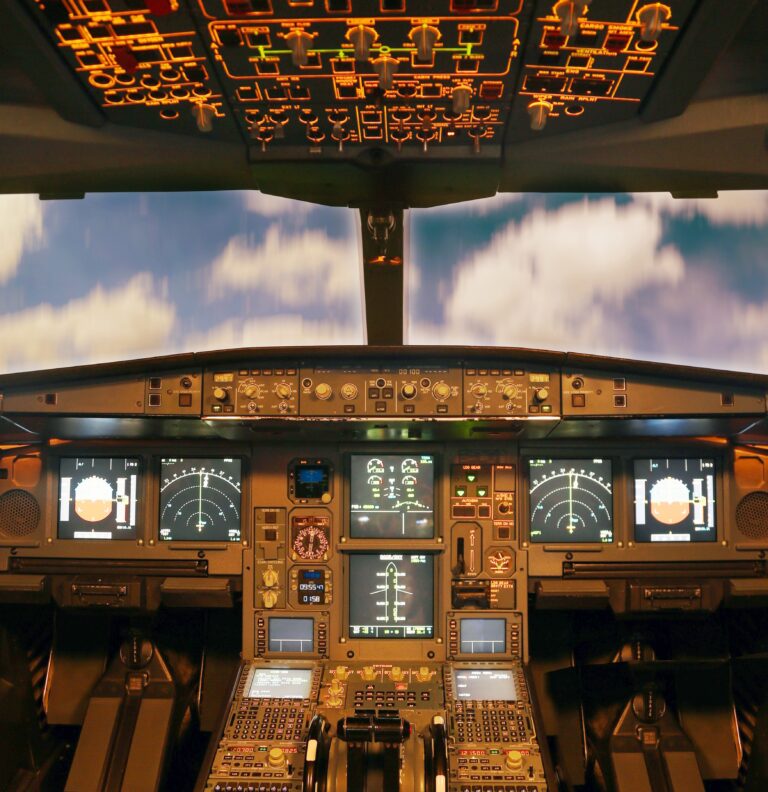
- cockpit design and interface layout
- automation behaviour and feedback
- training assumptions
- time pressure and operational context
- workload and fatigue
- organisational expectations
When these factors interact, they can constrain decision-making in subtle ways.
What appears to be a “bad decision” in hindsight may have been a reasonable response to incomplete or misleading system cues.
When Design Contributes to Error
System design does not eliminate human error. It can create conditions where error is more likely or harder to recover from.
Examples include:
1. Ambiguous or overloaded information
If multiple systems present competing signals, interpretation becomes harder under stress.
2. Automation surprises
When automation behaves in ways that are not intuitive, operators may lose situational awareness or trust.
3. Poor feedback loops
If the system does not clearly confirm actions or state changes, users must rely on inference.
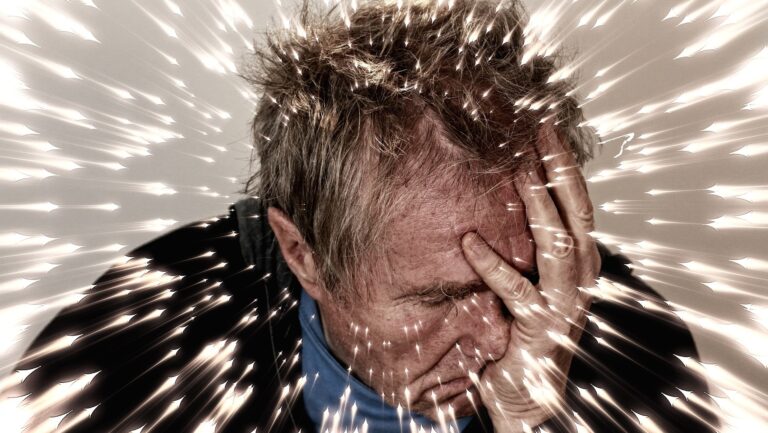
4. High cognitive workload
Complex systems can exceed human capacity, especially during abnormal situations.
In these cases, the “error” is not just in execution—it is embedded in the system conditions that shaped the decision.
Why “Pilot Error” Is an Incomplete Explanation
Attributing an incident to pilot error often leads to corrective actions like:
- retraining
- procedure updates
- disciplinary focus
These may address symptoms, but not structure.
If the system design remains unchanged, the same conditions can reappear.
This is why many safety improvements after accidents do not fully eliminate recurrence risk—they focus on the individual layer, not the system layer.
A Better Question for Safety Analysis
Instead of asking:
Who made the mistake?
A more useful question is:
How did the system shape the behaviour that led to the outcome?
This shifts focus from:
- blame → design
- individual → interaction
- correction → prevention
It also aligns more closely with how modern aviation systems actually behave: as tightly coupled environments where small design choices can scale into large consequences.
Human and System Are Not Separate
It is important not to oversimplify in the other direction.
System design does not replace human responsibility.
Instead, they are interdependent:
- Humans adapt to system constraints
- Systems rely on human flexibility
- Safety emerges from the interaction between both
Most accidents occur not because one side failed, but because the interaction between them broke down under specific conditions.
Implications for Aviation Safety
If we accept that system design contributes to error, then safety work must expand beyond training and procedures.
It must include:
- interface design and usability
- automation transparency
- workload management
- organisational decision pressure
- feedback clarity in critical systems
The goal is not to eliminate human error. That is unrealistic.
The goal is to design systems where:
errors are less likely, and more recoverable when they occur.
Conclusion
“Pilot error” may describe what happened at the surface level.
But it rarely explains why it happened.
In most aviation incidents, the outcome is not the result of a single mistake, but the product of a system that allowed that mistake to occur and escalate.
Understanding this distinction is essential if the goal is not just to assign responsibility—but to improve safety.