The Event
- Continental Airlines DC-10 departs Runway 26R; a titanium spacer/wear strip falls from the aircraft
- The strip lies undetected on the runway surface
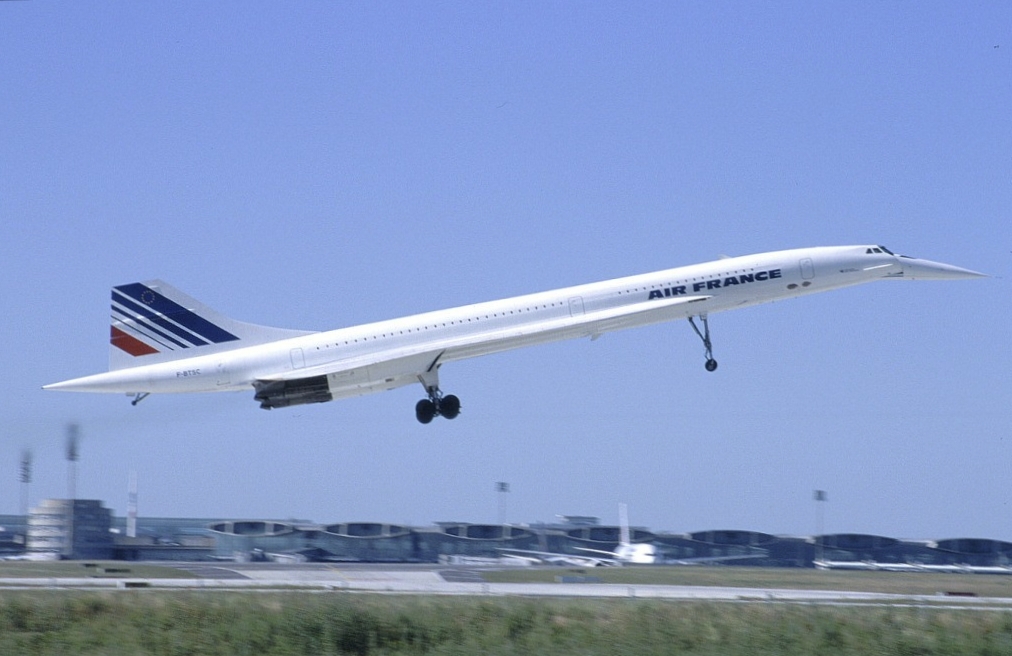
- Concorde AF 4590 begins its takeoff roll on Runway 26R
- At approximately 318 knots, tyre number 5 strikes the strip and bursts catastrophically
- A large rubber fragment strikes the underside of the left wing at high velocity
- The impact creates a pressure wave that ruptures fuel tank 5 — the largest centre tank
- Fuel pours through the ruptured tank and ignites, likely from the engine nacelles
- The aircraft leaves the ground with fire already extensive on the left side
- Engine 1 surges and shuts down; engine 2 loses thrust; airspeed is insufficient for a return
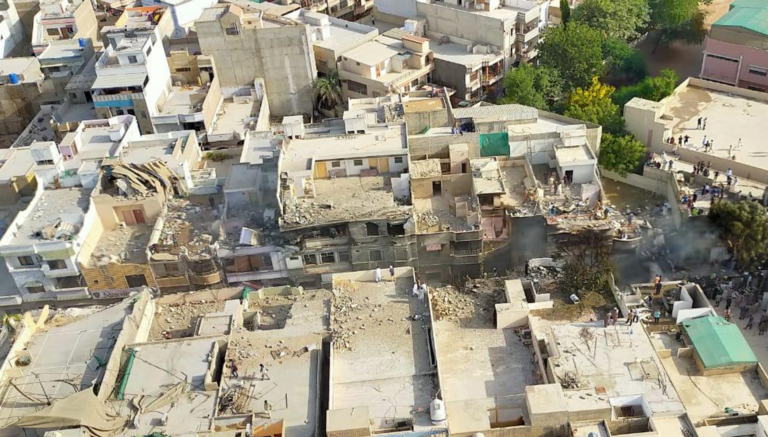
- The aircraft enters a left bank and strikes the Hotelissimo Hotel at Gonesse
- All 109 on board and 4 hotel occupants die; the aircraft is destroyed by fire
The Continental wear strip had been installed without conforming to the approved engineering specifications. Its presence on the runway was the result of a maintenance deficiency on an unrelated aircraft type — a reminder that the external hazard environment cannot be controlled solely by the aircraft operator.
Systems Engineering Perspective
From a systems engineering perspective, Concorde 4590 reveals a latent vulnerability in the fuel tank design that had been partially identified but not adequately mitigated. Tyre bursts on Concorde had occurred before. The mechanism by which a tyre burst fragment could rupture a fuel tank had been observed in ground testing. The risk was assessed and accepted.
The Concorde fuel tank vulnerability to tyre burst debris was not unknown. It had been observed. The risk was assessed as acceptable. Four thousand five hundred and ninety proves that the assessment was wrong.
Fuel Tank Vulnerability to Tyre Burst Debris
Concorde’s fuel tanks were structurally integral with the wing — the wing structure itself formed the tank walls. The tank design had no Kevlar lining or other ballistic protection against high-velocity debris impact. Previous Concorde tyre bursts had not produced tank rupture — an observation that was used to support the assessment that the risk was manageable.
The specific mechanism of failure — a large rubber fragment striking the tank at high velocity, creating a hydraulic pressure wave that fractured the fuel tank wall — had been observed in testing and was known to investigators. The frequency of tyre bursts that produced fragments of the relevant size and velocity had been assessed as insufficient to require mandatory structural modification.
A risk assessment that concludes a known failure mode is acceptable because it has not yet occurred on a revenue flight is not a safety assessment — it is a probability assessment. The probability is not zero.
Tyre Burst at V1 — The Point of No Return
The tyre burst occurred at approximately 318 knots — just above V1, the speed at which stopping on the runway is no longer possible. At this point, the decision logic — absent any ability to stop safely — was to continue. The aircraft was airborne with a fire that would have required landing almost immediately. The nearest runway was behind them.
The crew’s decision sequence was rational given the information available and the training provided. But the situation had already narrowed to no viable outcome from the moment the fuel tank ruptured. The fire that began at V1 left no safe option.
Foreign Object Debris — The Uncontrolled Input
The Continental wear strip represented an external hazard that no Concorde-specific safety measure could have addressed. FOD on the runway is a constant risk in airport operations. The specific response required — rapid runway inspection after every departure and immediate reporting of runway contaminants — was the operational control. It was not performed between the Continental departure and the Concorde takeoff.
Human Factors Perspective
The human factors analysis of Concorde 4590 operates at two levels: the operational response of the crew to an unsurvivable emergency, and the design and certification decisions that had accepted a known fuel tank vulnerability as manageable.
Crew Decision Under Unsurvivable Conditions
The crew of AF 4590 executed their emergency drills correctly under conditions where no correct execution was sufficient to change the outcome. From the moment the fuel tank ruptured, the fire was feeding on fuel from the largest tank in the aircraft, in a location that made it unavoidable for the exhaust from the engines. The fire was not survivable.
Crew performance cannot compensate for a design vulnerability that makes a specific failure mode unsurvivable from its initiation.
The Certification Risk Acceptance
The decision to accept the fuel tank tyre-burst vulnerability as manageable was a certification risk acceptance — a deliberate, documented decision that the identified risk was within acceptable limits. The criteria for that decision — based on historical tyre burst frequency and fragment energy distribution — did not predict AF 4590. The decision was wrong.
System Interaction Breakdown
1. Tyre Burst Fragment Rupturing Integral Fuel Tank
The fragment energy and impact geometry produced a hydraulic pressure wave sufficient to fracture the tank wall. No ballistic protection was present.
2. No Viable Landing Option After Tank Rupture at V1
The fire began after V1. The runway behind was not usable. The aircraft was not controllable for a forced return. No safe option existed.
3. FOD Not Cleared Between Preceding Departure and Concorde Takeoff
Runway inspection procedures did not detect and remove the Continental wear strip before Concorde used the same runway.
Significance in Aviation Risk
1. Kevlar Tank Lining
Kevlar lining was retrofitted to Concorde’s fuel tanks before the type returned to service in 2001, providing ballistic protection against tyre burst fragment impacts.
2. Burst-Resistant Tyre Design
Michelin developed and supplied NZG tyres specifically for Concorde — designed to limit the size of fragments produced by a burst.
3. FOD Detection and Control
The accident elevated FOD control between successive runway users as an explicit safety requirement.
4. Withdrawal From Service
Concorde was ultimately withdrawn from service in 2003. The combination of unresolvable economic factors, the psychological impact of the accident, and the ongoing safety management challenges of the type’s operational profile made continued operation unsustainable.
Related Aviation Risk Lab Content
Pillar Pages
Systems Engineering: Systems Engineering
Design and Certification: Design And Certification
Risk Assessment: Risk Assessment
Related Case Studies
Case Study 13: TWA 800 — The Fuel Tank That Sparked: Twa 800
Case Study 12: Swissair 111 — The In-Flight Fire: Swissair 111
Case Study 7: Aloha Airlines 243 — The Fuselage That Flew Apart: Aloha 243
Closing Perspective
Concorde 4590 is the accident where an acceptable risk became unacceptable at 318 knots on Runway 26R at Charles de Gaulle. The fuel tank vulnerability was known. It had been assessed. The assessment was wrong — as the only thing that mattered was whether the probability would eventually reach one, and on 25 July 2000 it did.
The Kevlar lining that allowed Concorde to return to service, and the burst-resistant tyres that were developed specifically for it, are the engineering answers to the vulnerability. They arrived two years too late for the 113 people who died at Gonesse.
Concorde’s withdrawal from service three years later closed the chapter on commercial supersonic passenger aviation. Whether it will reopen — and under what safety standards — is one of aviation’s most significant engineering and certification questions for the coming decades.
Concorde 4590 is the proof that ‘no incident on revenue service’ is not a safety demonstration for a known failure mode. Probability is not impossibility. On 25 July 2000, the probability arrived.