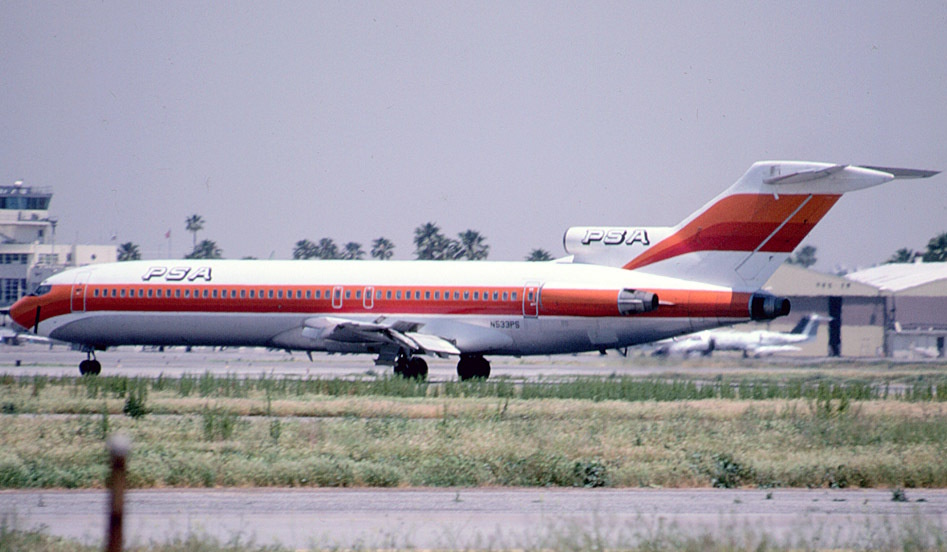
PSA Flight 182 — The Mid-Air No Radar Could Prevent

Pacific Southwest Airlines Flight 182 collided with a Cessna 172 in the congested airspace over San Diego at 9,350 feet, killing all 144 people on both aircraft and seven people on the ground. The collision occurred in visual meteorological conditions. The PSA crew had visually acquired the Cessna. They then lost it. They assumed the […]
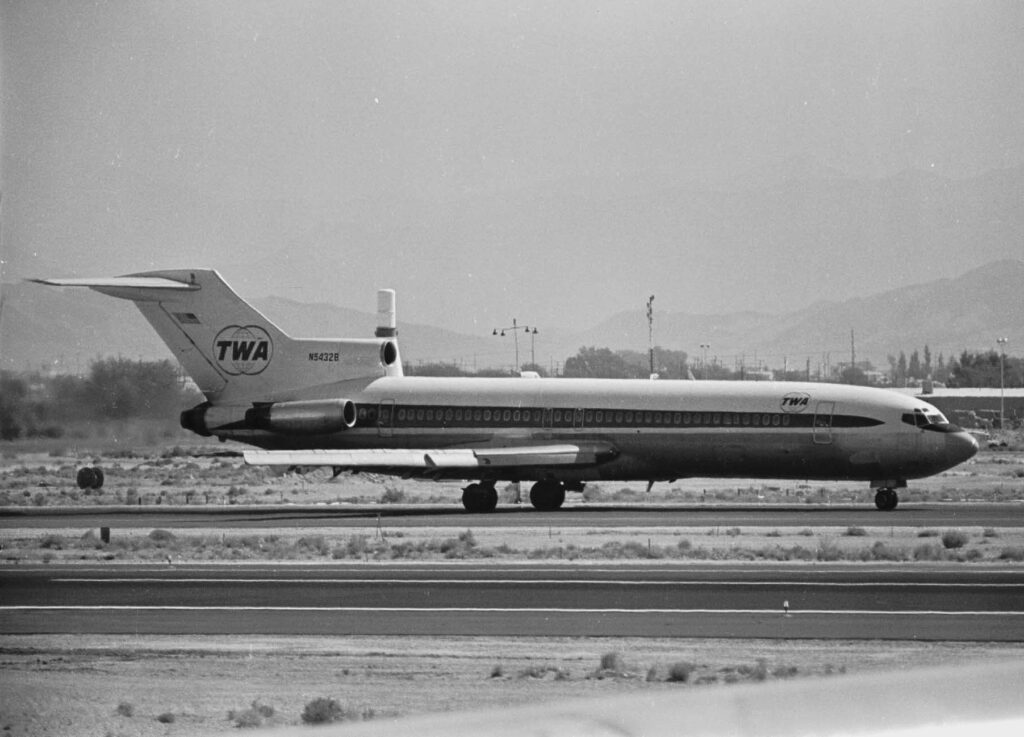
TWA Flight 514 — CFIT and the Clearance Misunderstood

TWA Flight 514 struck Mount Weather at 1,670 feet during descent toward Washington Dulles International Airport on an overcast December afternoon. The crew had interpreted an ATC clearance to maintain 1,800 feet until crossing the ARMEL VOR as permission to descend immediately to 1,800 feet. ATC had a different understanding. The aircraft was in mountainous

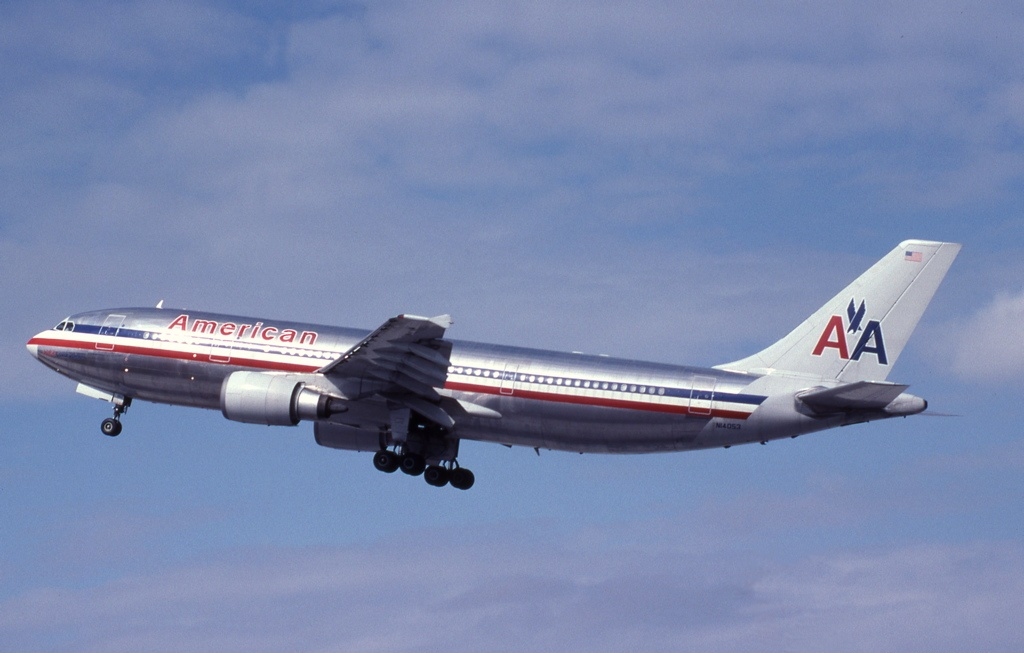
American Airlines Flight 587 — Composite Rudder and the Limits of Training

American Airlines Flight 587 lost its entire vertical stabiliser two minutes after departure from JFK Airport, killing all 265 people on board and five people on the ground. The vertical stabiliser failed because First Officer Sten Molin made a series of rapid, alternating full rudder deflections in response to wake turbulence from a preceding Boeing

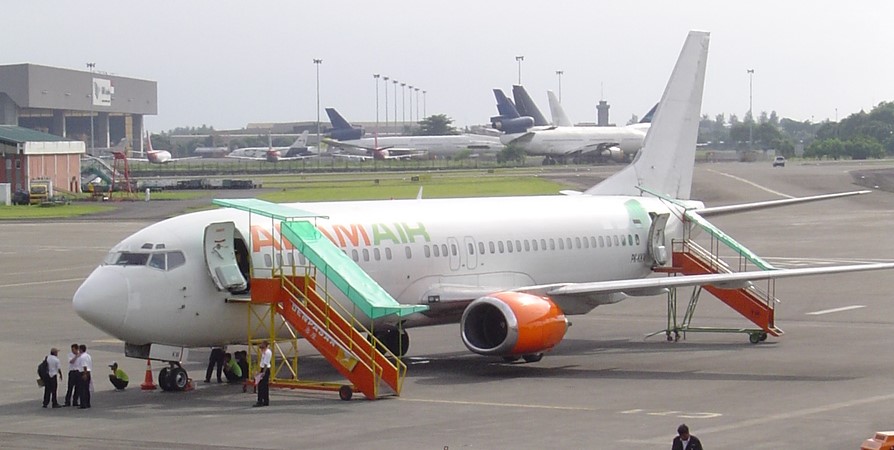
Adam Air Flight 574 — Distracted by the IRS While the Aircraft Flew Into the Sea

Adam Air Flight 574 entered a spiralling dive and broke apart at high speed over the Makassar Strait after the crew became so focused on troubleshooting an inertial reference system navigation fault that they allowed the aircraft to deviate undetected into an unusual attitude. The parallels with Eastern Air Lines 401 — an accident that

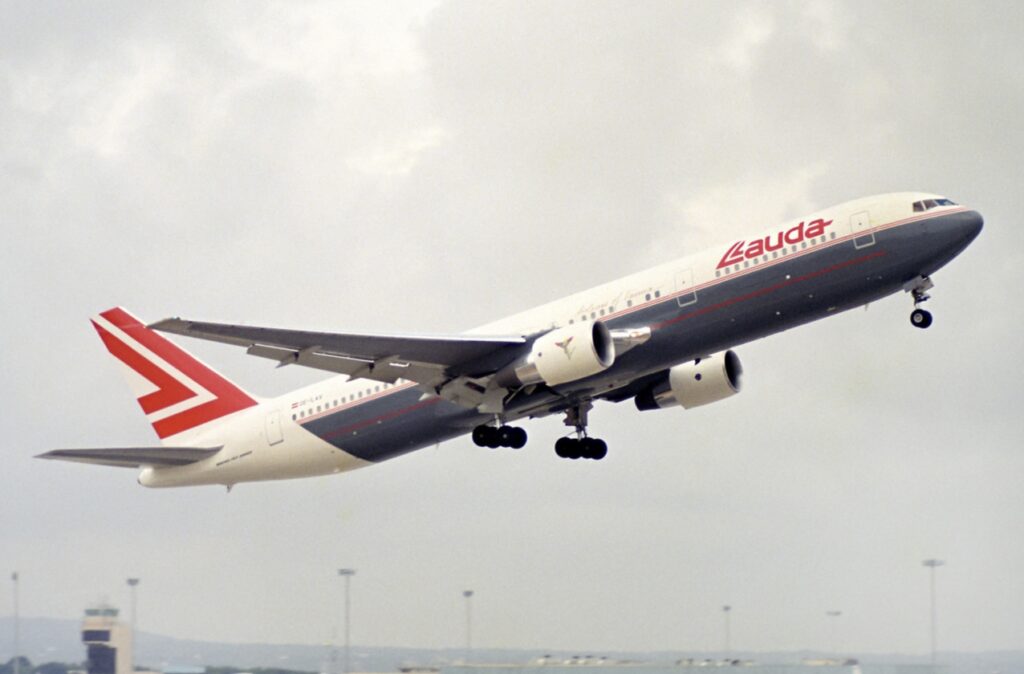
Lauda Air Flight 004 — The Thrust Reverser That Deployed at 44,000 Feet

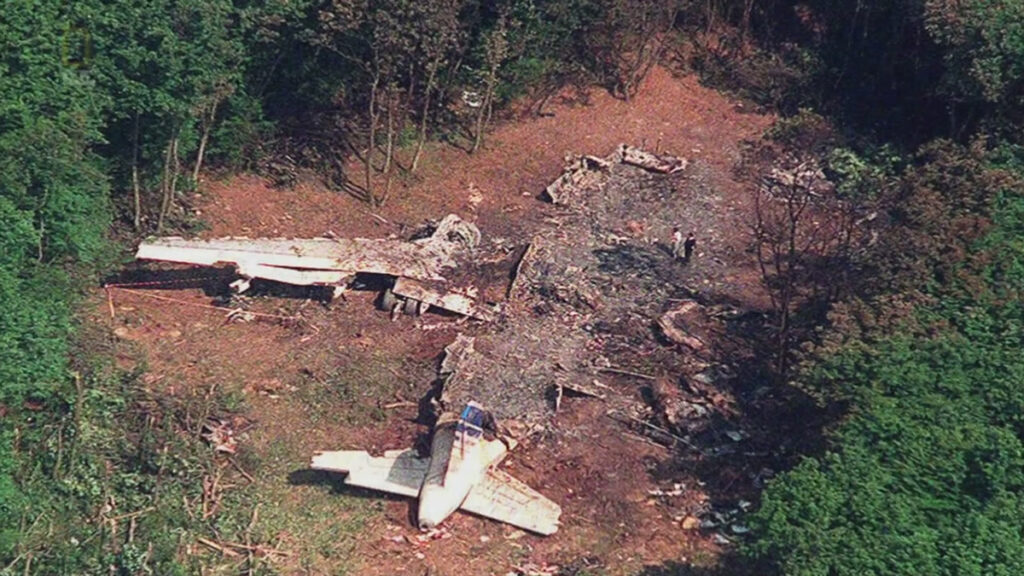
Lauda Air Flight 004 is the accident that proved an event long considered essentially impossible was, in fact, possible: the in-flight deployment of a cascade thrust reverser on a cruising transport aircraft. When the Number 1 engine’s left reverser deployed at 44,000 feet at near-full cruise thrust, the aerodynamic asymmetry was catastrophic. The aircraft broke

Air France Flight 296 — The Air Show, the Computer and the Trees

Air France Flight 296 is one of aviation’s most technically and legally contested accidents. On 26 June 1988, a brand-new Airbus A320 — the world’s first commercial fly-by-wire airliner — struck a line of trees at the end of the display area during an air show at Mulhouse-Habsheim Airport, killing three of the 136 people

Ethiopian Airlines Flight 302 — MCAS Again, Five Months Later

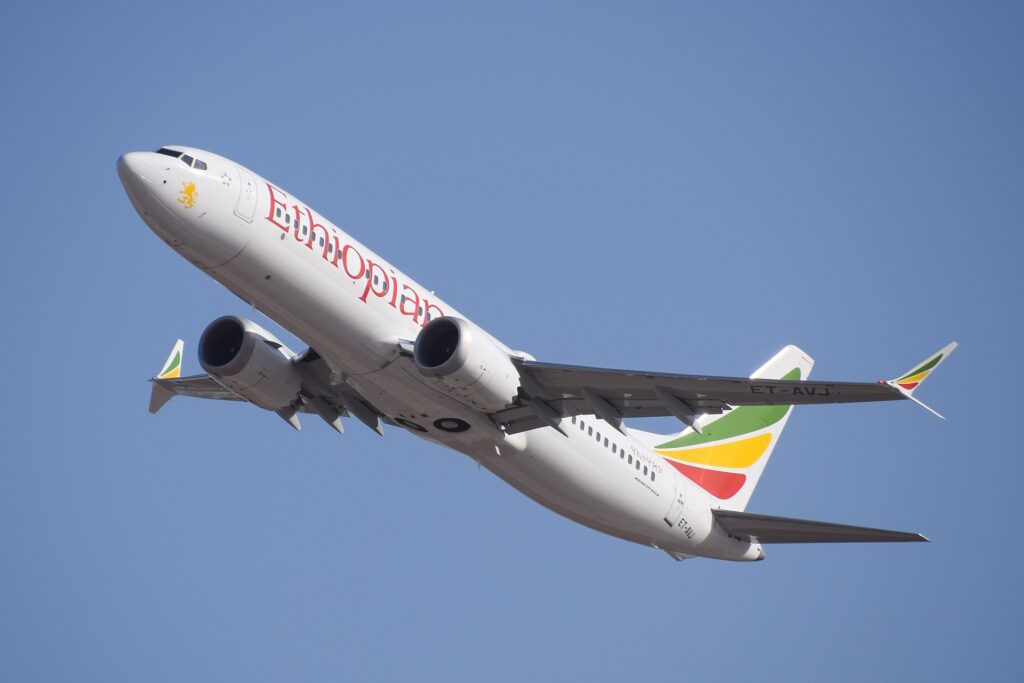
Five months after Lion Air 610 killed 189 people, Ethiopian Airlines 302 crashed for the same reason. The Boeing 737 MAX was still flying. The investigation of the first accident was in progress. An interim safety bulletin had been issued. And 157 more people died because the interim mitigation — a training bulletin describing the

XL Airways Germany Flight 888T — When the Test Flight Flew Into the Sea

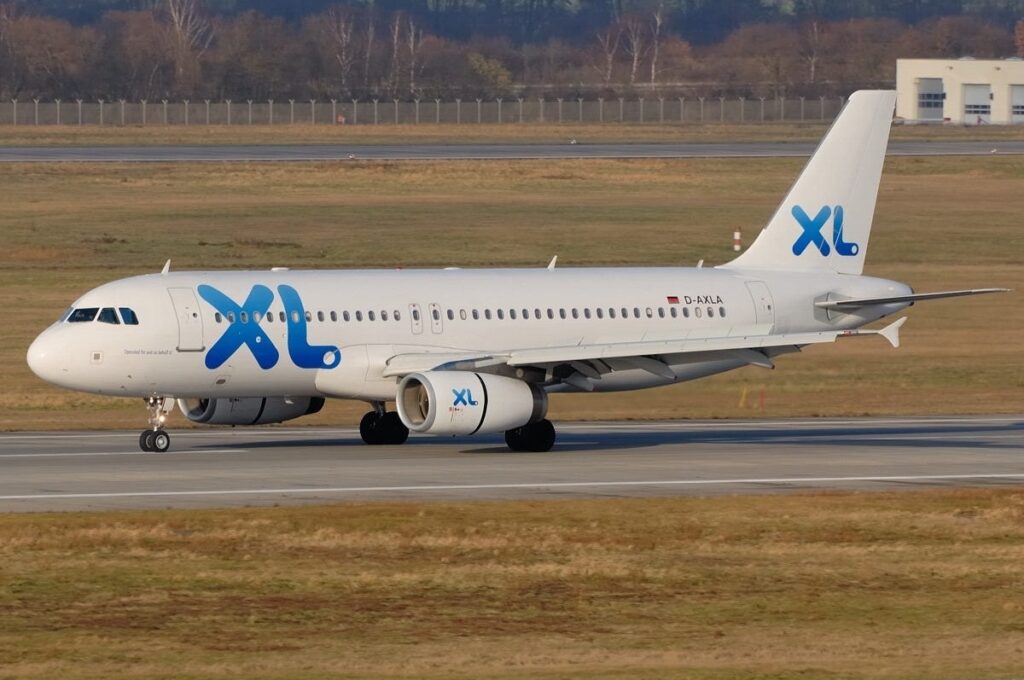
XL Airways Germany 888T was conducting an airworthiness verification flight — a delivery check for a lease changeover — when an attempt to test the Airbus A320’s alpha protection system resulted in the aircraft stalling at low altitude over the Mediterranean Sea. There was no recovery. All seven people on board died. The proximate cause

Germanwings Flight 9525 — The System That Couldn’t See What Was in Front of It

Germanwings 9525 was deliberately flown into the French Alps by First Officer Andreas Lubitz, who had concealed a severe depressive illness from his employer and the aviation medical authority. While the captain was temporarily outside the flight deck, Lubitz locked the door from inside, disabled the emergency entry code, and set the autopilot to descend.