Summary
The Tenerife Airport Disaster is often talked about as a miscommunication event, but that really only scratches the surface.
What actually happened was a breakdown in how everyone involved understood the situation. Different parts of the system—air traffic control, the flight crews, and even the environment itself—were no longer aligned on what was actually going on.
Instead of one shared picture of reality, there were multiple versions of it, and they didn’t match.
So the real issue wasn’t just a mistake or a missed call. It was that the system lost its ability to keep everyone on the same page.
Event Overview
System State Context
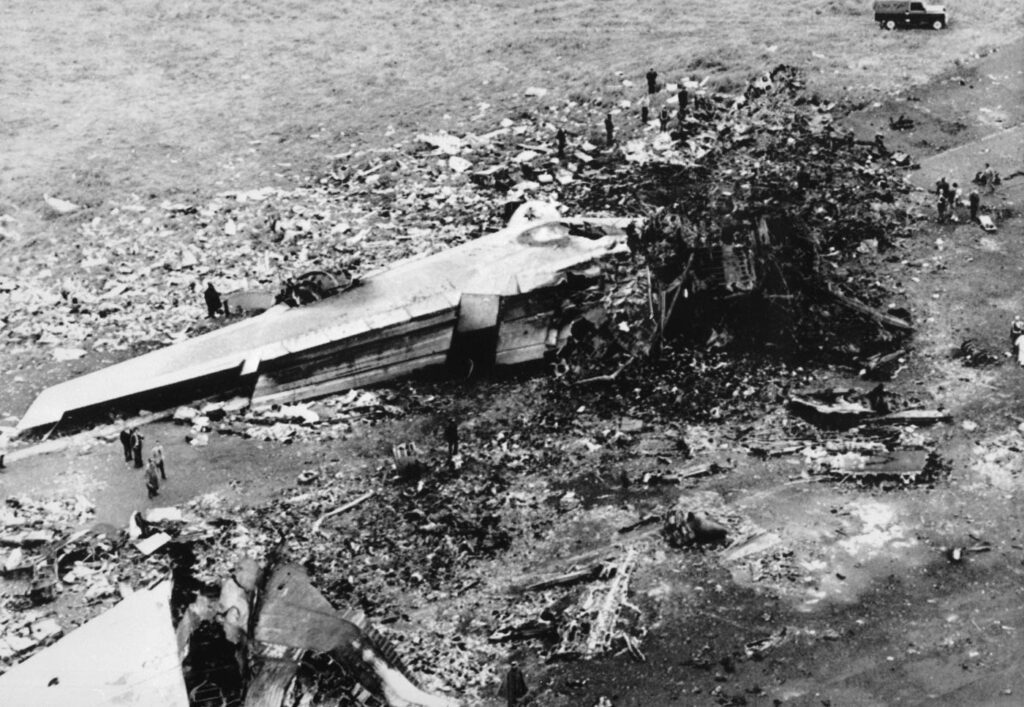
On March 27, 1977, Los Rodeos Airport suddenly became much busier than it was designed for. A separate incident forced a number of large aircraft to divert there, turning a relatively small airport into a very crowded and complex environment.
At the same time, conditions weren’t ideal:
- There were more aircraft on the ground than usual
- Dense fog reduced visibility significantly
- Crews and controllers had to rely heavily on radio communication
- Decisions had to be made more quickly than normal
Because of all this, the system started depending almost entirely on radio communication to keep everything coordinated. And that’s where things began to strain.
Communication System Behaviour
As the situation got busier, the radio frequency became overloaded.
Instead of clear, clean communication, messages started to overlap, get cut off, or only partially come through. People weren’t always hearing the full message, or they were hearing it slightly out of sequence.
So instead of everyone receiving the same information at the same time, different parts of the system were working with slightly different versions of what had been said.
And that’s a subtle but very dangerous shift.
System-Level Analysis
Loss of Shared State Synchronization
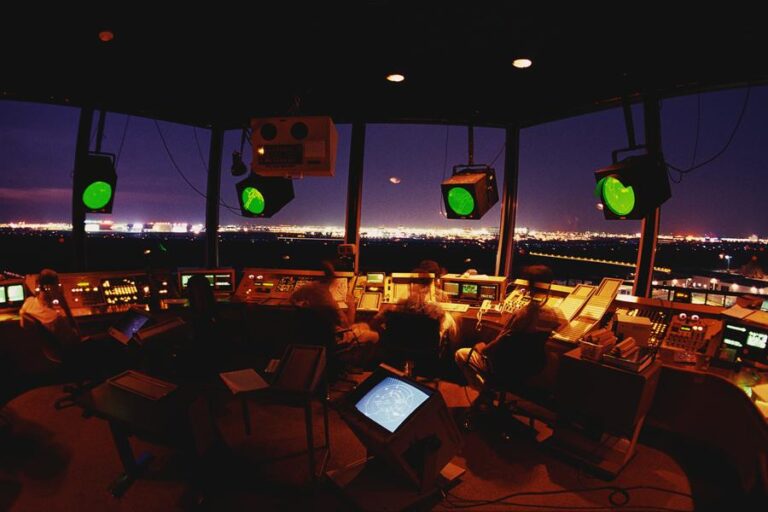
In normal operations, aviation relies on everyone having a shared understanding of the situation. That comes from a mix of communication and visual confirmation.
At Tenerife, both of those started to break down.
The fog removed the ability to visually confirm what was happening on the runway, and the overloaded radio made communication less reliable.
So what you ended up with was:
- Air traffic control managing movements based on their sequencing plan
- Flight crews interpreting instructions based on what they thought they heard
- No reliable way to double-check or align those interpretations
Instead of one shared reality, multiple versions of the situation started to exist at the same time.
Semantic Compression Under Channel Saturation
As the radio became more congested, communication naturally became shorter and less precise.
People started using quicker phrases, assuming shared understanding, or leaving parts implied rather than fully stated.
Under normal conditions, that works fine because there are other ways to confirm meaning.
But here, those shortcuts introduced ambiguity—especially around critical things like runway status and takeoff clearance.
So instead of clear, explicit instructions, you had messages that could be interpreted in more than one way.
Collapse of Redundant Verification Channels
Normally, if something isn’t clear over the radio, you can look outside and confirm it visually.
At Tenerife, that option was gone.
The fog meant crews couldn’t see the runway clearly, and controllers couldn’t visually verify aircraft positions.
So the system lost one of its key safety layers.
Everything now depended on a single communication channel that was already struggling.
Divergence of Operational Reality Models
As things continued, different “versions” of reality started to form within the system:
- Air traffic control had their plan for sequencing aircraft
- One flight crew believed they were cleared or nearly cleared for takeoff
- The other aircraft was still on the runway, but not visible
Each of these perspectives made sense on its own—but they didn’t line up with each other.
And critically, there was no moment where everything was brought back into alignment before the next action was taken.
State Transition Execution Under Ambiguity
Taking off is one of the most critical actions in aviation, and it depends on one key condition: the runway must be clear.
At Tenerife, that decision was made without full certainty.
The signals that should have confirmed the runway was clear weren’t fully aligned, but the action happened anyway.
So a high-risk action was carried out while the system was still uncertain about its own state.
Why the System Failed
This accident came from several factors combining:
- The radio system became overloaded and less reliable
- Fog removed the ability to visually confirm what was happening
- Communication became shorter and more ambiguous under pressure
- Different parts of the system developed different understandings of the situation
- A critical action was taken before those differences were resolved
Each of these issues on its own might not have caused a disaster.
But together, they removed the system’s ability to maintain a single, clear understanding of reality.
Key System Lessons
- Everyone in the system needs to share the same understanding of what’s happening—not just exchange information
- Communication under pressure tends to lose precision, not just volume
- Safety systems need truly independent ways to verify information
- Environmental conditions can quietly remove important safety layers
- What matters most is how well the system holds together when things start to degrade
Conclusion
The Tenerife disaster wasn’t just about miscommunication—it was about a system that lost its shared understanding.
It wasn’t that the wrong information was sent, but that different parts of the system interpreted the situation differently, and those differences were never fully resolved.
In the end, the system didn’t fail because of one mistake.
It failed because multiple versions of reality were allowed to exist at the same time—and no one brought them back together before it was too late.