Where FHA and FTA sit in safety engineering
Functional Hazard Assessment (FHA) and Fault Tree Analysis (FTA) are two of the main tools used in aviation safety engineering.
But they’re not standalone tasks—you don’t just “do an FHA” or “do an FTA” in isolation. They’re part of a bigger process that helps you understand how safe a system really is.
A simple way to think about it:
FHA happens early, when you’re still figuring out what the system is supposed to do
FTA happens later, when you’re digging into how things could actually fail
Another way to look at it:
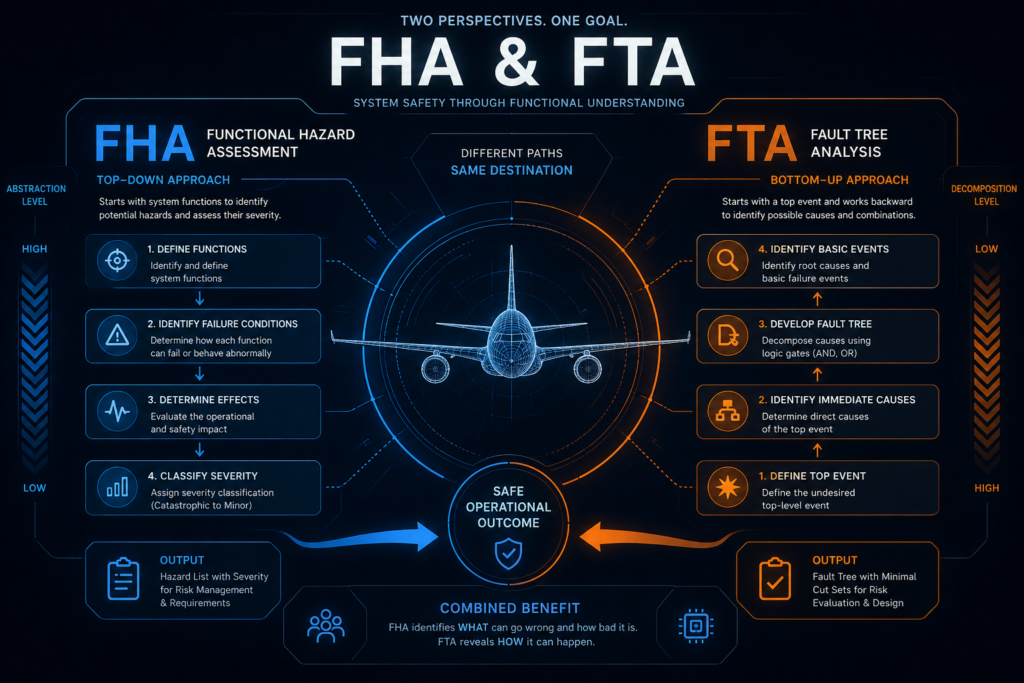
FHA is top-down (starting from functions)
FTA is bottom-up (starting from failures)
Or even simpler:
FHA asks: “If this goes wrong, what happens?”
FTA asks: “How could it go wrong in the first place?”
What FHA actually does
FHA is about functions—not parts, not components, not hardware.
You’re not looking at what breaks. You’re looking at what the system is supposed to do, and what happens if it doesn’t do that properly.
Think of it like this: before worrying about wires, sensors, or computers, you ask:
“What is this system meant to achieve?”
Some simple examples of functions:
Maintain aircraft altitude
Provide airspeed information
Control pitch
Detect terrain proximity
Once you’ve got those, the question becomes:
“What if this function is wrong?”
Step-by-step: Functional Hazard Assessment (FHA)
Step 1: Define system functions
Start with what the system does.
Not the hardware—just the purpose.
For example:
Instead of saying “pitot system,”
you’d say:
“Provide accurate airspeed information to pilots and flight systems”
That shift is really important. You’re focusing on the outcome, not the equipment.
Step 2: Define failure conditions
Now take that function and imagine how it could go wrong.
Not just completely fail—there are different ways things can break:
complete loss
partial degradation
wrong output
intermittent behaviour
Using the airspeed example, that might look like:
no airspeed displayed
airspeed too high
airspeed too low
jumping or unstable readings
Each of these is a different failure condition, even though they come from the same function.
Step 3: Determine operational effects
Now ask the most important question:
“What does this actually do to the aircraft?”
This is where you step out of theory and think about real operation.
Consider things like:
pilot workload
how the autopilot reacts
how the aircraft behaves
what other systems might do in response
For example:
If the aircraft thinks it’s going faster than it actually is, the pilot or automation might reduce power or pitch down unnecessarily—which can push the aircraft into an unsafe situation.
Step 4: Assign severity classification
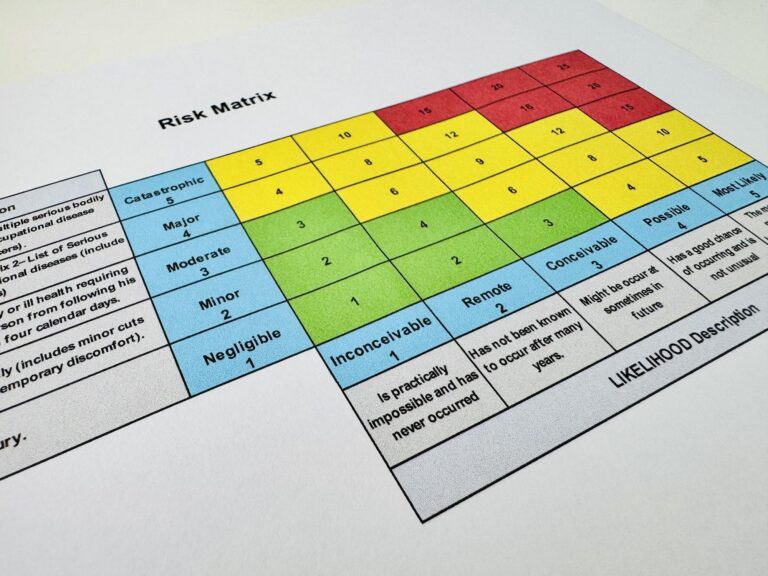
Now you classify how serious each failure is.
Typical levels are:
Catastrophic
Hazardous / Severe Major
Major
Minor
No safety effect
This part matters a lot, because it drives design decisions like:
how much redundancy you need
how the system is built
what regulators will require
Key idea in FHA
FHA is not about components failing.
It’s about:
what happens to the aircraft when a function is wrong
What FTA actually does
FTA works in the opposite direction.
Instead of starting with a function, you start with a bad outcome—and work backwards.
For example:
“Loss of control”
Then you ask:
“How could we end up here?”
Step-by-step: Fault Tree Analysis (FTA)
Step 1: Define top event
Start with a clear failure event.
Examples:
loss of pitch control
uncommanded descent
stall not recovered
loss of navigation capability
Be very specific—this is the thing you’re trying to explain.
Step 2: Identify immediate causes
Now break that failure into the most direct reasons it could happen.
For example:
Loss of control could come from:
bad attitude information
pilot input error
flight control system issues
extreme weather
At this stage, you’re just mapping out the main branches.
Step 3: Continue decomposition
Now you keep going deeper.
Take each cause and ask:
“Why would that happen?”
For example:
Bad attitude information might come from:
sensor failure
disagreement between sensors
data processing issues
power problems
You keep breaking it down until you reach basic things like:
hardware failures
software issues
human actions
environmental conditions
Step 4: Apply logic gates
This is where FTA becomes powerful.
You define relationships between causes:
OR = any one of these can cause the failure
AND = multiple things must happen together
For example:
Loss of control might happen if:
OR: flight control system fails
OR: structure fails
But in another case:
AND: sensor failure + pilot misinterpretation
This lets you model not just single failures, but combinations—which is where most real problems come from.
Key idea in FTA
FTA isn’t asking:
“What failed?”
It’s asking:
“What combination of things would need to happen for this to fail?”
How FHA and FTA work together
These two aren’t separate—they feed into each other.
Simple way to connect them:
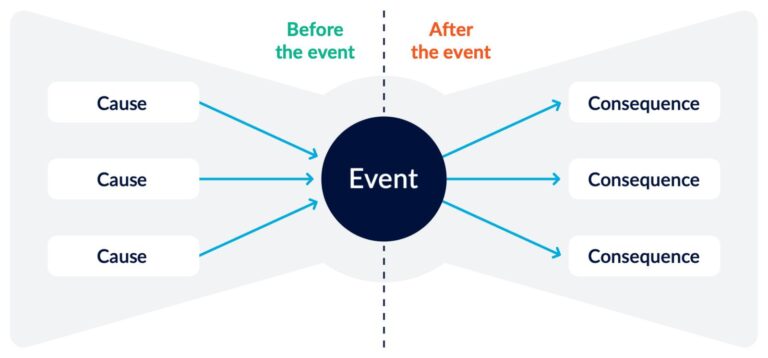
FHA tells you what failures matter and how serious they are
FTA tells you how those failures could actually occur
For example:
FHA says: “Losing airspeed information is dangerous”
FTA says: “Here are all the ways you could lose airspeed information”
Common mistakes junior engineers make
Mistake 1: Treating FHA like a checklist
It’s easy to turn FHA into a spreadsheet exercise.
But that misses the point.
You’re supposed to be thinking about how the aircraft behaves—not just filling boxes.
Mistake 2: Jumping into FTA too early
If you skip proper FHA:
you focus on components instead of functions
you miss system-level effects
you oversimplify how failures actually happen
Mistake 3: Ignoring the human
In aviation, the pilot is part of the system.
If you ignore how humans interpret information:
your analysis will be incomplete
Simple mental model
If you remember nothing else, remember this:
FHA = what happens if a function is wrong
FTA = how that function becomes wrong
That’s the relationship.
Closing Thought
Safety analysis isn’t just paperwork—it’s about understanding how systems behave.
In real aircraft, failures rarely come from one thing breaking.
They come from multiple things interacting in ways that weren’t fully expected.
FHA and FTA help you see that from two directions:
one from the top (what goes wrong),
and one from the bottom (how it happens).