
Helios Airways Flight 522 — The Switch Left in the Wrong Position

Helios Airways Flight 522 flew a ghost flight across the Aegean Sea for approximately two hours with an incapacitated crew, before a flight attendant — himself severely hypoxic — reached the cockpit in a final desperate attempt at recovery. The pressurisation mode selector had been left in the MANUAL position following a ground check the […]
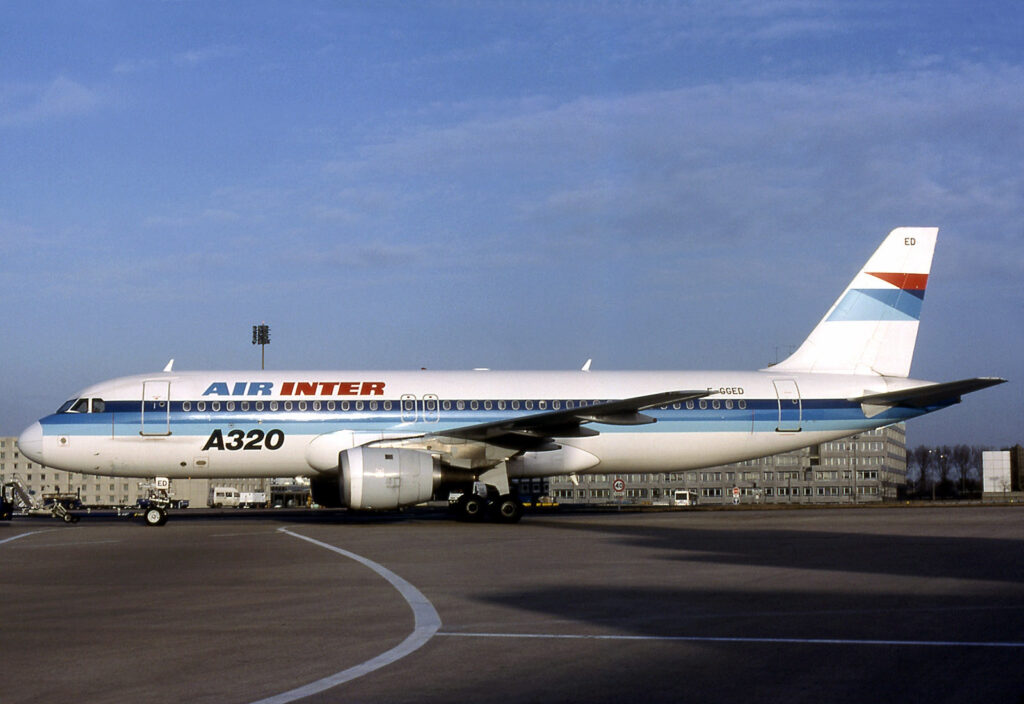
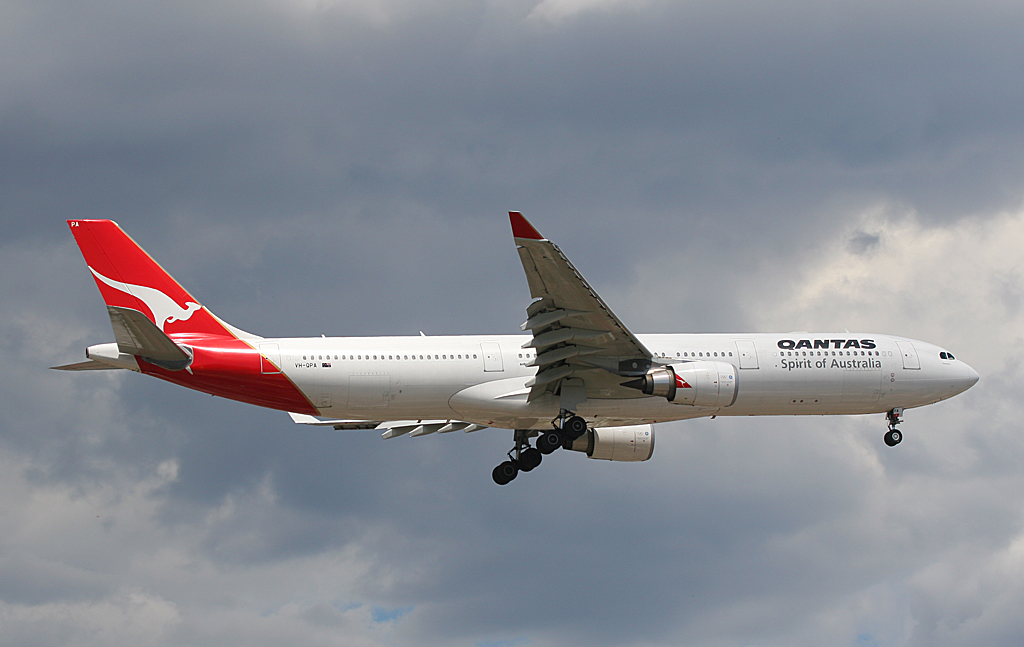
Qantas Flight 72 When the system reacted correctly to something that wasn’t real

Qantas Flight 72 experienced two uncommanded pitch-down events at cruise altitude when a faulty Air Data Inertial Reference Unit (ADIRU) transmitted false angle of attack spikes to the aircraft’s flight control computers. The computers, receiving data indicating an imminent stall, activated the pitch-down protection — exactly as designed. The data was false. The protection was

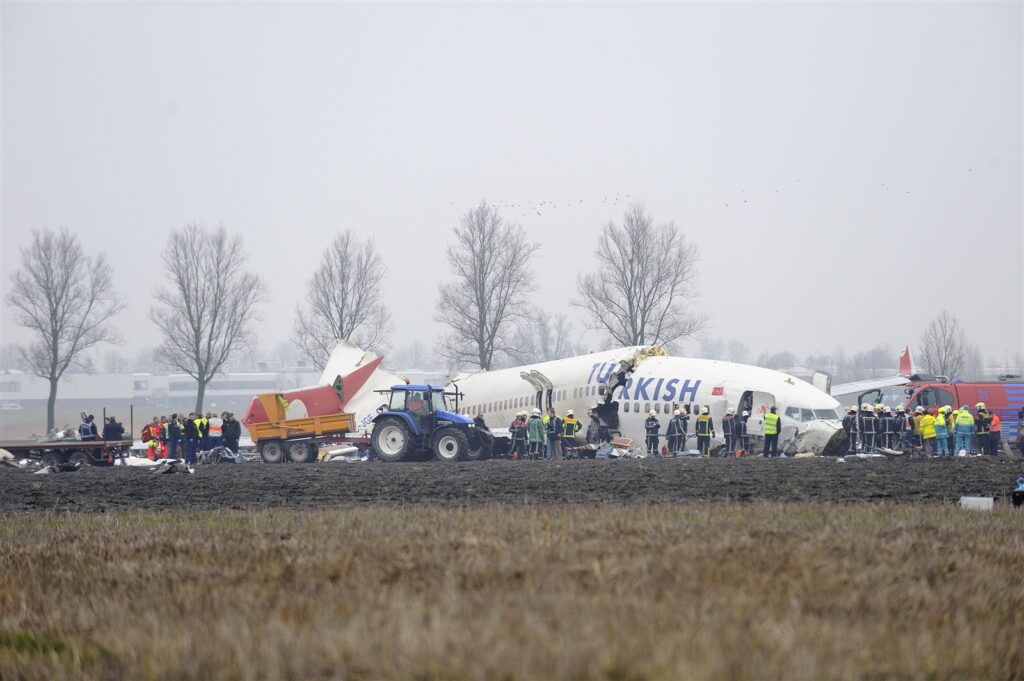
Turkish Airlines Flight 1951 — The Altimeter That Fooled the Throttle

Turkish Airlines 1951 stalled short of Amsterdam’s Runway 18R because one of the aircraft’s two radio altimeters was generating a false reading of negative eight feet — and the autothrottle responded to this false reading by reducing thrust to the idle landing setting at 1,950 feet during the approach. The crew did not detect the

Non-Linear Systems in Aviation: Why Small Failures Can Lead to Major Outcomes

Aviation systems do not always behave in predictable, proportional ways. Small changes or failures can produce disproportionately large outcomes. This is known as non-linear system behaviour. Understanding this is critical to understanding why aviation accidents cannot be explained through simple cause-and-effect reasoning.   What is Non-Linear Behaviour? In linear systems: input and output are proportional

System State Awareness in Aviation: Understanding Aircraft Behaviour in Complex Systems

System state awareness refers to the ability of pilots and operators to accurately understand what an aircraft system is doing at any given time. In modern aviation, this is increasingly difficult due to automation, system complexity, and indirect control. Pilots are no longer directly controlling aircraft in many situations—they are managing systems that control the

Leading and Lagging Indicators in Aviation Safety: Measuring Risk Before and After Failure

Aviation safety relies on measurement—but not all safety metrics are equal. Indicators are typically divided into: lagging indicators (after events occur) leading indicators (before events occur) Understanding the difference is essential for managing risk proactively.   Lagging Indicators Lagging indicators measure outcomes that have already occurred, such as: accidents incidents safety reports They are useful

Safety Culture in Aviation: How Organisational Behaviour Influences Risk and Performance

Safety culture in aviation refers to the shared values, beliefs, and behaviours that influence how safety is prioritised and managed within an organisation. It determines how decisions are made under pressure, how risks are communicated, and how deviations from expected performance are handled. Safety culture is not a policy—it is how the system behaves in

Normalisation of Deviance

Normalisation of deviance describes the process by which deviations from expected standards gradually become accepted as normal operational behaviour. In aviation, this does not happen through deliberate risk-taking. It emerges when small departures from procedures or design assumptions occur without immediate negative consequences. Over time, these deviations are repeated, accepted, and embedded into routine operations.

Decision-Making Under Stress in Aviation: How Time Pressure and Uncertainty Affect Pilot Performance

Decision-making under stress is a central concept in aviation human factors. It describes how pilots and crew make operational decisions when time is limited, information is incomplete, and consequences are high. In normal conditions, decision-making is structured, procedural, and deliberate. Under stress, however, cognitive processing changes. Attention narrows, working memory is reduced, and reliance on