British Airways Flight 38 Accident Analysis: Engine Icing and the Limits of Automation

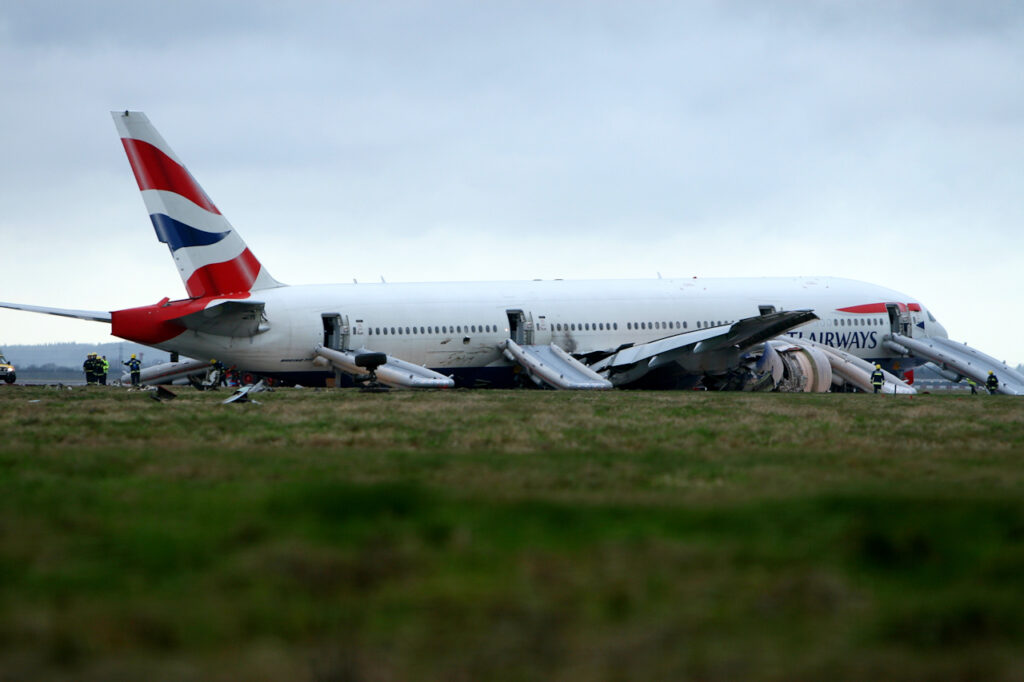
British Airways Flight 38 is often described as a landing accident caused by a sudden loss of engine thrust on approach to Heathrow. While technically accurate, this description does not capture the system-level behaviour that led to the event. From a systems perspective, this incident demonstrates how gradual environmental degradation can interact with automated control […]
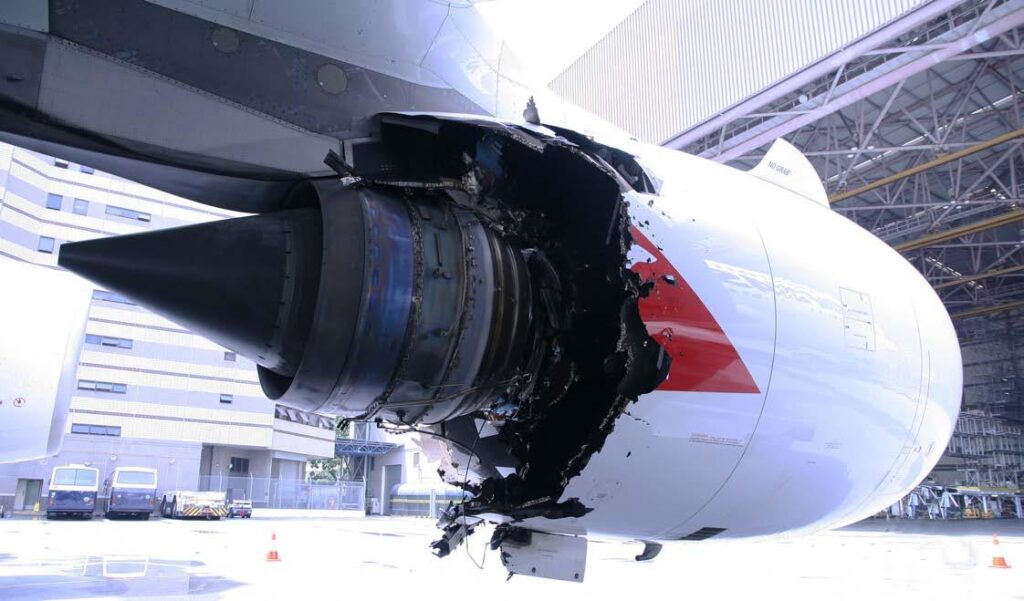
Qantas Flight 32 Accident Analysis: How Aircraft Systems Contain Cascading Failures

Qantas Flight 32 is aviation’s most important positive case study after US Airways 1549. On 4 November 2010, an Airbus A380 experienced an uncontained engine failure in its Number 2 engine shortly after departure from Singapore. The failure was catastrophic. A disc fragment from the intermediate pressure turbine exited through the engine casing, penetrating the

Failure Propagation in Aviation: How System Coupling Turns Small Faults into Complex Events

In aviation systems, failures rarely remain isolated. A single technical fault can remain contained—or it can spread across multiple subsystems, creating unexpected and sometimes severe operational consequences. This process is known as failure propagation through system coupling. It is one of the most important concepts in understanding modern aviation risk, because it explains why accidents

Interaction Effects in Aviation Systems

Most aviation systems are designed around the assumption that components can be understood individually. Engines, sensors, procedures, human operators, and automation are often analysed as separate elements. But in real operations, systems rarely behave in isolation. They interact. And it is these interactions—not individual components—that often determine outcomes. This is known as interaction effects.  

System-Level Failure Emergence

Most aviation accidents are not caused by a single component failing. They occur when multiple parts of a system interact in ways that were not fully anticipated during design or operation. This is known as system-level failure emergence. It describes the point where individual conditions—each manageable on their own—combine to produce an outcome that is

Risk Accumulation in Aviation

Most aviation accidents are not the result of a single failure. They are the result of multiple small factors aligning over time. Individually, these factors may appear manageable. Together, they can create conditions where safety margins gradually disappear. This process is known as risk accumulation. It is one of the most important—but least visible—concepts in

Fatigue in Aviation: The Invisible Risk Factor

Fatigue is one of the most persistent risks in aviation—and one of the least visible. Unlike mechanical failures or system alerts, fatigue does not present itself clearly. There are no warning lights, no system messages, no immediate indicators that performance is degrading. And yet, its effects can be just as significant. Fatigue in aviation is

Situational Awareness in Aviation

  Situational awareness is one of the most frequently referenced concepts in aviation safety. It is often cited in accident reports and operational briefings, particularly in detailed aviation accident case studies, where breakdowns in awareness are analysed in context. And yet, it is rarely defined in a way that fully explains how it works—or why

Why Checklists Don’t Always Prevent Accidents

Checklists are one of the most fundamental safety tools in aviation. They standardise actions, reduce reliance on memory, and provide a structured way to manage both normal and abnormal situations. In many cases, they work exactly as intended. But not always. Despite their widespread use, accidents still occur in environments where checklists are present, available,

Automation Dependency in Modern Aircraft: When Help Becomes Reliance

Modern aircraft are highly automated. From flight management systems to autopilot modes, much of the routine workload in aviation is now handled by machines. This has improved efficiency, reduced manual workload, and contributed to overall safety. But there is a trade-off. As automation takes over more functions, pilots interact with the aircraft differently. They are