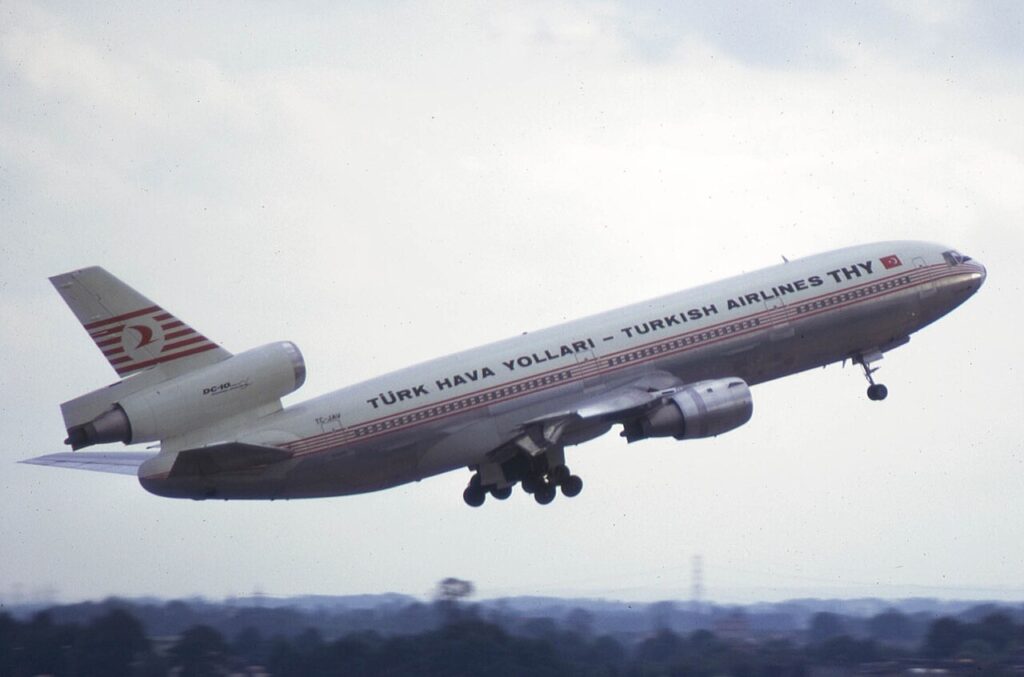
Turkish Airlines Flight 981 — A Door That Was Never Safe

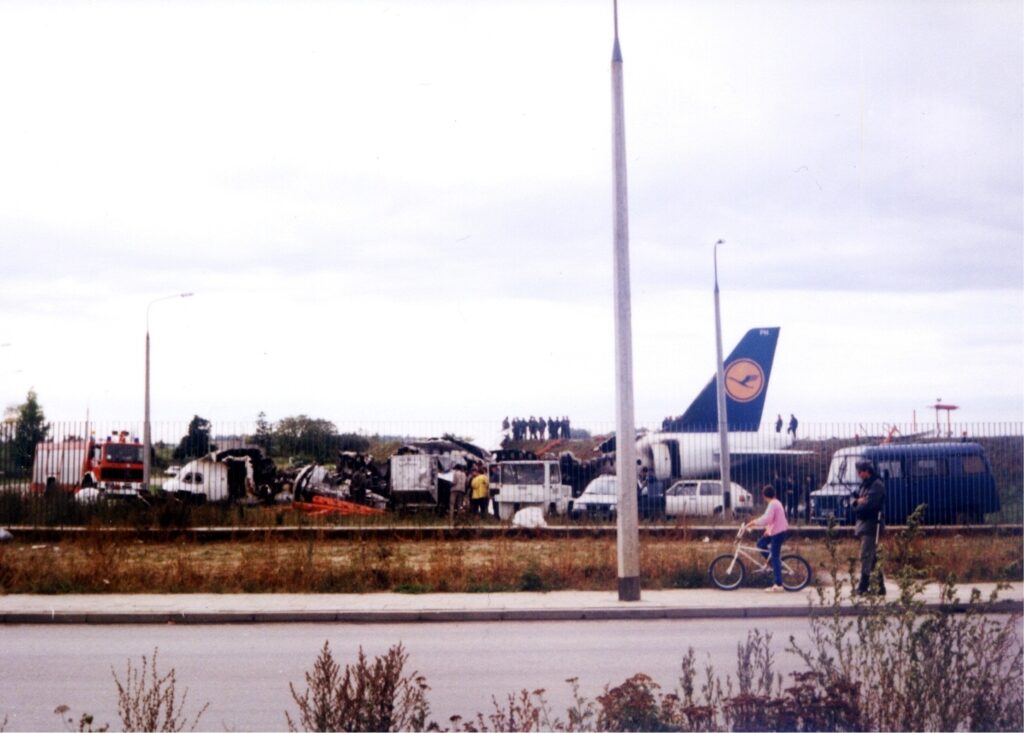
Turkish Airlines Flight 981 is the story of a design flaw that was known, documented, reported, partially corrected, and then allowed to kill 346 people. The aft cargo door of the McDonnell Douglas DC-10 had a fundamental latching mechanism defect. An incident two years earlier had revealed it. A service bulletin had been issued. A […]
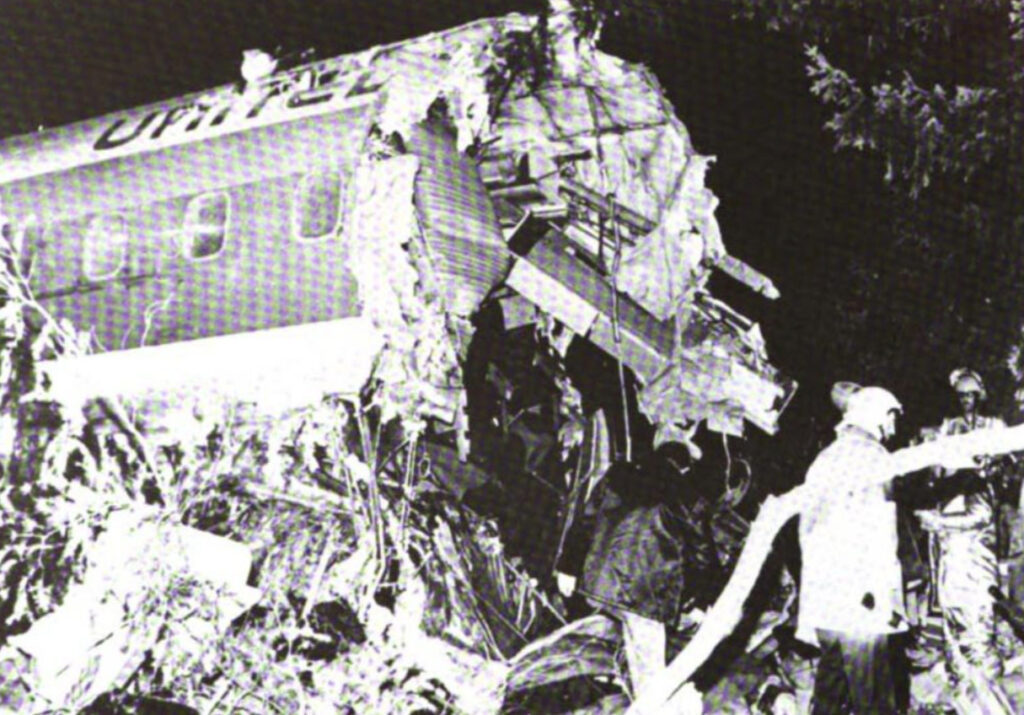
United Air Lines Flight 173 — The Hierarchy of Silence

United Air Lines Flight 173 ran out of fuel on a night approach to Portland International Airport while the captain and crew spent 68 minutes troubleshooting a landing gear anomaly. The fuel state had been known to be critical for over thirty minutes. The first officer and flight engineer mentioned it. Repeatedly. In language that

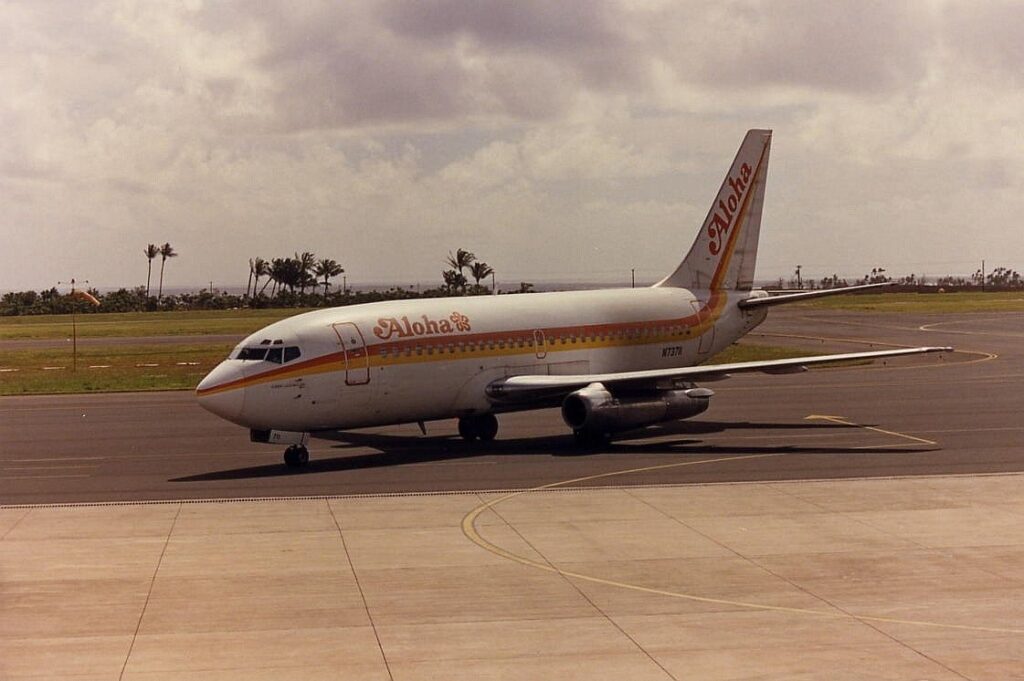
Aloha Airlines Flight 243 — The Fuselage That Flew Apart at 24,000 Feet

Aloha Airlines Flight 243 is the case study that created the discipline of ageing aircraft structural management. On 28 April 1988, at 24,000 feet over the Hawaiian islands, an 18-foot section of the upper fuselage of a Boeing 737 tore away. The aircraft had accumulated 89,680 flight cycles — more than any other commercial aircraft

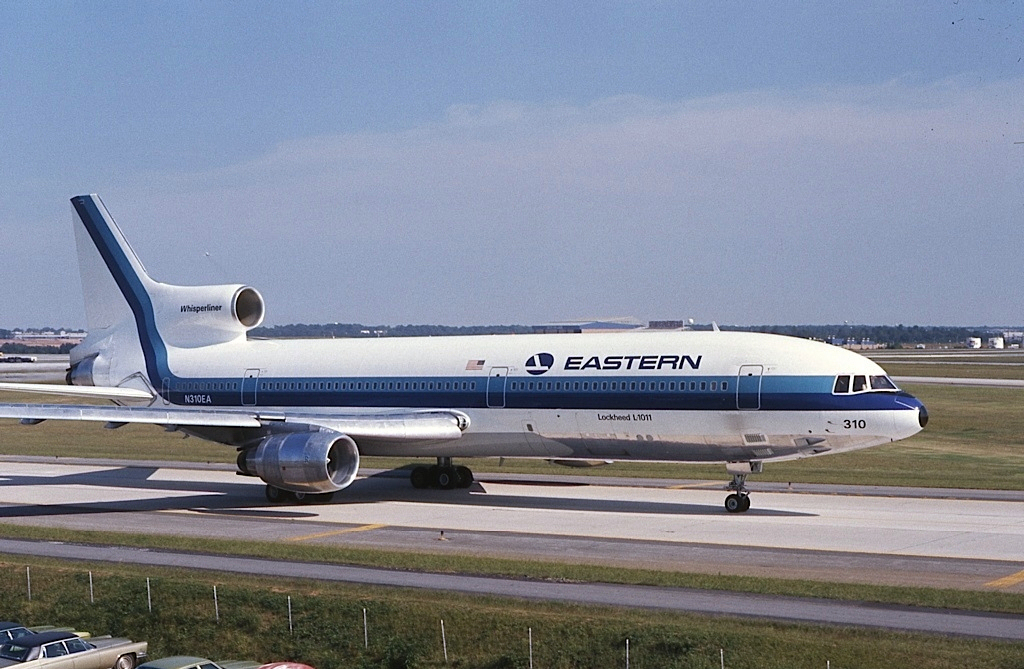
Eastern Air Lines Flight 401 — The Altitude No One Owned

Eastern Air Lines Flight 401 is the case study that gave the aviation safety world the concept of channelised attention — the complete redirection of cognitive resources toward a single low-priority task, to the exclusion of everything else that matters. On 29 December 1972, a brand-new Lockheed L-1011 TriStar — one of the most advanced

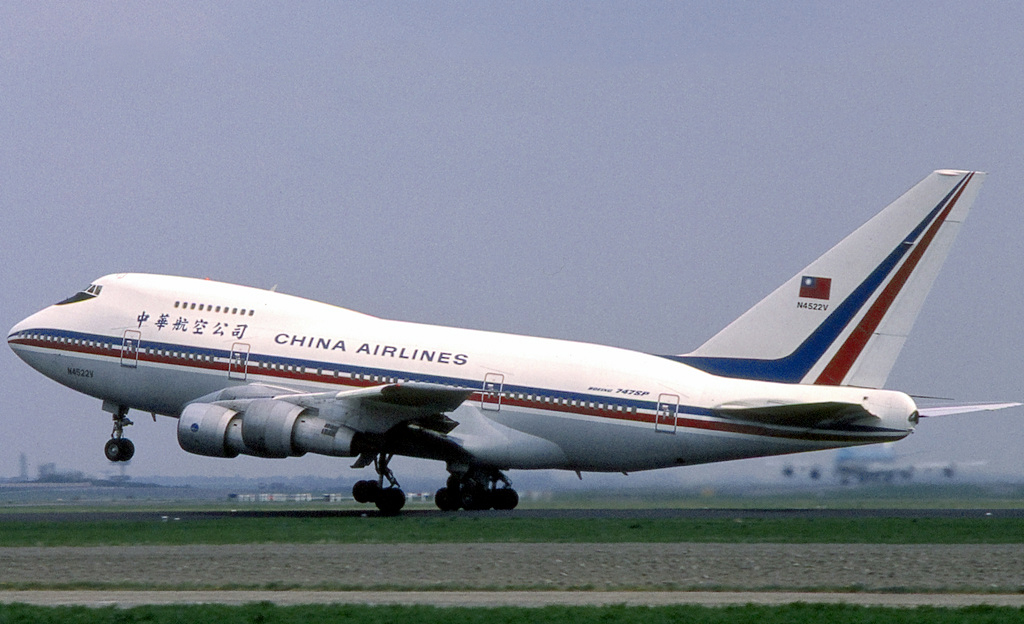
China Airlines Flight 006 When automation silently removed the aircraft from stable reality

China Airlines Flight 006 is one of the most dramatic automation-induced upsets in aviation history. Cruising at 41,000 feet over the Pacific, the Number 4 engine flamed out. The autopilot, attempting to maintain heading and altitude with asymmetric thrust, gradually increased bank angle to compensate. The bank angle reached the limit of autopilot authority. The

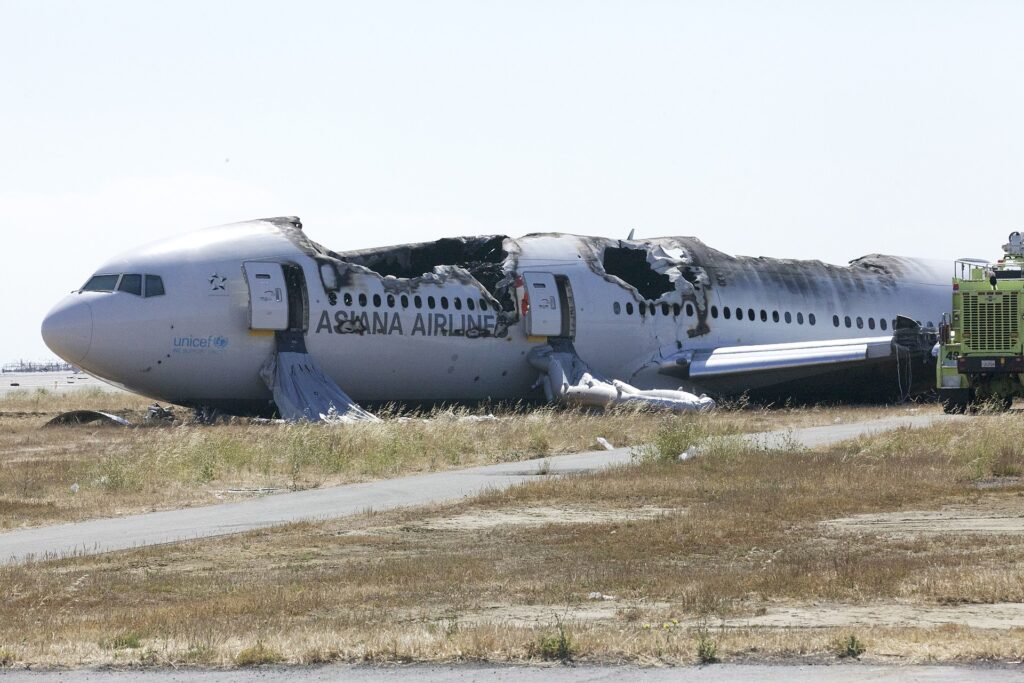
Asiana Airlines Flight 214 — The Automation They Didn’t Understand

Asiana Airlines Flight 214 struck the seawall below San Francisco International Airport’s Runway 28L threshold at 116 knots — 37 knots below approach speed — in perfect visual conditions on a clear summer day. The aircraft had every technical advantage: good weather, a functioning aircraft, a clear visual approach. None of it helped, because the

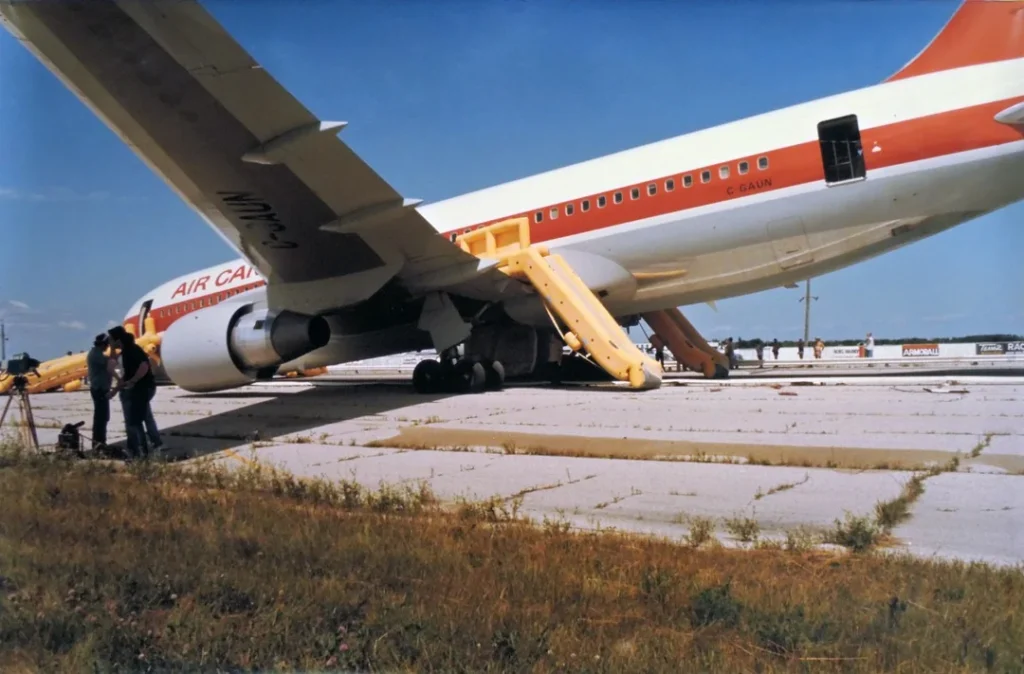
Air Canada Flight 143 — The Gimli Glider and the Unit Conversion Nobody Checked

The Gimli Glider is aviation’s most famous arithmetic error. On 23 July 1983, a brand-new Boeing 767 — Air Canada’s flagship aircraft — ran out of fuel at 41,000 feet over the Canadian prairies because its fuel load had been calculated in pounds when the calculation required kilograms. The actual fuel aboard was approximately half