Cognitive Overload in Cockpits

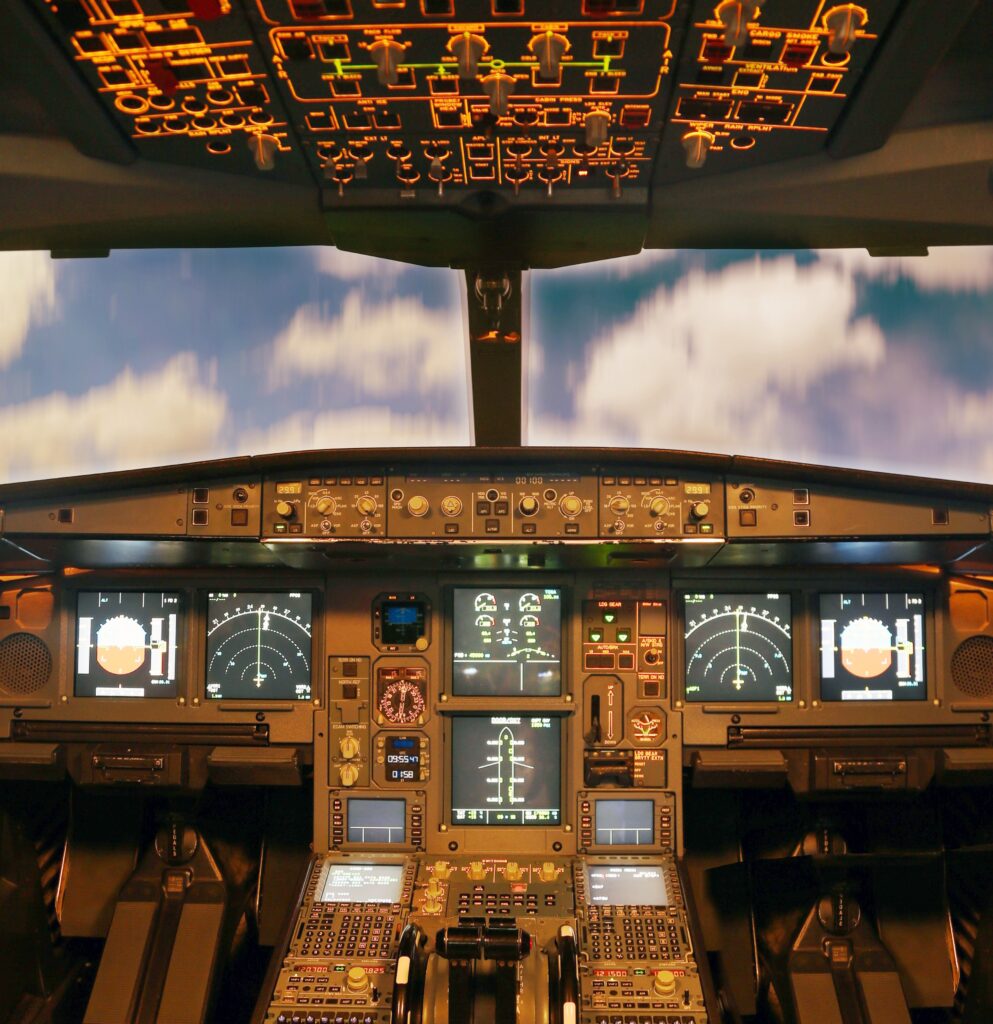
Modern cockpits are designed to provide pilots with more information than ever before. Flight data, system status, navigation inputs, automation modes, warnings—everything is available, often in real time. On paper, more information should mean better decisions. In reality, there is a limit. When that limit is exceeded, performance doesn’t improve. It degrades. This is where […]

United Air Lines Flight 232 — Hydraulics, Teamwork and the Impossible Landing

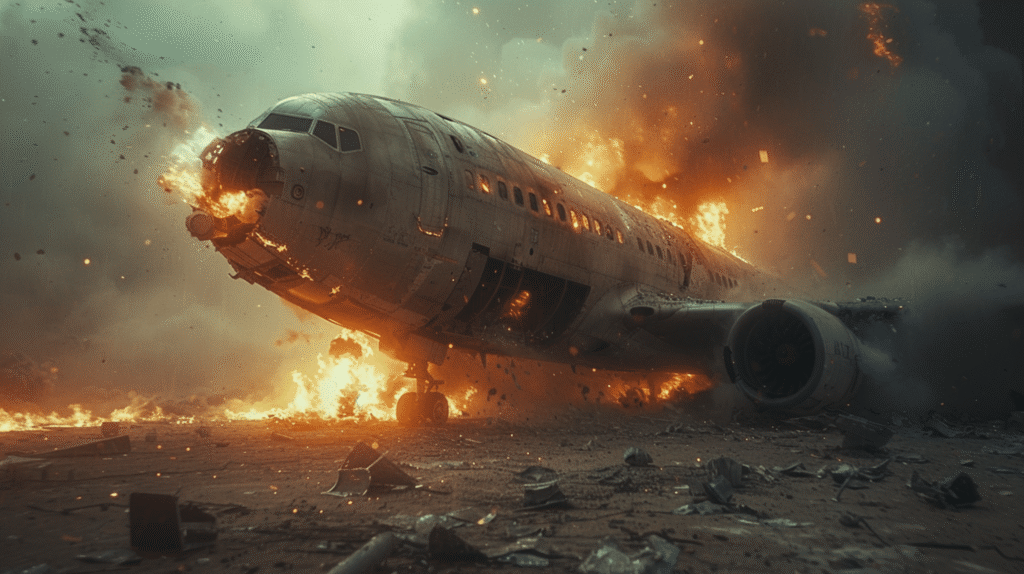
United Air Lines Flight 232 is the case study that defined what Crew Resource Management looks like when it saves lives. On 19 July 1989, a titanium fan disc in the tail-mounted Number 2 engine shattered due to an undetected metallurgical defect, sending fragments through all three of the DC-10’s independent hydraulic systems. The aircraft

Colgan Air Flight 3407: Fatigue, Training, and System Pressure

Colgan Air Flight 3407 stalled on approach to Buffalo-Niagara International Airport and crashed into a house, killing 50 people. The captain made the wrong control input in response to a stall warning — pulling back instead of pushing forward. The first officer retracted the flaps, removing lift from an aircraft already in a stall. The

Qantas Flight 32: When Systems Prevented Catastrophe

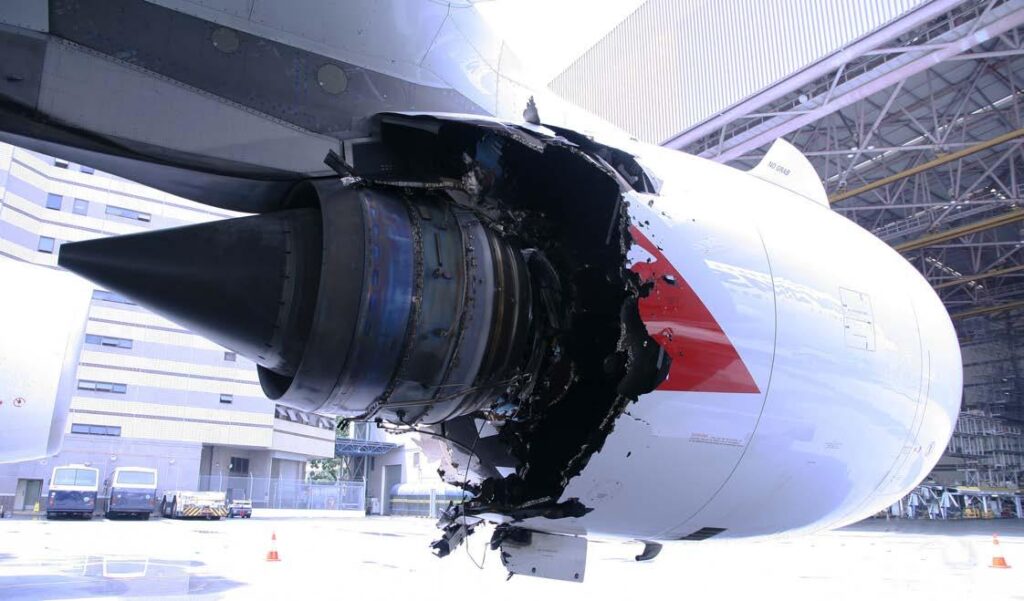
Qantas Flight 32 is often described as a “successful emergency landing.” But that description undersells what actually happened. This was not just a skilled crew handling an emergency. It was a complex interaction between: multiple system failures layered redundancy human decision-making under uncertainty and structured operational response The key outcome was not the absence of

How Risk Is Assessed in Aviation (Step-by-Step)

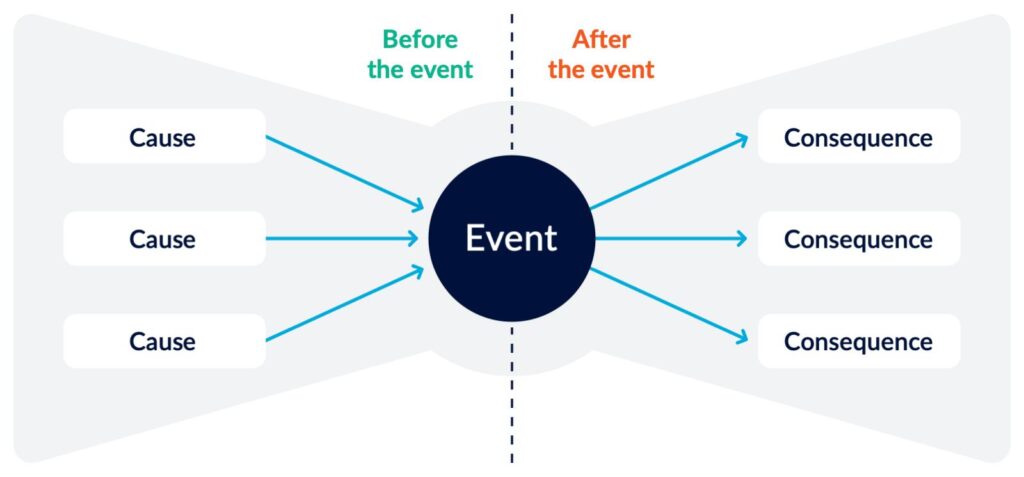
Risk assessment is one of the core processes in aviation safety management. At a surface level, it looks structured and procedural: identify hazards, assess likelihood, assign severity, and implement controls. But in reality, risk assessment is not purely mechanical. It is a structured way of dealing with uncertainty in complex systems where outcomes cannot always

Swiss Cheese Model Explained (With Aviation Examples)

The Swiss Cheese Model is one of the most widely used concepts in aviation safety. It is often shown as a simple diagram: multiple slices of Swiss cheese, each representing a layer of defence. The holes represent weaknesses. When the holes align, a hazard passes through all defences and an accident occurs. While the model

Pilot Error vs System Design: Who Is Really Responsible?

When an aviation incident occurs, the explanation often appears quickly: “Pilot error.” It is a familiar conclusion. It is also an incomplete one. In modern aviation systems, outcomes are rarely the result of a single decision made in isolation. They emerge from the interaction between human operators and the systems they are placed inside. The

Why Aviation Accidents Happen (Human Error vs System Failure)

When an aviation accident occurs, the explanation often sounds familiar: “Pilot error.” It’s simple, intuitive, and easy to communicate. But it is also incomplete. Most accidents are not caused by a single mistake. They emerge from a system—where human decisions, technology, procedures, and environmental conditions interact in ways that are not always visible until something

sammy sander detective 6677956

Accident Investigations Focus on the Final Cause Instead of System Failures

There is a very natural tendency in how we interpret accidents, incidents, and failures: we look for the moment where everything finally went wrong, and we anchor the explanation there because it gives us something clear, simple, and actionable. In aviation, engineering, healthcare, and even everyday life, that final moment often becomes the headline of

bowtieavi

Mitigations Are Not Solutions

There is a point in most safety assessments where the conversation shifts, almost subconsciously, from understanding the problem to feeling like it has been solved, and that point usually arrives the moment someone says, “we have mitigations in place.” It sounds reassuring, and in many cases it is, but it can also be slightly misleading