Case Studies

Helios Airways Flight 522 — The Switch Left in the Wrong Position

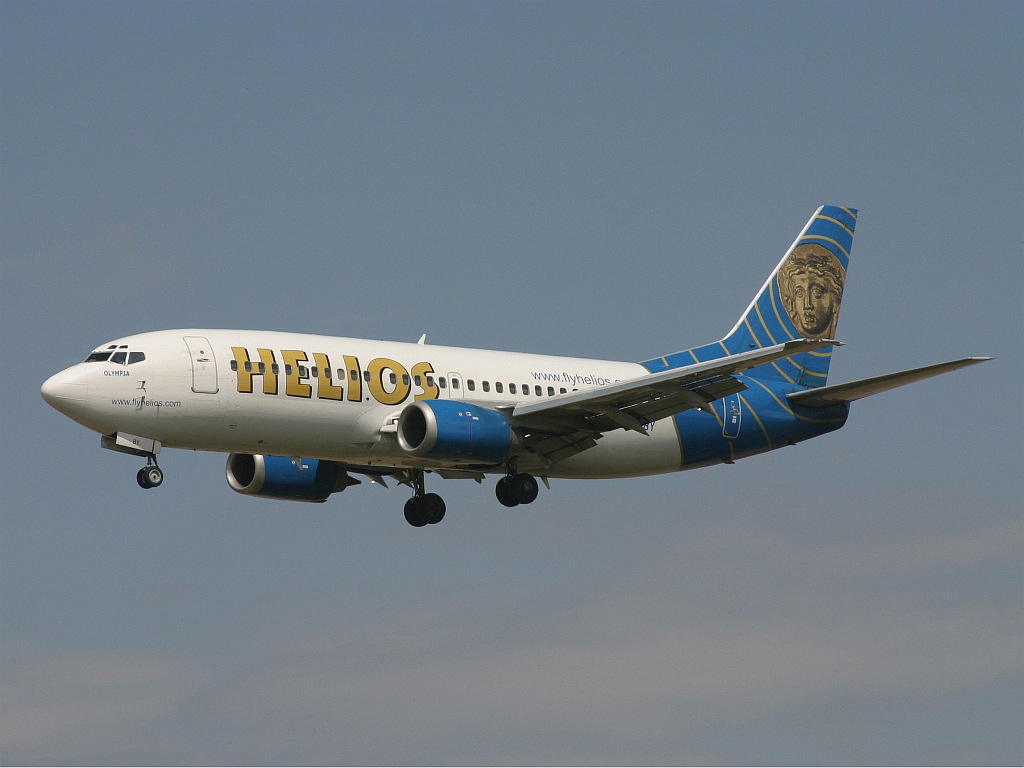
Helios Airways Flight 522 flew a ghost flight across the Aegean Sea for approximately two hours with an incapacitated crew, before a flight attendant — himself severely hypoxic — reached the cockpit in a final desperate attempt at recovery. The pressurisation mode selector had been left in the MANUAL position following a ground check the […]
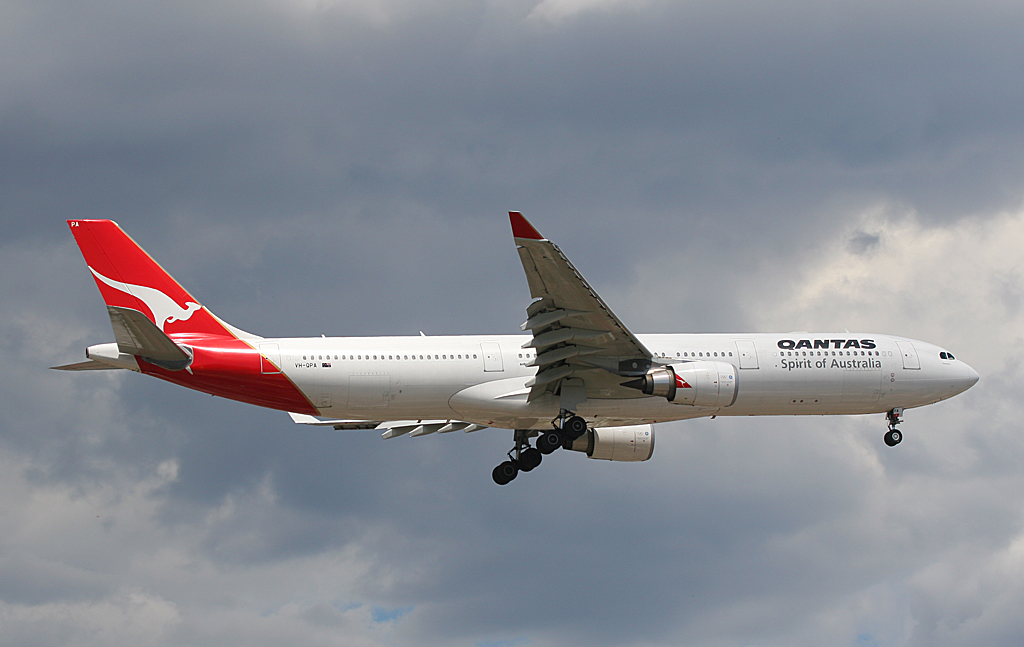
Qantas Flight 72 When the system reacted correctly to something that wasn’t real

Qantas Flight 72 experienced two uncommanded pitch-down events at cruise altitude when a faulty Air Data Inertial Reference Unit (ADIRU) transmitted false angle of attack spikes to the aircraft’s flight control computers. The computers, receiving data indicating an imminent stall, activated the pitch-down protection — exactly as designed. The data was false. The protection was

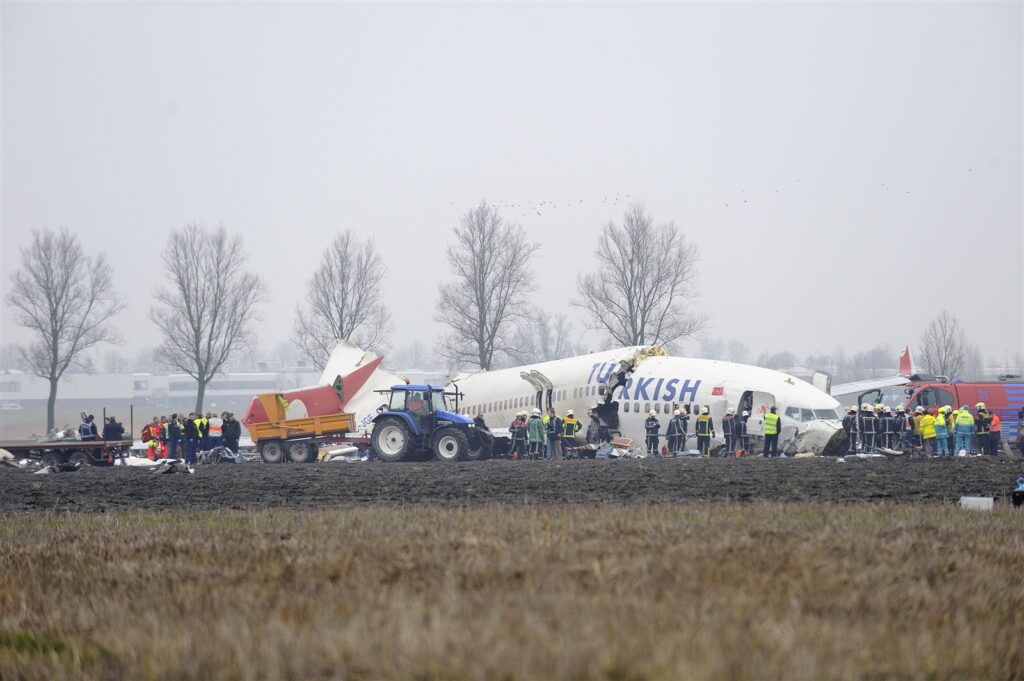
Turkish Airlines Flight 1951 — The Altimeter That Fooled the Throttle

Turkish Airlines 1951 stalled short of Amsterdam’s Runway 18R because one of the aircraft’s two radio altimeters was generating a false reading of negative eight feet — and the autothrottle responded to this false reading by reducing thrust to the idle landing setting at 1,950 feet during the approach. The crew did not detect the

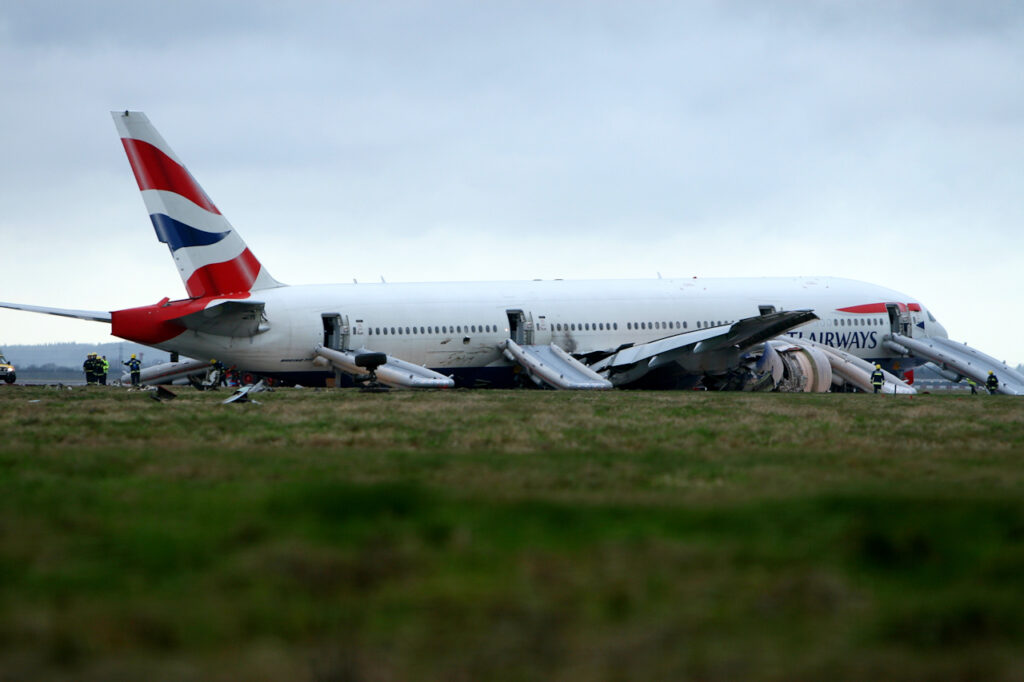
British Airways Flight 38 Accident Analysis: Engine Icing and the Limits of Automation

British Airways Flight 38 is often described as a landing accident caused by a sudden loss of engine thrust on approach to Heathrow. While technically accurate, this description does not capture the system-level behaviour that led to the event. From a systems perspective, this incident demonstrates how gradual environmental degradation can interact with automated control

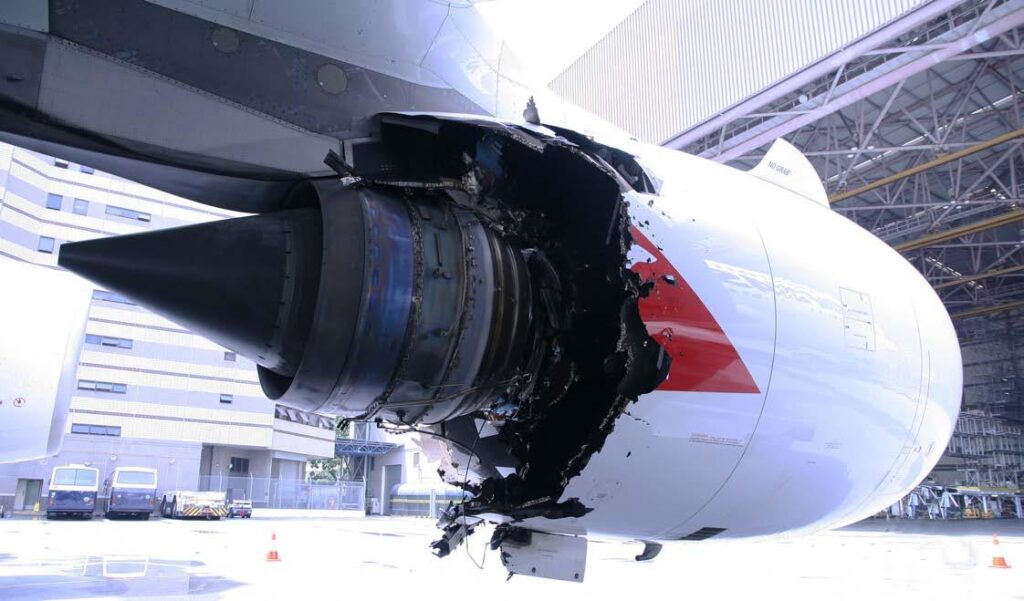
Qantas Flight 32 Accident Analysis: How Aircraft Systems Contain Cascading Failures

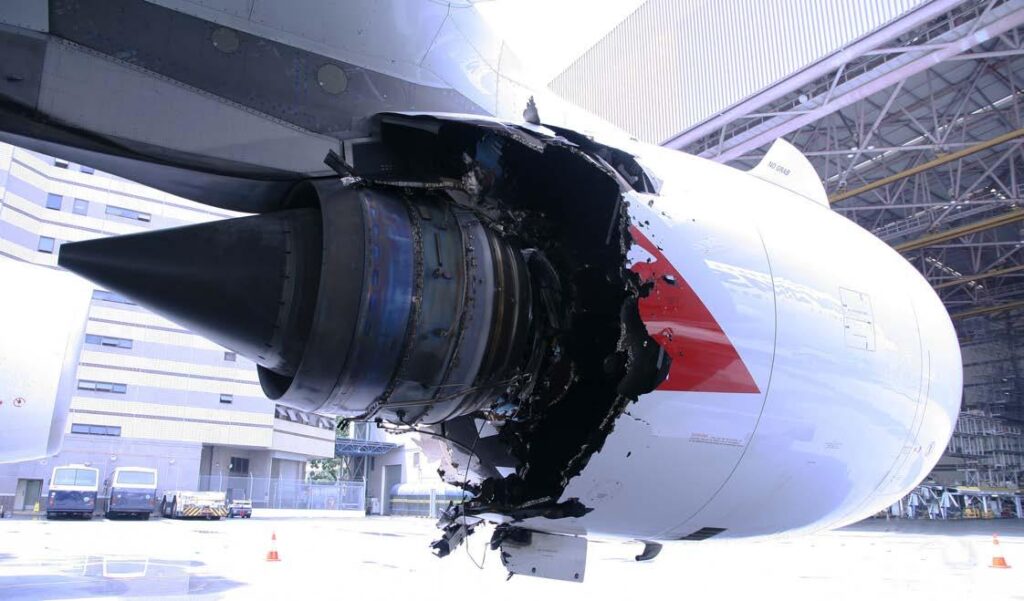
Qantas Flight 32 is aviation’s most important positive case study after US Airways 1549. On 4 November 2010, an Airbus A380 experienced an uncontained engine failure in its Number 2 engine shortly after departure from Singapore. The failure was catastrophic. A disc fragment from the intermediate pressure turbine exited through the engine casing, penetrating the

United Air Lines Flight 232 — Hydraulics, Teamwork and the Impossible Landing

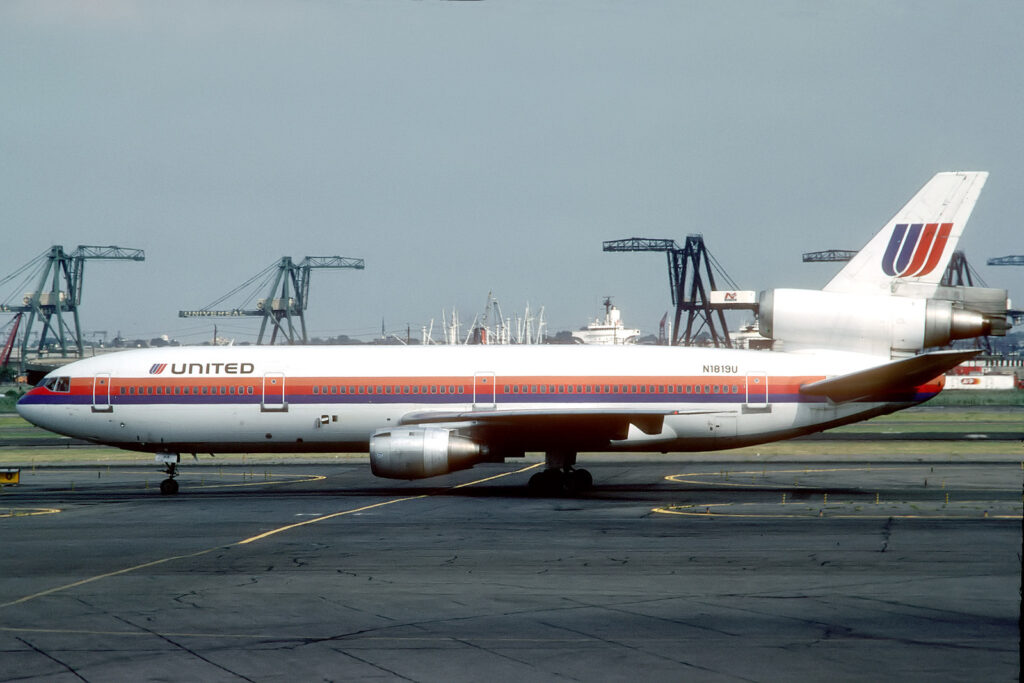
United Air Lines Flight 232 is the case study that defined what Crew Resource Management looks like when it saves lives. On 19 July 1989, a titanium fan disc in the tail-mounted Number 2 engine shattered due to an undetected metallurgical defect, sending fragments through all three of the DC-10’s independent hydraulic systems. The aircraft

Colgan Air Flight 3407: Fatigue, Training, and System Pressure

Colgan Air Flight 3407 stalled on approach to Buffalo-Niagara International Airport and crashed into a house, killing 50 people. The captain made the wrong control input in response to a stall warning — pulling back instead of pushing forward. The first officer retracted the flaps, removing lift from an aircraft already in a stall. The

Qantas Flight 32: When Systems Prevented Catastrophe

Qantas Flight 32 is often described as a “successful emergency landing.” But that description undersells what actually happened. This was not just a skilled crew handling an emergency. It was a complex interaction between: multiple system failures layered redundancy human decision-making under uncertainty and structured operational response The key outcome was not the absence of

airtranj

Air Transat 236: The Flight That Shouldn’t Have Turned Around

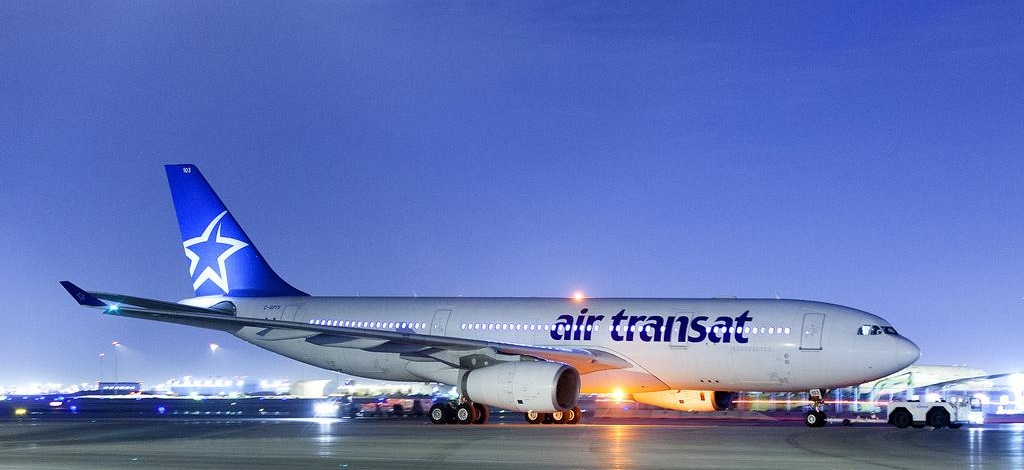
Air Transat Flight 236 ran out of fuel over the Atlantic Ocean approximately 120 miles from the Azores, descended from 39,000 feet as a fully loaded A330 glider, and landed on a military runway with no hydraulic pressure, minimum braking, and all engines shut down. All 306 people on board survived. Eight were seriously injured