The Event
- 26 June 1988: Captain Michel Asseline performs a demonstration flight at Mulhouse-Habsheim air show
- The planned manoeuvre is a slow, low pass at approximately 100 feet and 160 knots
- The pass is lower and slower than planned — approximately 30 feet and 160 knots at the display point
- At the end of the display run, Asseline applies full go-around thrust and raises the nose
- The A320 climbs — but not fast enough to clear the trees at the end of the display area
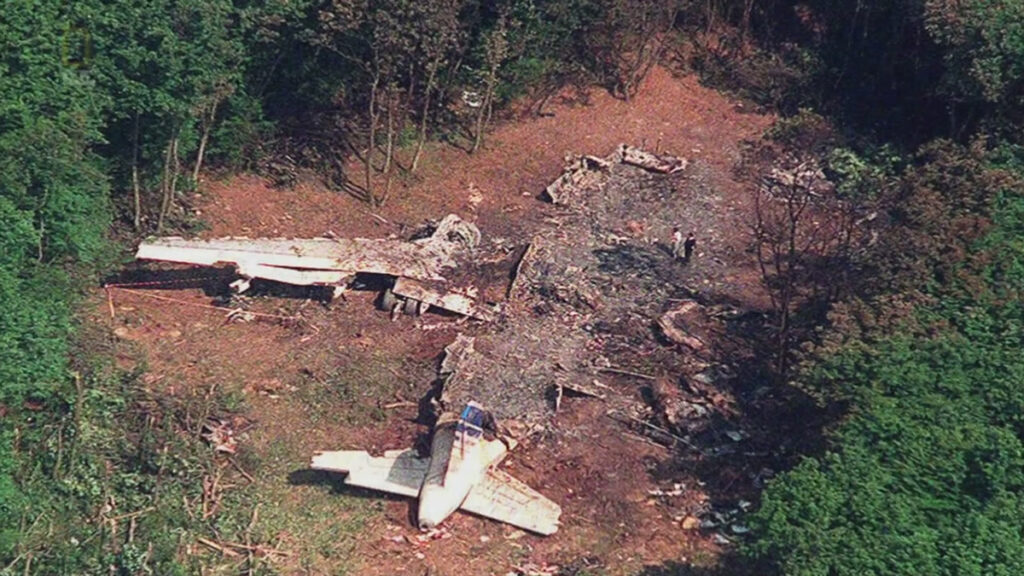
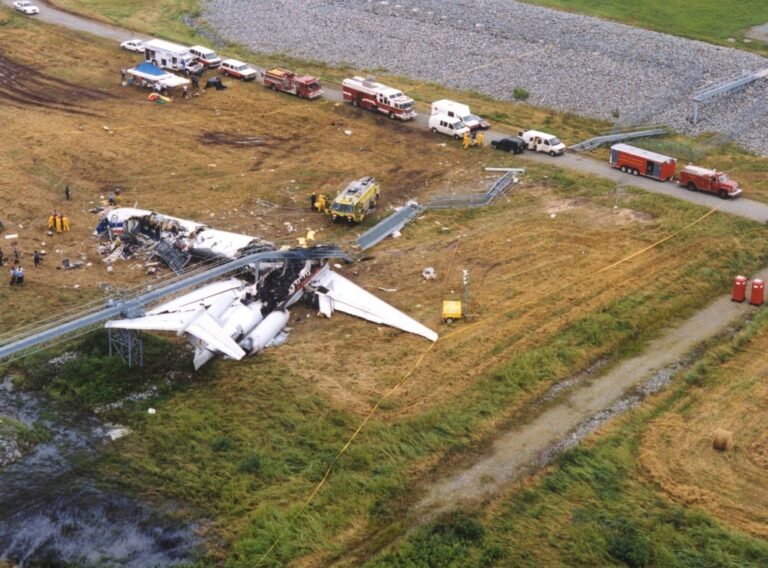
- The aircraft strikes the trees; the aircraft skids into the forest and burns
- 3 passengers die; most of the 133 others escape
- The flight data recorder subsequently becomes the subject of intense technical and legal dispute
Captain Asseline was eventually convicted of involuntary manslaughter in France. He disputed the accuracy of the flight data recorders and maintained that the aircraft’s computers had prevented his recovery. Analysis by multiple independent organisations concluded that the computers did not prevent recovery — but that the recovery, at the height and speed involved, was marginal even with perfect system response.
Systems Engineering Perspective
From a systems engineering perspective, AF 296 is the case that introduced the concept of automation at the boundaries of the design envelope to commercial aviation. The A320’s fly-by-wire system was designed to protect the aircraft from exceedances of its flight envelope. The question the accident posed was: at low altitude, low speed, and low power, how does that protection interact with a maximum-performance recovery demand?
The A320 at Habsheim was flying in a regime — low, slow, idle power — that was legal, certifiable, and simultaneously near the boundary of what the protection system was designed to manage. The accident happened in the gap.
The A320 Fly-By-Wire System — Protection at the Margins
The Airbus A320’s fly-by-wire system provides several layers of envelope protection in Normal Law. Alpha protection prevents the aircraft from exceeding the maximum angle of attack. Alpha floor activates maximum thrust automatically when the system detects an impending stall. Load factor protection prevents structural overstress.
These protections operate continuously and are designed to prevent exceedances regardless of crew input. In the high-demand, low-margin scenario at Habsheim, the interaction between the crew’s go-around input and the system’s response to the low airspeed, low altitude, and high angle of attack produced a recovery trajectory that was at the absolute limit of what was achievable.
Fly-by-wire protection systems are designed to prevent envelope exceedances. They cannot create energy that does not exist. At Habsheim, the energy margin for recovery was marginal regardless of system behaviour.
Engine Spool-Up Time — Physics, Not Software
One of the most important technical findings from the Habsheim investigation was the relevance of engine spool-up time. The CFM56 engines on the A320, running at flight idle during the low pass, required several seconds to spool up to full go-around thrust after the throttle advance.
During those seconds — estimated at approximately 2-3 seconds — the aircraft had significantly reduced thrust available. The recovery trajectory during spool-up was shallower than the final recovery trajectory. The trees arrived during this shallow phase.
Engine spool-up time is a property of the engine, not of the fly-by-wire system. It would have applied regardless of the aircraft’s automation architecture.
Engine spool-up time is a physical constant, not a design choice. A low-altitude, high-drag configuration with idle thrust provides minimal recovery margin during the spool-up period.
The Altitude and Speed Choice — Inside the Envelope, Outside the Margin
The planned pass altitude was approximately 100 feet at 160 knots. The actual pass was approximately 30 feet at 160 knots — significantly lower than planned. At 30 feet, the available altitude for recovery was dramatically reduced. The crew had planned for 100 feet of recovery margin. They had approximately 30 feet.
Human Factors Perspective
The human factors dimension of AF 296 centres on two questions: whether the crew’s mental model of the A320’s capabilities was accurate, and whether the specific failure was in crew decision-making, system behaviour, or the interaction between the two.
The Mental Model of Fly-By-Wire Protection
Captain Asseline’s subsequent statements suggested a belief that the A320’s fly-by-wire system would provide a margin of safety at low altitude — that the aircraft would not let itself fly into trees. This mental model, if it existed, would reflect the ‘automation will save me’ assumption that is one of the documented failure modes of fly-by-wire system operation.
The A320’s protections prevent stall, structural overstress, and extreme attitude. They do not prevent controlled flight into terrain at a speed that does not trigger any protection. The aircraft was not about to stall at Habsheim. It was about to fly into trees.
Fly-by-wire protection prevents specific aerodynamic and structural exceedances. It does not prevent every possible negative outcome. A crew whose mental model includes ‘the system will prevent this’ for outcomes outside the protection scope has an inaccurate mental model.
Air Show Context — Performance Expectations and Risk Tolerance
Display flying creates a specific psychological context: performance is expected, risk tolerance is elevated, and the social and professional rewards for a dramatic low pass are immediate and visible. The risk of an inadequate recovery margin is probabilistic and deferred. This is the psychology of risk homeostasis — the tendency to accept higher risk when the visible performance goal is high.
Display flying in transport aircraft requires specific, conservative procedures precisely because the normal operational context has been removed and replaced with one where risk tolerance is structurally elevated.
System Interaction Breakdown
1. Altitude Margin Insufficient for Recovery
Thirty feet provided insufficient altitude for the recovery manoeuvre at the speed and configuration of the pass. The planned margin of 100 feet might have been sufficient. The actual margin of 30 was not.
2. Engine Spool-Up Consumed the Remaining Margin
The 2-3 second spool-up period from idle to go-around thrust produced a shallow initial climb trajectory. The trees were encountered during this shallow phase.
3. Automation Mental Model Uncertainty
Whether the crew’s belief in the A320’s protective capabilities contributed to the late recognition of insufficient recovery margin remains disputed. The technical analysis does not fully resolve it.
Significance in Aviation Risk
1. Automation Surprise Identified
AF 296 introduced the concept of automation surprise — the pilot’s experience of an automated system behaving other than expected — to aviation human factors research and training.
2. FBW Philosophy Training
Type rating training for fly-by-wire aircraft was revised to include explicit instruction on what the protections do and do not prevent, and on the interaction between protection system behaviour and recovery margin at the boundaries of the flight envelope.
3. Display Flying Procedures for Transport Aircraft
Air show flying procedures for transport aircraft were significantly tightened following AF 296, with mandatory minimum altitudes, approach speeds, and performance margins for display manoeuvres.
Related Aviation Risk Lab Content
Pillar Pages
Automation and Technology: Automation And Technology
Human Factors: Human Factors
Design and Certification: Design And Certification
Related Case Studies
Case Study 20: Air France 447 — When the Automation Stopped: Af 447
Case Study 24: XL Airways 888T — When the Test Flight Flew Into the Sea: Xl Airways 888t
Case Study 21: Asiana 214 — The Automation They Didn’t Understand: Asiana 214
Closing Perspective
Air France 296 is the case where the aircraft and the crew and the automation were all operating at the absolute margin of what was achievable — and that margin proved insufficient by approximately 60 feet of altitude and 2 seconds of engine spool-up time.
The legal and technical controversy surrounding this accident has never been fully resolved. The human factors and systems engineering implications are clearer: display flying in transport aircraft requires margins that normal operations do not, fly-by-wire protections have boundaries that the crew must understand, and automation cannot create energy that physics has not provided.
The three deaths at Habsheim drove a decade of research into human-automation interaction that has made every crew operating fly-by-wire aircraft better prepared for the gap between what the automation does and what the crew expects.
AF 296 is the case that produced the concept of automation surprise. Understanding what automation will and will not do — at every phase of flight — is now a core element of FBW type rating.