The Event
- Conflict in eastern Ukraine between Ukrainian forces and Russian-backed separatists has been ongoing for months
- Multiple Ukrainian military aircraft have been shot down in the conflict zone in the preceding weeks
- Ukrainian civil aviation authority closes airspace below FL320 — assessing that the threat does not extend higher
- ICAO publishes the FL320 restriction
- Airlines continue to use FL330 routes over eastern Ukraine — a common routing on the Europe-Asia corridor
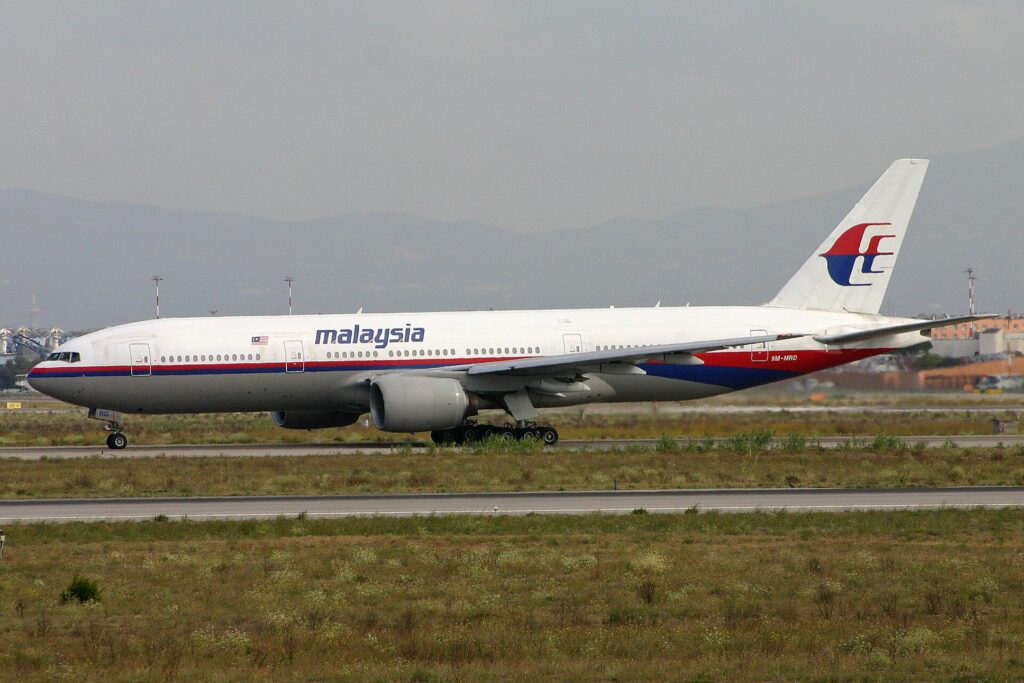
- 17 July 2014: MH17 cruises at FL330 on a scheduled service from Amsterdam to Kuala Lumpur
- At 13:20 UTC, a Buk SA-11 missile system — transferred from Russian military stocks to separatists — fires
- The warhead detonates adjacent to the cockpit area
- The aircraft breaks apart immediately at FL330
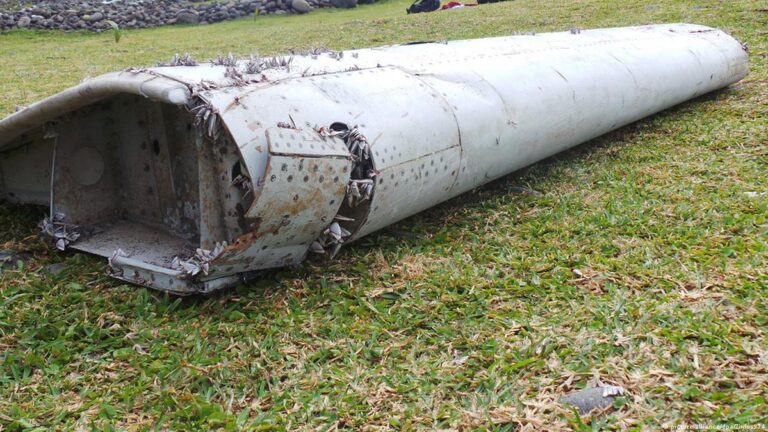
- All 298 die; wreckage falls over a 50km² area of eastern Ukraine controlled by separatist forces
The Dutch Safety Board’s investigation confirmed the Buk missile as the cause. The Joint Investigation Team subsequently identified the specific Buk system, traced it to the 53rd Anti-Aircraft Missile Brigade of the Russian Armed Forces, and identified individual suspects. Criminal proceedings continue.
Systems Engineering Perspective
From a systems engineering perspective, MH17 reveals a conflict zone airspace risk assessment framework that was inadequate for the actual threat environment. The assessment was based on an intelligence picture of weapon capabilities that underestimated the ceiling of the weapons system actually present in the conflict zone.
Conflict zone airspace risk assessment must be based on the most capable weapon system that could plausibly be in the conflict zone — not the weapon systems that have been documented as present. The Buk was not documented as present until it shot down MH17.
The Weapon Ceiling Assessment — The Critical Error
The Ukrainian civil aviation authority’s decision to close airspace below FL320 was based on an assessment that the separatist forces possessed weapons with a maximum effective ceiling below civil cruising altitude. This assessment was based on the documented weapons that had been observed in use — primarily man-portable air-defence systems (MANPADS) with limited altitude reach.
The Buk SA-11 system has an effective ceiling that exceeds FL500. It had been transferred to the separatists from Russian military stocks and was present in the conflict zone. It had not been positively identified by Ukrainian intelligence as present in the zone at the time the airspace restriction was set.
The airspace assessment was based on the weapon ceiling of the documented threat. The actual threat ceiling was dramatically higher.
A threat assessment based on documented weapon systems provides no protection against undocumented ones. Conflict zone airspace safety requires threat assessment based on the most capable weapons that could plausibly be present — not the ones that have been confirmed present.
Civil Airspace Over Active Military Conflict — A Systemic Risk
Civil aircraft operating over an active military conflict zone are potentially in the engagement envelope of weapons used by both parties. The standard framework for managing this risk — NOTAM publication of affected airspace with altitude restrictions — relies on the accuracy of the altitude restriction.
When the altitude restriction is based on an inaccurate weapon ceiling assessment, the NOTAM provides false assurance. Airlines routing through FL330 over eastern Ukraine had been given official assurance that the airspace was safe. That assurance was wrong.
A NOTAM that restricts airspace to the documented threat altitude provides safety only if the documented threat altitude is correct. When it is wrong, the NOTAM is actively misleading.
Multiple Preceding Military Aircraft Shootdowns
In the weeks before MH17, multiple Ukrainian military aircraft had been shot down over eastern Ukraine, some at altitudes approaching FL300. This pattern of shootdowns was public information and was known to aviation authorities and airlines. The escalating pattern should have prompted reassessment of the airspace restriction. It did not.
Human Factors Perspective
The human factors analysis of MH17 is a threat assessment and risk decision-making case study. The crew and the airline operated in good faith on published official airspace information. The failures that mattered were in the offices of aviation authorities and intelligence agencies.
The Airline Route Decision
Multiple airlines were routing through FL330 over eastern Ukraine on the day of the shootdown. Some had already rerouted away from the conflict zone on operational safety grounds. MH17’s routing decision — based on published safe airspace — was within the framework of available official information. The framework was wrong.
Airlines that reroute around conflict zones ahead of official guidance demonstrate that operational risk assessment can be more precautionary than regulatory risk assessment. Both are part of the safety system.
Intelligence-to-Civil-Aviation Pipeline
Intelligence about weapon systems in a conflict zone is collected by military and intelligence services. Its translation into civil aviation airspace restrictions involves multiple agencies across multiple countries. MH17 demonstrated that this pipeline was too slow and too narrow to keep pace with the evolving threat environment.
System Interaction Breakdown
1. Airspace Restriction Based on Incorrect Weapon Ceiling
FL320 restriction assumed a weapon ceiling below civil cruising altitude. The actual weapon ceiling exceeded FL500.
2. Pattern of Military Shootdowns Not Triggering Reassessment
Preceding military aircraft shootdowns did not trigger a reassessment of the civil airspace restriction.
3. Intelligence-Civil Aviation Gap
Information about Buk system presence in the conflict zone did not reach civil aviation authorities in time to change the airspace restriction.
Significance in Aviation Risk
1. ICAO Conflict Zone Airspace Risk Assessment Protocol
ICAO developed new protocols for conflict zone airspace risk assessment following MH17, incorporating intelligence community input into the civil aviation risk assessment process.
2. Conflict Zone Information Repository
ICAO established the Conflict Zone Information Repository (CZIR) to share conflict zone threat information with operators, enabling individual airline risk assessments independent of official airspace restrictions.
3. Airline Conflict Zone Risk Assessment
Airlines were required to conduct their own conflict zone risk assessments, not rely solely on NOTAM publications, for routes through or near active conflict zones.
Related Aviation Risk Lab Content
Pillar Pages
Risk Assessment: Risk Assessment
Safety Engineering: Safety Engineering
ATC and Communications: Atc And Communications
Related Case Studies
Case Study 37: Air India 182 — The Baggage That Nobody Screened: Air India 182
Case Study 38: Pan Am 103 — Lockerbie: Pan Am 103
Case Study 55: MH370 — The Aircraft Nobody Could Find: Mh370
Closing Perspective
MH17 is the case that established that civil airspace over active military conflict is not safe by default — its safety must be actively assessed, continuously reviewed, and based on the maximum weapon capability that could plausibly be present, not the documented capability of identified systems.
The 298 people who died over eastern Ukraine died because the airspace restriction was based on an assessment that underestimated the threat. The assessment was made in good faith, with available information. The information was insufficient. The consequence was unsurvivable.
The ICAO conflict zone protocols, the CZIR, and the airline conflict zone risk assessment requirements that followed MH17 are the systemic responses to a systemic failure. They will not prevent every future threat. They will make future threat assessments more accurate, and future route decisions better informed.
MH17 established that conflict zone airspace restriction altitude must be based on the most capable plausible weapon, not the confirmed weapon. The cost of that lesson was 298 lives.