The Swiss Cheese Model is one of the most widely used concepts in aviation safety.
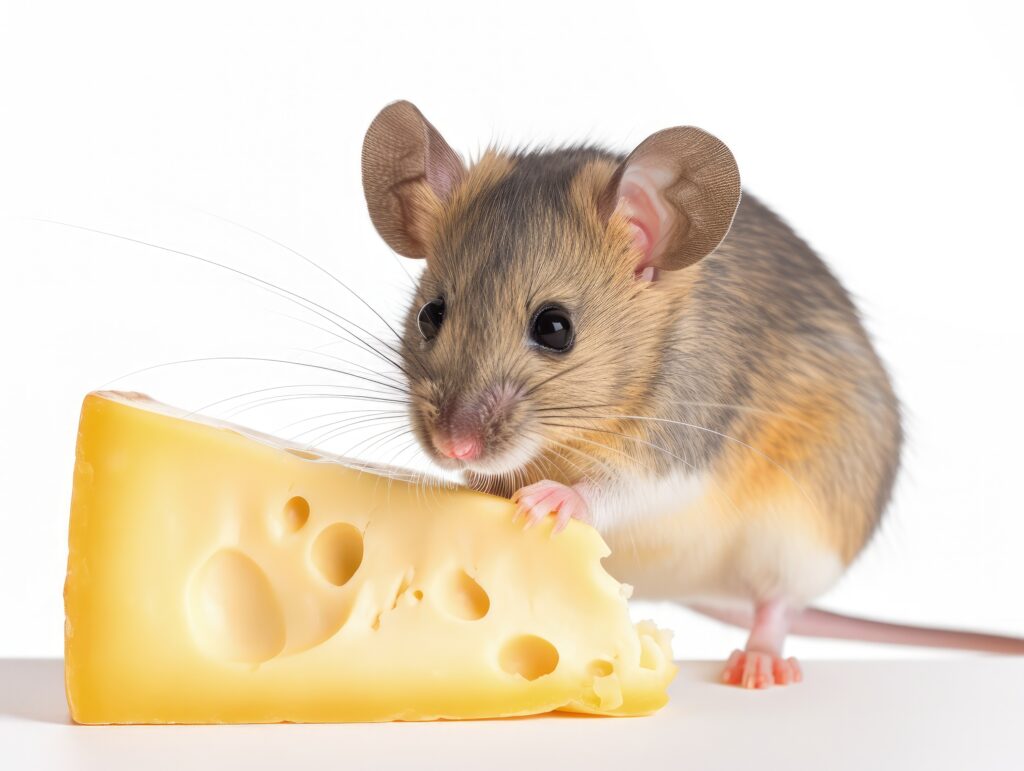
It is often shown as a simple diagram: multiple slices of Swiss cheese, each representing a layer of defence. The holes represent weaknesses. When the holes align, a hazard passes through all defences and an accident occurs.
While the model is simple, its implications are often misunderstood.
It is not just a diagram about failure—it is a way of thinking about how complex systems behave under real operational conditions.
What the Swiss Cheese Model Actually Represents
In aviation, safety is not dependent on a single barrier. It is built from multiple layers, such as:
- procedures
- training
- technology
- supervision
- regulations
- human performance
Each layer is designed to catch or mitigate errors before they lead to an accident.
However, no layer is perfect.
Each contains weaknesses—“holes”—which may include:
- design limitations
- human variability
- organisational pressure
- environmental conditions
On their own, these weaknesses are usually harmless.
The risk emerges when they align across multiple layers at the same time.
How Accidents Occur in the Model
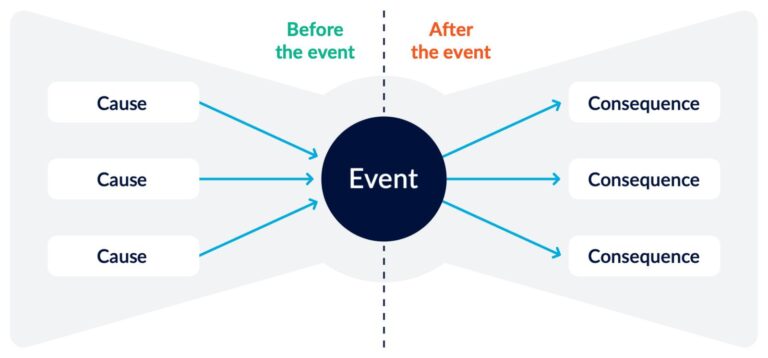
An accident is not the result of one failure.
It occurs when:
multiple independent weaknesses line up in a way that allows a hazard to pass through every barrier.
For example:
- A procedure is unclear (latent condition)
- A crew misinterprets a system warning (human factor)
- A backup system does not activate as expected (technical limitation)
- Time pressure limits recovery options (operational factor)
Individually, none of these guarantee failure.
Together, they can.
Aviation Example: Layered Breakdown
Consider a simplified scenario:
Layer 1: Training
A crew is trained on abnormal system behaviour, but rarely exposed to edge cases.
Layer 2: Procedure Design
The checklist assumes a clear warning signal that is actually ambiguous in practice.
Layer 3: Automation
The system behaves differently depending on flight phase, creating inconsistent feedback.
Layer 4: Operational Pressure
The flight is behind schedule, increasing workload and reducing cognitive bandwidth.
Each layer has “holes.”
When these conditions overlap in the same moment, the system’s defences weaken significantly.
The accident is not caused by a single failure—it is the alignment of multiple system vulnerabilities.
What the Model Gets Right
The Swiss Cheese Model is useful because it:
- moves focus away from single-point blame
- highlights system redundancy
- encourages layered safety thinking
- helps explain why defences sometimes fail simultaneously
It reinforces a key idea in aviation safety:
accidents are rarely caused by one error alone
Where the Model Is Often Misused
Despite its usefulness, the model is frequently oversimplified.
Common misunderstandings include:
1. Thinking layers are static
In reality, systems are dynamic. The “holes” change over time based on workload, environment, and context.
2. Assuming independence between layers
In real systems, layers often influence each other. A failure in one layer can increase vulnerability in another.
3. Treating it as a complete explanation
The model describes alignment of failures, but it does not fully explain why those weaknesses exist or persist.
Modern aviation systems are more interconnected than the model suggests.
A Systems Thinking Extension
A more modern interpretation goes beyond simple alignment.
It considers:
- feedback loops between systems
- organisational pressure shaping procedures
- automation influencing human behaviour
- adaptation of operators to system constraints
In this view, “holes” are not random—they are often systematically produced.
Why It Still Matters
Even with its limitations, the Swiss Cheese Model remains valuable because it introduces a critical shift in thinking:
safety is not about eliminating error in one place—it is about managing it across multiple layers.
This is still foundational to aviation risk management.
Conclusion
The Swiss Cheese Model is a simplified representation of a complex reality.
It helps explain how multiple small weaknesses can align to produce a serious outcome.
However, it should not be treated as a complete explanation of safety or failure. Instead, it is best viewed as an entry point into systems thinking—where accidents are understood not as isolated events, but as the result of interacting conditions across an entire system.