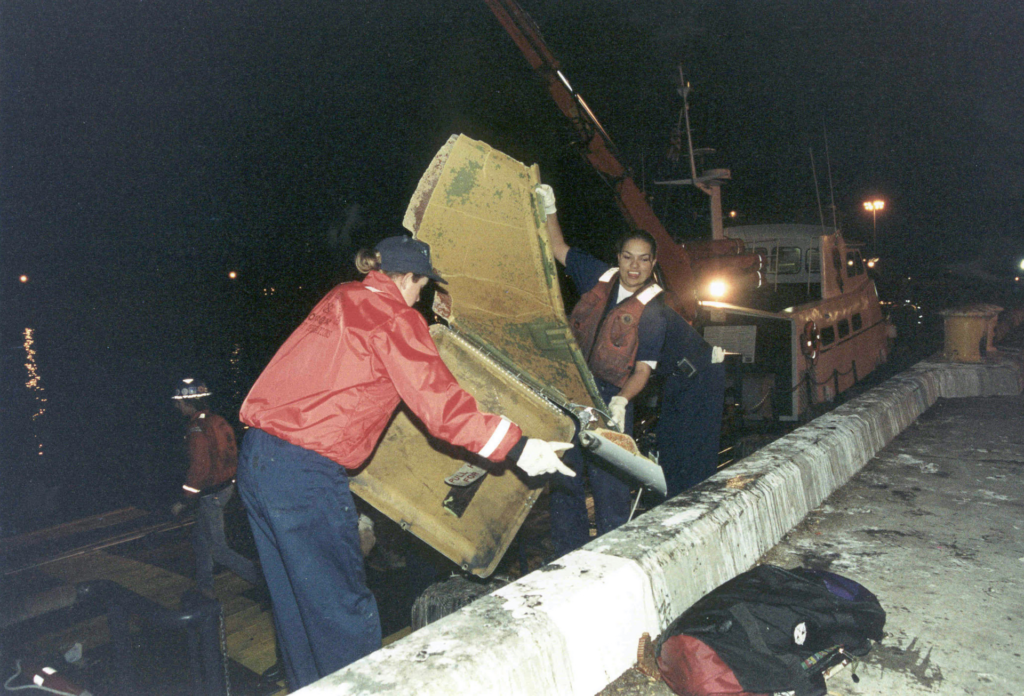
Alaska Airlines Flight 261 — The Jackscrew That Was Never Lubricated

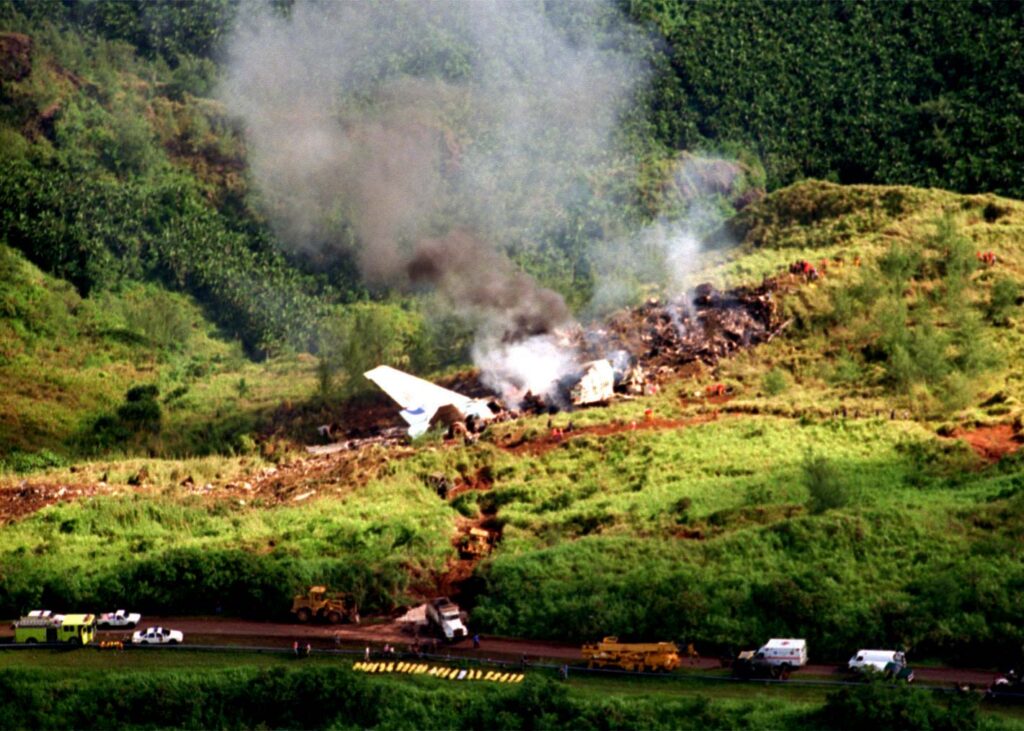
Alaska Airlines 261 plunged into the Pacific Ocean when the jackscrew assembly controlling its trimmable horizontal stabiliser stripped its final threads, causing the stabiliser to deflect to the full pitch-down position. The aircraft entered an inverted dive and struck the ocean at high speed. All 88 people on board died. The jackscrew had worn to […]
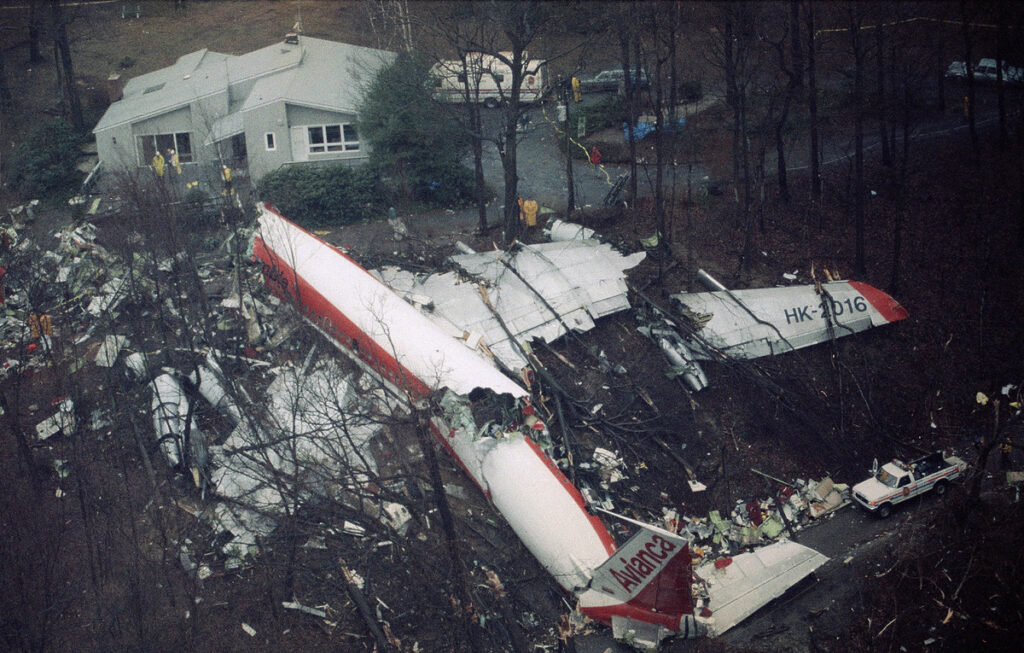
Avianca Flight 052 — Fuel, Holding and the Language Barrier That Costs Lives

Avianca Flight 052 ran out of fuel and crashed short of JFK Airport on the evening of 25 January 1990, after flying for four and a half hours from Bogotá — three of those hours holding over the congested New York metropolitan area in weather-delayed conditions. The crew communicated their fuel concern to ATC. They

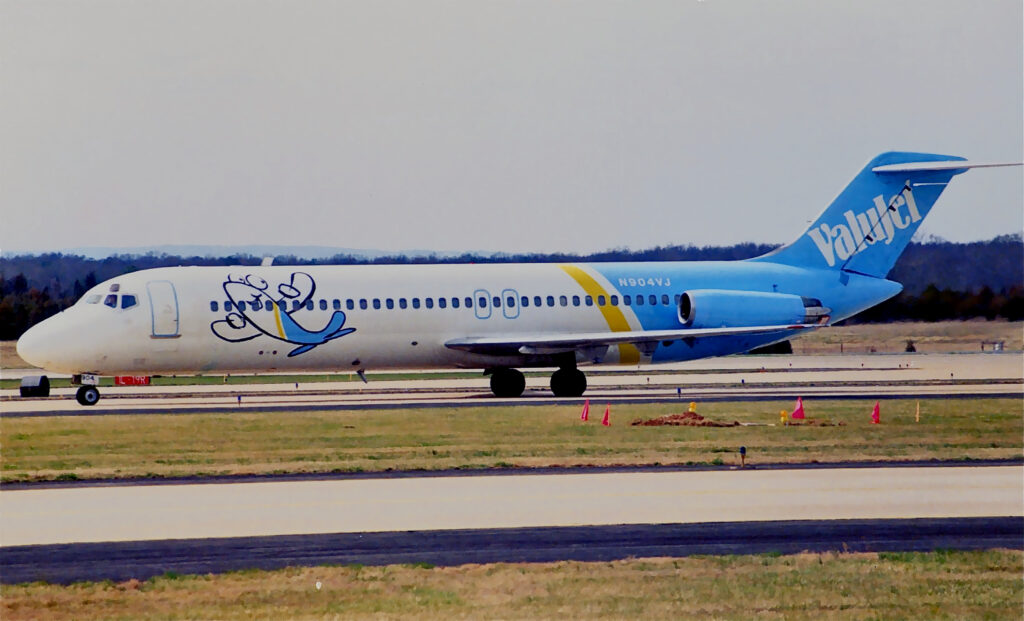
ValuJet Flight 592 — The Oxygen Generators in the Hold

ValuJet 592 crashed into the Florida Everglades six minutes after takeoff because chemical oxygen generators that should never have been on that aircraft were loaded in the forward cargo hold, mislabelled as empty, missing their safety caps, and placed adjacent to tyres. When they activated, they started a fire. When the fire took hold, the

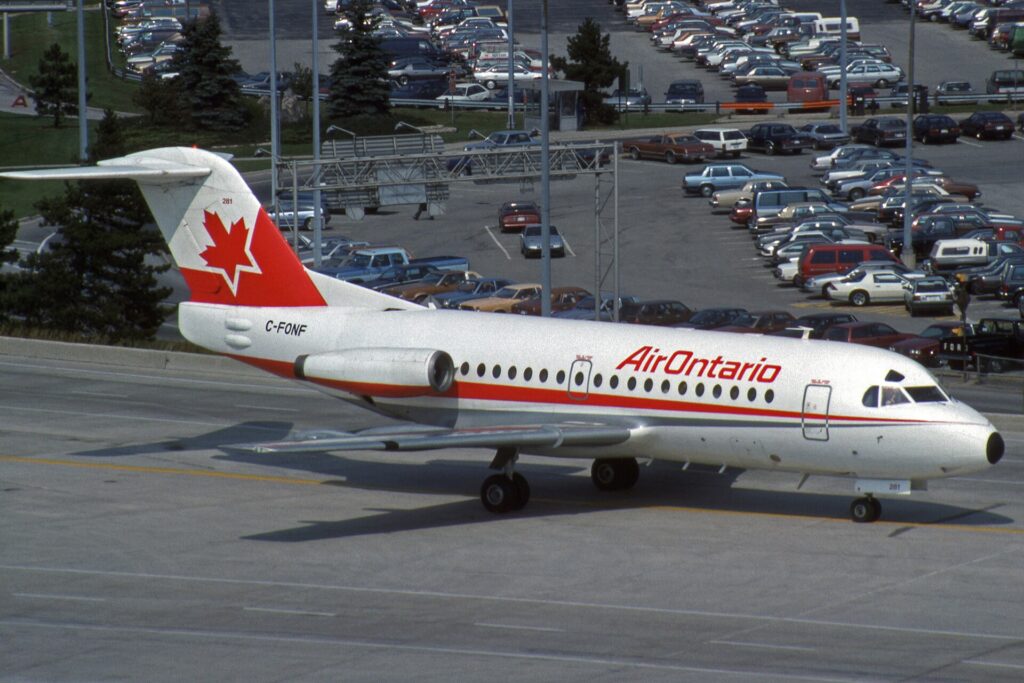
Air Ontario Flight 1363 — Ice, Engine Economics and the Go Decision

Air Ontario 1363 is the de-icing accident that went deepest into the organisational system. An aircraft departed Dryden Airport with ice and snow on the wing upper surface. The crew knew it. A passenger saw it and told the flight attendant. The flight attendant knew it. And the aircraft still departed — not because the

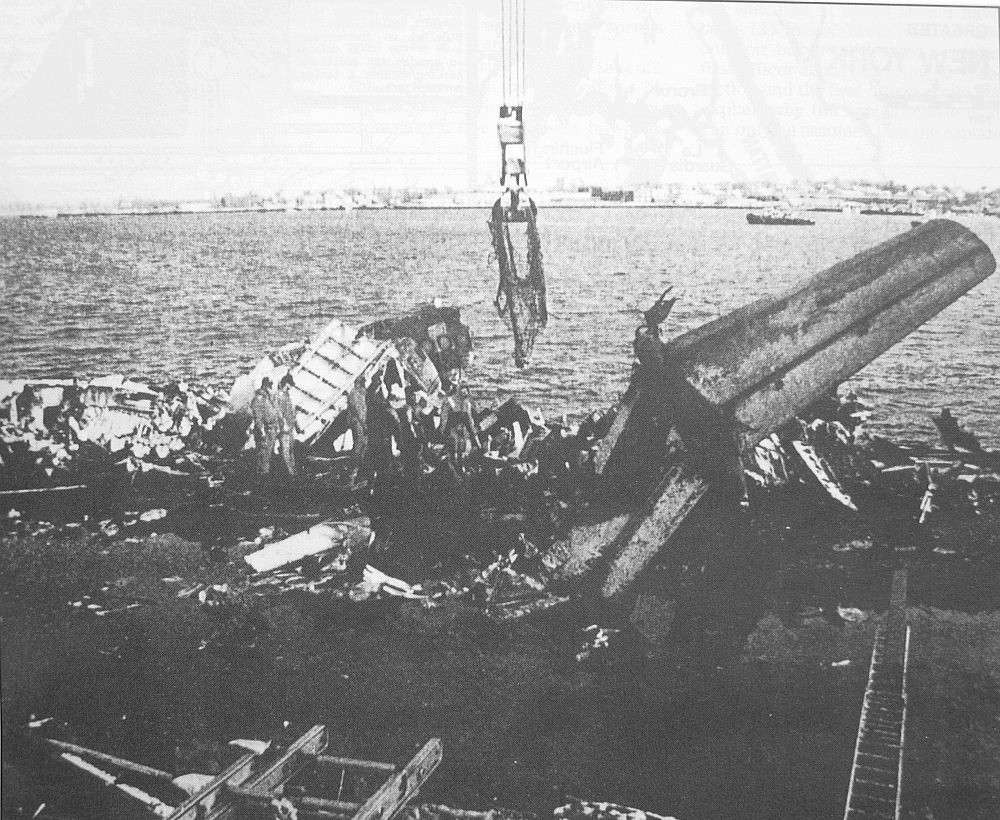
USAir Flight 405 — The Contaminated Wing at LaGuardia

USAir 405 crashed into Flushing Bay at the end of LaGuardia’s Runway 13 in freezing rain, killing 27 people. The aircraft had been de-iced — correctly, by qualified personnel, using approved materials. It had then sat on the ground for 35 minutes in active freezing rain, waiting for takeoff clearance. During that wait, freezing rain

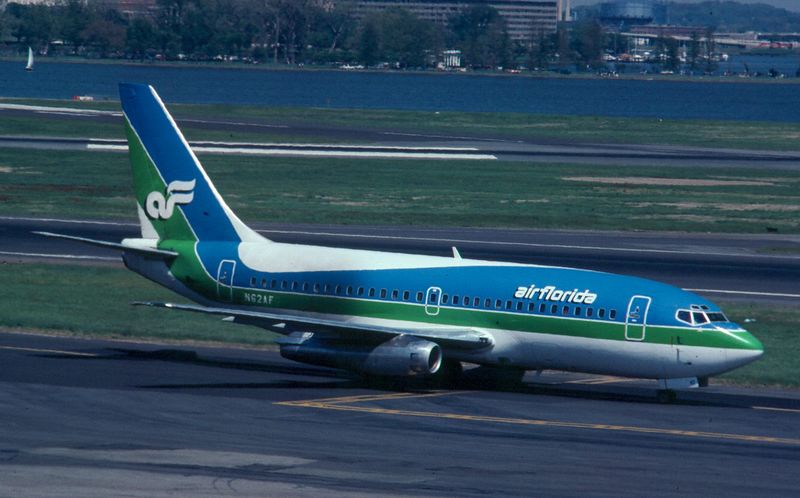
Air Florida Flight 90 — Ice, Complacency and the Decision Not to Wait

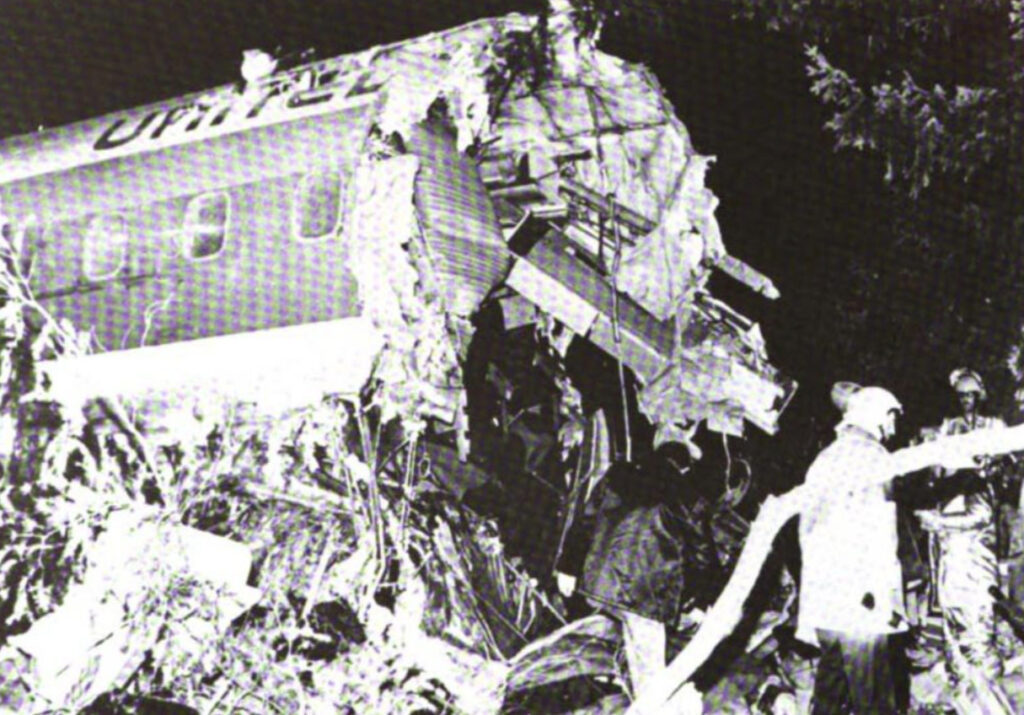
Air Florida Flight 90 is the case study that defines the de-icing failure scenario. On a bitterly cold January afternoon at Washington National Airport, a Boeing 737 departed with ice-contaminated wings, engine anti-ice switches in the OFF position, and EPR gauges reading incorrectly high due to iced-over engine inlet probes. Thirty seconds after rotation, the

TWA Flight 800 — The Fuel Tank That Sparked in the Dark

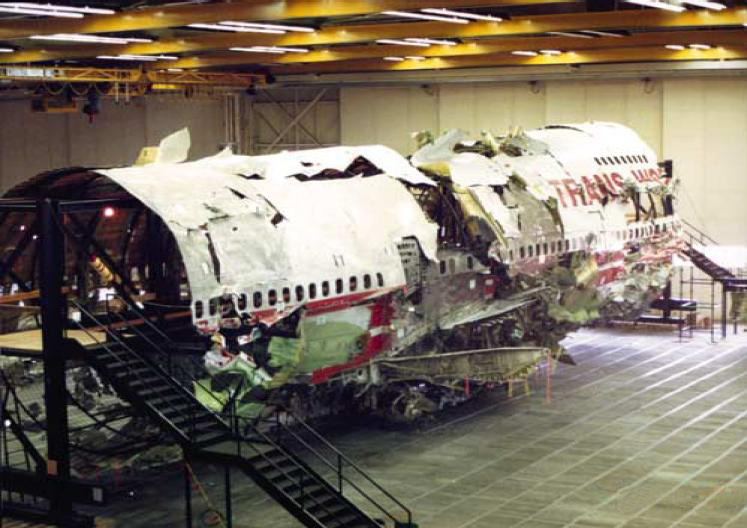
TWA Flight 800 exploded at 13,700 feet over the Atlantic Ocean twelve minutes after departing JFK, killing all 230 people on board. The centre wing fuel tank — nearly empty, heated by hours of ground operation, its vapour concentration within the explosive range — was ignited by an arc fault in the fuel quantity indicating

American Airlines Flight 96 — The Door That Nearly Did It First

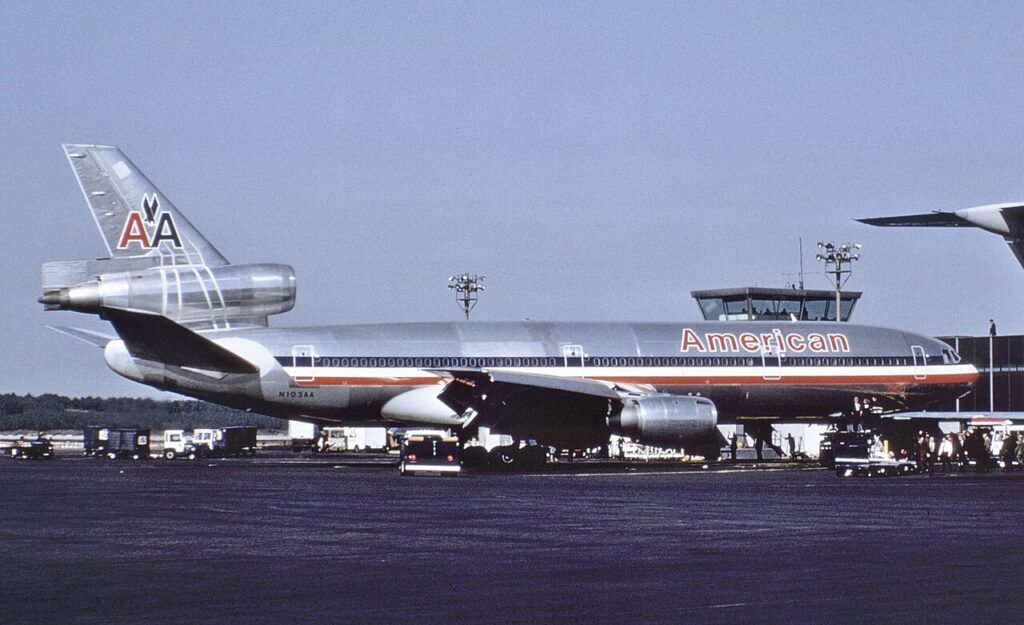
American Airlines Flight 96 is the accident that should have prevented THY 981. On 12 June 1972, two years before 346 people died over Paris, the identical cargo door failure mode caused the same aft cargo door to blow out on the same aircraft type over Windsor, Ontario. The floor partially collapsed. The control cables