The Event
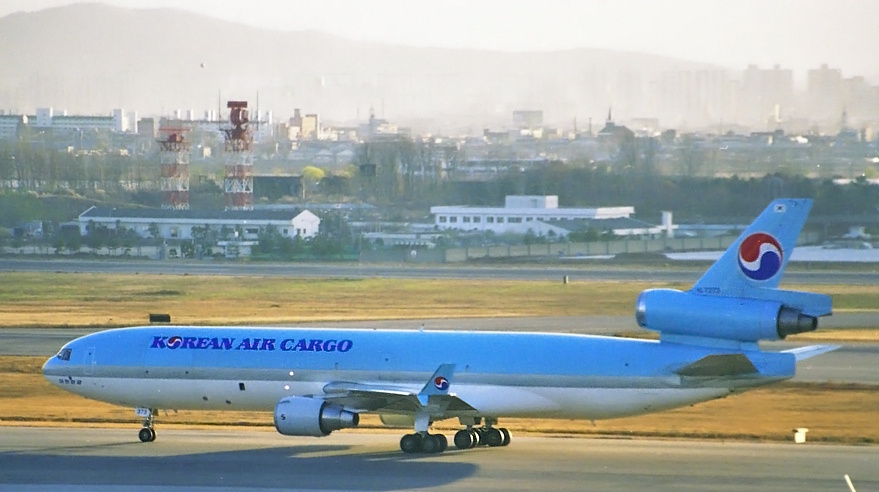
- KE 6316 prepares for departure from Shanghai Hongqiao, a congested urban airport
- A Chinese domestic airliner is cleared to land on the same runway that KE 6316 is cleared to depart
- Communication errors — compounded by language and frequency management challenges — result in KE 6316 receiving a takeoff clearance while a landing aircraft is on the runway
- The crew begin the takeoff roll
- The crew receive information that the runway is occupied — either from ATC or their own visual acquisition — and initiate a rejected takeoff
- The rejection is initiated at a speed and runway position beyond the Accelerate-Stop Distance Available
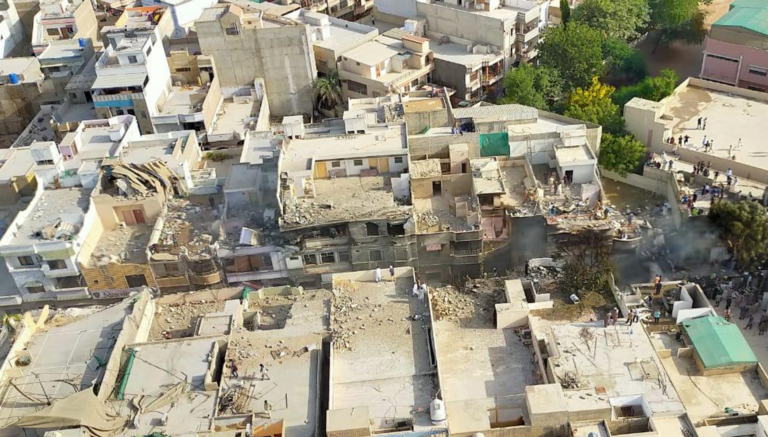
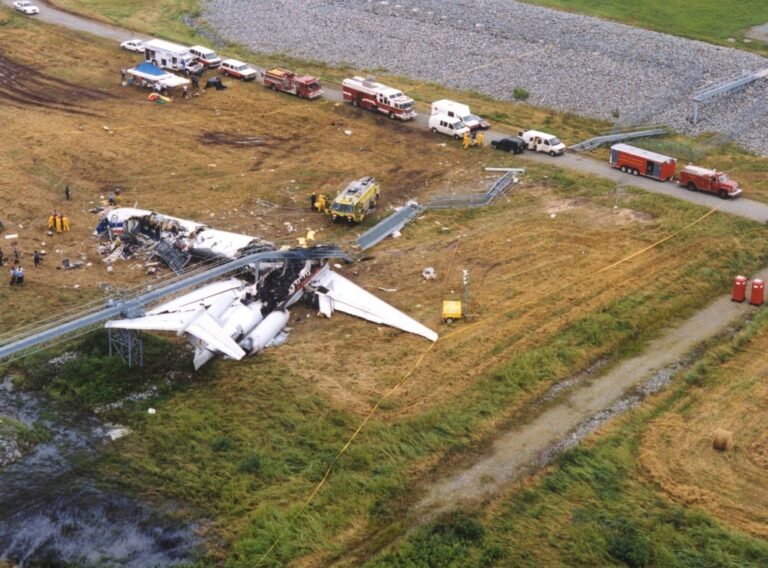
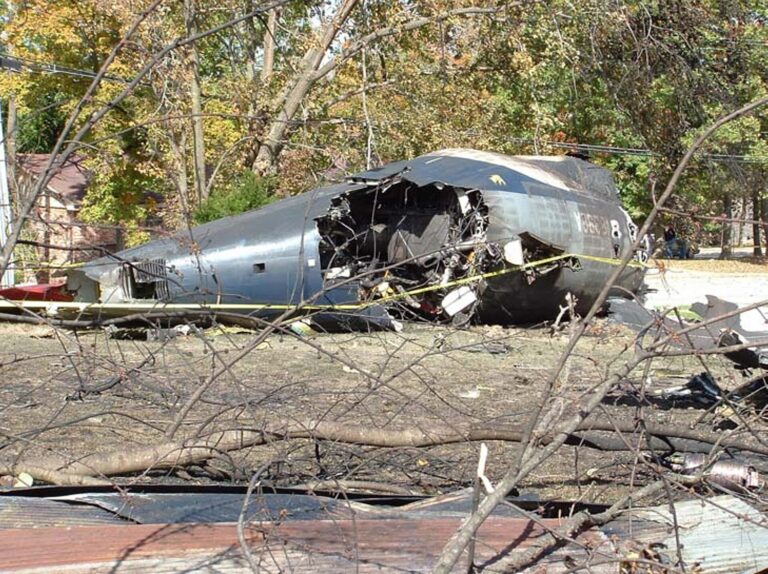
- The aircraft overruns the runway end and impacts ground structures
- All 3 crew and 5 people on the ground die
The investigation identified communication management between Chinese ATC and the Korean crew as a contributing factor. The congested airspace at Hongqiao and the management of simultaneous arrivals and departures on intersecting or the same runway were systemic vulnerabilities.
Systems Engineering Perspective
From a systems engineering perspective, Korean Air 6316 is a runway incursion and communication failure that produced a high-speed rejected takeoff — a scenario in which the decision to reject was correct but the point at which the decision was made was beyond the physical envelope for stopping.
A correct decision to reject a takeoff made beyond the aircraft’s accelerate-stop distance is not a safe decision — it is a decision with a correct rationale and an unsurvivable outcome. V1 exists precisely to prevent this scenario.
The V1 Concept — Why the Decision Point Exists
V1 is the maximum speed at which a takeoff can be safely rejected and the aircraft stopped on the available runway. Beyond V1, the physics of braking distance, runway remaining, and aircraft speed make stopping on the runway impossible. V1 is not a recommendation — it is a physical boundary.
When a crew receives information that the runway is occupied at or beyond V1, they face an impossible choice: continue the takeoff (potentially toward another aircraft) or reject (potentially unable to stop). The correct procedure — continue the takeoff if at or past V1 — assumes that the available runway ahead is clear enough to take off from. When it is not, there is no safe option.
V1 is the point beyond which rejecting the takeoff cannot save the aircraft. The decision to reject beyond V1 is not wrong in intent. It is wrong in physics.
ATC Communication Failure — Two Clearances on One Runway
The root cause was an ATC communication management failure that resulted in two aircraft being cleared for conflicting operations on the same runway simultaneously. This is a runway incursion scenario that recurs across the accident record — from Tenerife (the deadliest) to KE 6316 — and that ATC communication standards, ground surveillance systems, and runway incursion alerting systems are specifically designed to prevent.
Human Factors Perspective
The human factors analysis centres on the crew’s decision-making under time pressure when they received information that the runway was occupied during the takeoff roll.
The Reject Decision Under Time Pressure
The crew’s decision to reject was instinctively and ethically correct — they had been given incorrect information, the runway was occupied, and stopping seemed like the right response. The problem is that V1 physics do not accommodate instinct or ethics. The only safe response beyond V1 in a runway incursion scenario — counterintuitively — may be to continue the takeoff and attempt to clear or avoid the obstruction.
The V1 continue-or-reject discipline is one of the most cognitively difficult trained responses in aviation — because ‘continue when the runway is occupied’ is instinctively wrong, yet physically correct beyond V1.
Language and Communication Complexity at Hongqiao
Hongqiao Airport managed a mix of domestic Chinese operations (in Mandarin) and international operations (in English) across a congested movement area. The communication complexity of this environment — multiple frequencies, multiple languages, high traffic density — contributed to the clearance error.
System Interaction Breakdown
1. Two Aircraft Cleared for Conflicting Runway Operations
ATC communication management resulted in simultaneous clearances for conflicting operations on the same runway.
2. Reject Initiated Beyond Stopping Distance
The rejection was initiated at a speed and runway position beyond which stopping was physically possible.
3. Language Management at High-Density Airport
Multi-language ATC operations at a congested airport contributed to the communication management failure.
Significance in Aviation Risk
1. Runway Incursion Prevention Systems
Korean Air 6316 contributed to the broad international focus on runway incursion prevention — ground radar, runway status lights, and improved ATC coordination procedures.
2. V1 Decision Training
The accident reinforced the training imperative for V1 decision discipline — particularly the counterintuitive requirement to continue the takeoff beyond V1 even when the runway ahead appears occupied.
Related Aviation Risk Lab Content
Pillar Pages
ATC and Communications: Atc And Communications
Human Factors: Human Factors
Systems Engineering: Systems Engineering
Related Case Studies
Case Study: Tenerife — When a System Has No More Margins Left: Tenerife 1977
Case Study: PSA 182 — The Mid-Air No Radar Could Prevent: Psa 182
Case Study: Überlingen — When Two Systems Trusted the Same Idea: Uberlingen Mid Air Collision
Closing Perspective
Korean Air 6316 is a runway incursion accident that became a high-speed rejected takeoff accident. The ATC communication failure created an impossible situation. The crew’s response — reject — was the wrong response for the right reason. Beyond V1, the physics had already determined the outcome.
V1 discipline is one of aviation’s most important trained behaviours. It is also one of the hardest to maintain in practice, because it requires the crew to continue a takeoff when instinct says stop. Korean Air 6316 is among the cases that demonstrate why the training exists.
KE 6316 is the proof that a correct instinct — stop if the runway is occupied — can be physically wrong beyond V1. The training exists because the physics are indifferent to instinct.