
Safety Engineering

How Risk Is Assessed in Aviation (Step-by-Step)

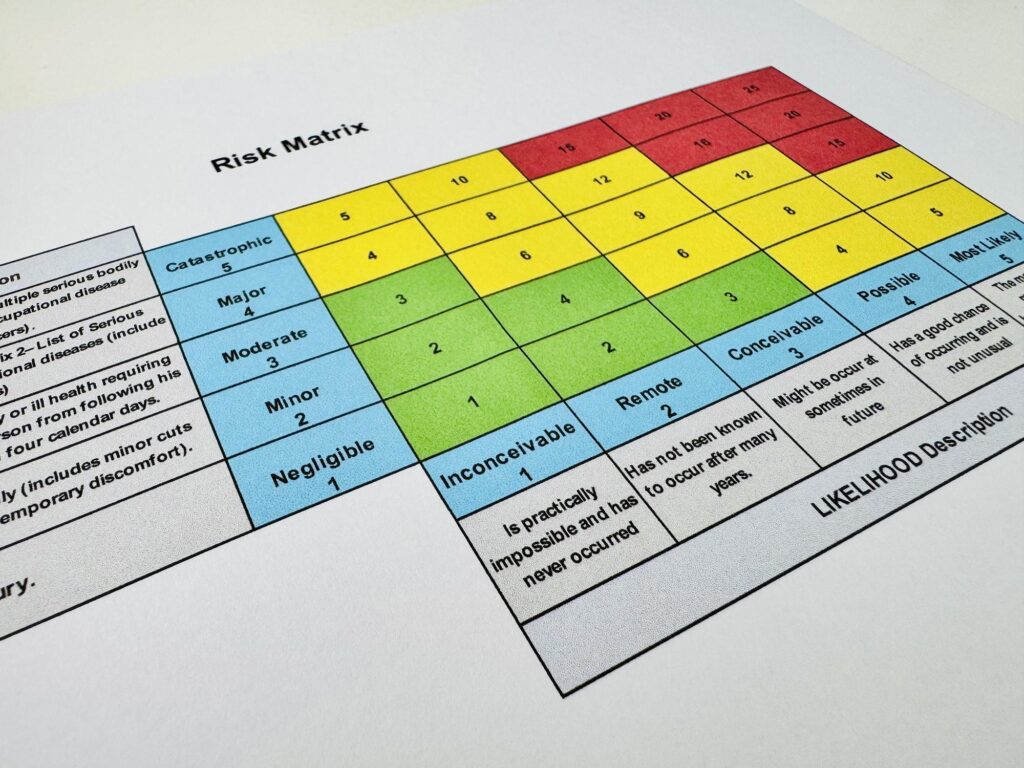
Risk assessment is one of the core processes in aviation safety management. At a surface level, it looks structured and procedural: identify hazards, assess likelihood, assign severity, and implement controls. But in reality, risk assessment is not purely mechanical. It is a structured way of dealing with uncertainty in complex systems where outcomes cannot always […]
Swiss Cheese Model Explained (With Aviation Examples)

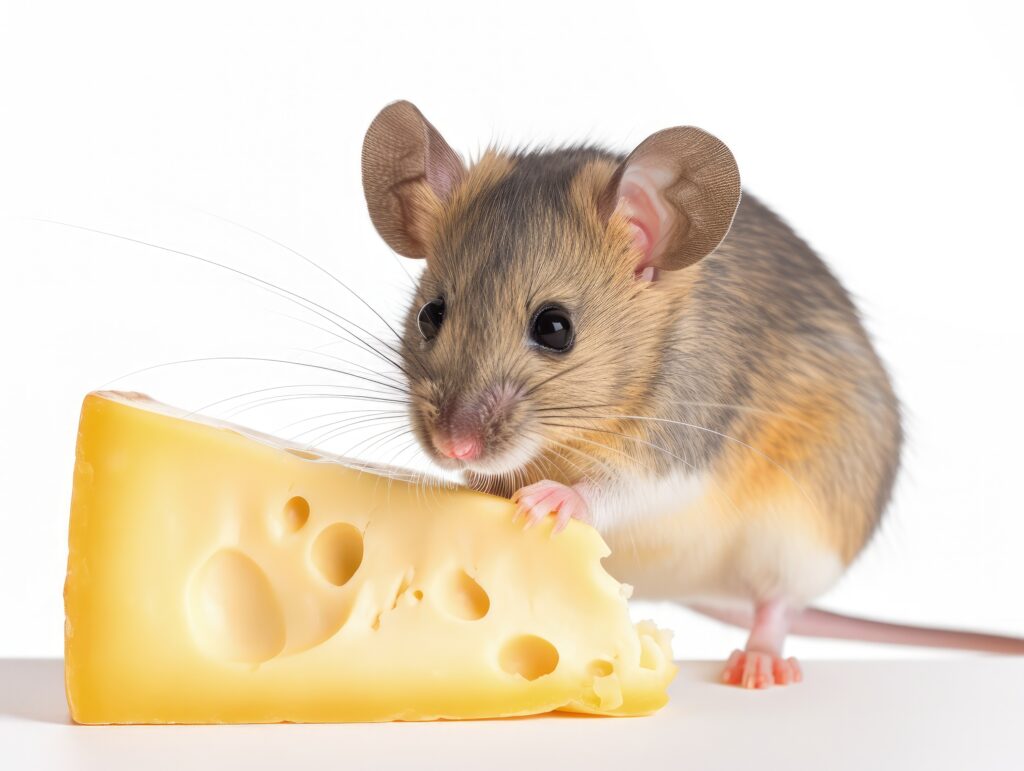
The Swiss Cheese Model is one of the most widely used concepts in aviation safety. It is often shown as a simple diagram: multiple slices of Swiss cheese, each representing a layer of defence. The holes represent weaknesses. When the holes align, a hazard passes through all defences and an accident occurs. While the model

Why Aviation Accidents Happen (Human Error vs System Failure)

When an aviation accident occurs, the explanation often sounds familiar: “Pilot error.” It’s simple, intuitive, and easy to communicate. But it is also incomplete. Most accidents are not caused by a single mistake. They emerge from a system—where human decisions, technology, procedures, and environmental conditions interact in ways that are not always visible until something

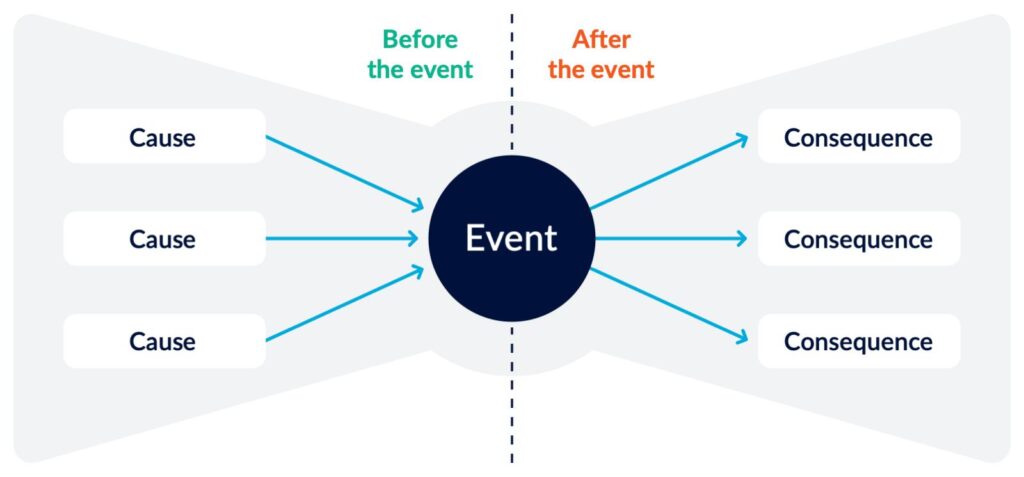
bowtieavi

Mitigations Are Not Solutions

There is a point in most safety assessments where the conversation shifts, almost subconsciously, from understanding the problem to feeling like it has been solved, and that point usually arrives the moment someone says, “we have mitigations in place.” It sounds reassuring, and in many cases it is, but it can also be slightly misleading

riskasssessment

From Hazards to Risk: The Basics of Risk Understanding

If you spend any amount of time around safety engineering, you will hear the same words repeated over and over again—hazard, risk, severity, likelihood—to the point where they start to feel almost interchangeable, as though everyone shares the same understanding simply because the terminology is familiar. The reality is a bit less tidy than that.

software

Software vs Hardware: Assurance Levels Explained

There was a time when most aviation safety discussions were grounded firmly in the physical world, where structures, engines, and mechanical systems dominated the conversation, and where failure could be understood through deformation, fracture, or wear, all of which followed patterns that engineers had spent decades learning to predict and manage. Software, by contrast, existed

designc

Safety in Design vs Operation: Where Risk Actually Lives

In aviation safety engineering, it’s easy to talk as if “safety” is something that gets fully built into a system during design. It isn’t. Safety is split across two very different environments: Safety in design defines how a system should behave.Safety in operation determines how it actually behaves. Confusing the two is one of the

system reality

Safety Engineering Fundamentals: What Actually Keeps Complex Systems Safe

Safety engineering is often treated like a compliance exercise—fill out the hazard logs, tick the boxes, pass the audit. But in reality, it’s something more fundamental: Safety engineering is the discipline of making failure predictable, visible, and manageable before it becomes operational reality. Whether you’re designing avionics, maintaining aircraft, or operating within a regulated system,

safe

What Does “Safe Enough” Actually Mean?

When people hear the word safety, they often think of something absolute and almost binary in nature, as if a system is either completely safe or fundamentally unsafe with no meaningful space in between those two states. But in engineering—especially in fields like aviation or complex system design—that idea doesn’t really hold up in practice,

atrix

Functional Hazard Assessment (FHA): Mapping Intent to Failure States

  Mapping System Intent to Failure States Functional Hazard Assessment (FHA) sounds formal, but at its core it’s actually a very simple idea. You’re just asking: “What is this system supposed to do… and what happens if it doesn’t do that properly?” That’s it. Everything else is just structure built around that question.   Where